



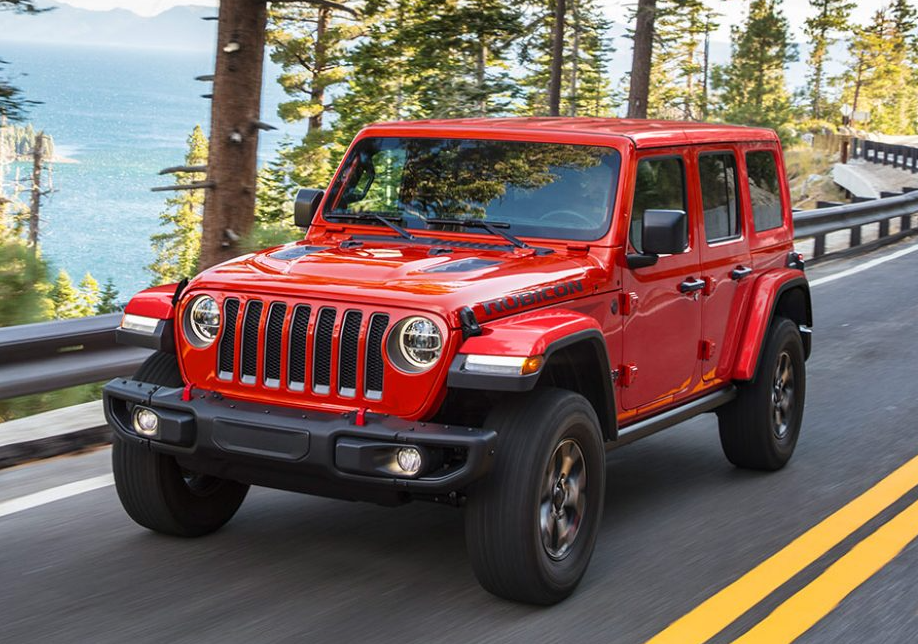
Buying a used Jeep Wrangler means getting an iconic off-road vehicle with legendary capability and strong resale value. These vehicles hold their worth better than most, but that popularity creates unique challenges. At Meadowland of Carmel CDJR, we help buyers navigate these challenges daily, and we know Wranglers often lead adventurous lives that hide wear beneath their rugged exterior.
Understanding what makes these vehicles tick and where problems typically develop helps you spot a solid investment versus a money pit.
Why Evaluating a Used Jeep Wrangler Takes Special Care
Jeep Wranglers attract enthusiasts who push these vehicles to their limits. Previous owners may have taken them rock crawling every weekend or modified the suspension for extreme trails, creating inspection challenges you won’t find with typical sedans or crossovers.
The Wrangler’s body-on-frame construction and removable components mean more entry points for water and dirt. Soft tops, drain holes, and exposed areas make these vehicles prone to rust in ways that unibody designs avoid. The modular nature that makes Wranglers fun to customize also means components might not match or work together properly.
Off-road use puts stress on parts that other vehicles rarely experience. What looks like normal wear might indicate serious frame damage or drivetrain issues underneath. A fresh coat of spray paint can hide rust, and cosmetic repairs might mask structural concerns. That’s why we encourage customers to browse our used Jeep Wrangler inventory, where vehicles undergo thorough inspection before reaching our sales lot.
Service History and Documentation Checklist
Complete service records tell the real story of how someone treated their Wrangler. Look for consistent oil changes at proper intervals (every 5,000 miles for normal driving or 3,000 miles for off-roading). Regular maintenance suggests an owner who valued the vehicle.
Documentation should include major repairs and warranty work. If someone replaced the clutch at 40,000 miles, that raises questions about driving habits. Multiple transmission services before 60,000 miles might indicate towing abuse or mechanical problems. Transfer case and differential service records matter more on Wranglers because these components work harder during four-wheel-drive operation.
Check for recall completion and technical service bulletins addressed by previous dealers. Missing service records aren’t necessarily a deal breaker, but they require more thorough mechanical inspection to compensate for unknown history.
Exterior, Frame, and Underbody Inspection
The body and frame deserve careful attention because cosmetic issues often signal deeper problems. Panel gaps and alignment should look consistent around doors, hood, and fenders. Uneven gaps or mismatched paint might indicate accident damage or poor repair work.
Rust and Corrosion Hot Spots to Check
In the Carmel, NY area, winter salt exposure makes rust inspection critical. Wranglers develop corrosion in predictable locations. Body mounts where the tub connects to the frame trap moisture and salt, creating corrosion that compromises structural integrity. Look for bubbling paint, flaking metal, or soft spots.
Door hinges and lower door corners rust from the inside out. Open each door and inspect the hinge area thoroughly, checking for weakness or excessive play. The tailgate follows similar patterns, especially around the spare tire mount and latch mechanism.
Underneath, focus on the frame rails from front to back. Surface rust shows an orange-brown color but feels solid, while penetrating rust flakes away when scraped. The rear frame section near the gas tank and exhaust often shows damage first because heat and moisture concentrate there.
Frame Integrity and Underbody Condition
Get under the Wrangler with good lighting to assess the frame’s true condition. Look for cracks near welds, especially around suspension mounting points and crossmember connections. Previous off-road impacts can create stress fractures that appear as thin lines in the metal.
Check skid plates and rock sliders for impact damage that transferred force into the frame. Deep dents or bent sections indicate hard hits that might have affected frame straightness. Inspect suspension mounting points for elongated bolt holes or cracked metal around shock towers. These areas take tremendous force during off-road driving, and damage here affects handling and safety.
How to Evaluate Modifications on a Used Jeep Wrangler
Modified Jeeps require extra scrutiny because aftermarket parts affect reliability and safety. Quality modifications installed by professionals can enhance capability, but amateur work often creates problems. Understanding what to look for helps determine whether modifications add value or signal trouble.
Lift kits change suspension geometry and stress components. Check for adjustable control arms that correct angles properly, and upgraded track bars that maintain safe steering geometry. Cheap spacer lifts without proper correction parts cause accelerated wear on ball joints, tie rods, and unit bearings.
Larger tires need corresponding gear ratio changes to maintain proper engine performance. If someone installed 35-inch tires but kept stock 3.21 gears, the drivetrain struggles. Ask about regearing and speedometer recalibration.
Examine how modifications were installed. Quality shops use proper hardware, maintain adequate thread engagement, and protect exposed wiring. Home installations often show zip ties holding wires, exposed connections, and shortcuts that create safety hazards.
Mechanical and Drivetrain Inspection Checklist
The powertrain and drivetrain components determine whether a used Wrangler delivers reliable transportation or constant repair bills. These systems work harder than in typical vehicles, especially with regular off-road use or towing. Check critical components before purchase to prevent expensive surprises.
Engine, Fluids, and Cooling System
Start with a cold engine to check for fluid leaks and starting behavior. Oil leaks around the valve cover, oil pan, and rear main seal are common on higher-mileage engines but shouldn’t be excessive. Small seepage is normal, but active dripping indicates seals needing replacement.
Check oil level and condition. Fresh oil should look amber or light brown, while dark, thick oil suggests neglected maintenance. Metal flakes or a milky appearance signal serious internal damage. Coolant should appear bright without rust particles or oil contamination.
Listen to the engine idle for unusual noises. The 3.6-liter Pentastar engine should sound smooth without ticking, knocking, or rattling. Valve train noise when cold that disappears when warm is generally acceptable, but persistent knocking indicates problems. Rev the engine gently and watch for blue smoke from the exhaust, which signals worn piston rings or valve seals.
Check the cooling system for leaks around the water pump, radiator hoses, and heater core connections. Many Wranglers develop radiator leaks around plastic end tanks, so look carefully for staining or corrosion.
Suspension, Steering, and Tire Condition
Grab each front tire at top and bottom, then try to rock it. Movement indicates worn unit bearings or loose ball joints needing replacement. Repeat the process, i.e., pushing and pulling from the sides to check tie rod ends and steering components.
Bounce each corner and watch how the suspension responds. It should settle quickly without continued bouncing, which would indicate worn shocks. Listen for clunking or squeaking that suggests worn bushings or loose components.
Inspect tires for even wear across the tread. Cupping or scalloping indicates suspension problems or the lack of rotation. Excessive wear on inner or outer edges signals alignment issues. Tire tread depth should measure at least 4/32 inch for safe wet-weather driving.
Examine brake rotors through the wheels for scoring, rust, or discoloration indicating overheating. Test the brake pedal feel with the engine running. It should feel firm without sinking slowly.
Test Drive Cues and Questions to Ask the Seller
The test drive reveals problems that static inspection can’t detect. Plan a route that includes highway speed, stop-and-go traffic, rough pavement, and turns in both directions. Ready to experience one yourself? Schedule a test drive at our Carmel location.
What to Feel and Listen For
Pay attention to how the engine accelerates from a stop. It should pull smoothly without hesitation or unusual vibration. Automatic transmissions should shift crisply through all gears without slipping or harsh engagement. Manual transmissions need smooth clutch engagement and should shift without grinding.
Highway driving shows whether the Wrangler tracks straight or pulls to one side. Vibration at highway speed might indicate unbalanced tires, bent wheels, or driveline issues. The death wobble appears as violent shaking when hitting bumps at speed, signaling serious steering or suspension problems requiring immediate attention.
Wind noise around doors and the soft top increases with speed, which is normal. The transfer case should operate quietly in two-wheel drive and engage smoothly when shifted to four-wheel drive. Grinding or clunking during engagement suggests internal problems.
Test the four-wheel-drive system in a safe area. Shift into four-high and make turns at low speed to confirm the front axle engages properly. Try four-low if possible to verify the low-range gears work correctly.
Key Questions Before You Buy
Ask the seller directly about off-road use and modifications. Understanding how they used the Wrangler helps assess potential hidden damage. Find out whether they performed their own maintenance or used professional shops.
Inquire about any accidents or insurance claims, even minor ones. Frame damage from collisions affects safety and resale value significantly. Ask whether the vehicle was ever underwater or exposed to saltwater, which accelerates corrosion.
Request information about ongoing issues or recent repairs. Ask why they’re selling (the reason might indicate problems they don’t want to admit directly). Confirm the title is clear without liens, and verify the VIN matches the title and registration.
Shop Used Jeep Wranglers at Meadowland of Carmel CDJR
We understand that evaluating used Jeep Wranglers requires expertise and time. At Meadowland of Carmel CDJR, our used and certified pre-owned vehicles undergo thorough inspection before reaching our sales lot. Our factory-trained technicians know exactly what to look for in Wranglers, from frame integrity to modification quality.
Our CPO program provides additional confidence with warranty coverage and verified inspection reports. These vehicles meet strict criteria for condition and maintenance history. As part of the Volz Auto Group, we offer access to quality inventory across multiple locations, giving you more selection when shopping for the right Wrangler.
Our service team at 1952 US-6 in Carmel offers pre-purchase inspections and ongoing maintenance to protect your investment. We understand northern Westchester and Putnam County driving conditions and what they mean for vehicle longevity.
Ready to find your next Wrangler? Browse our inventory or contact us to schedule an evaluation. Call our sales team at 845-704-4245 Monday through Thursday 9 AM to 7 PM, Friday and Saturday 9 AM to 6 PM. For service needs, reach us at 845-842-7355 weekdays 7:30 AM to 5 PM or Saturday 8 AM to 3:30 PM.
Connect with us


- June 2026
- May 2026
- April 2026
- March 2026
- February 2026
- January 2026
- December 2025
- November 2025
- October 2025
- September 2025
- August 2025
- July 2025
- June 2025
- May 2025
- April 2025
- March 2025
- February 2025
- January 2025
- December 2024
- November 2024
- October 2024
- September 2024
- August 2024
- July 2024
- June 2024
- May 2024
- April 2024
- March 2024
- February 2024
- January 2024
- December 2023
- November 2023
- October 2023
- September 2023
- August 2023
- July 2023
- June 2023
- May 2023
- April 2023
- March 2023
- February 2023
- January 2023
- December 2022
- November 2022
- October 2022
- September 2022
- August 2022
- July 2022
- June 2022
- May 2022
- April 2022
- March 2022
- February 2022
- January 2022
- December 2021
- November 2021
- September 2021