




Blog / Used Vehicles

Certified Pre-Owned CDJR Vehicles: Advantages for Carmel Buyers

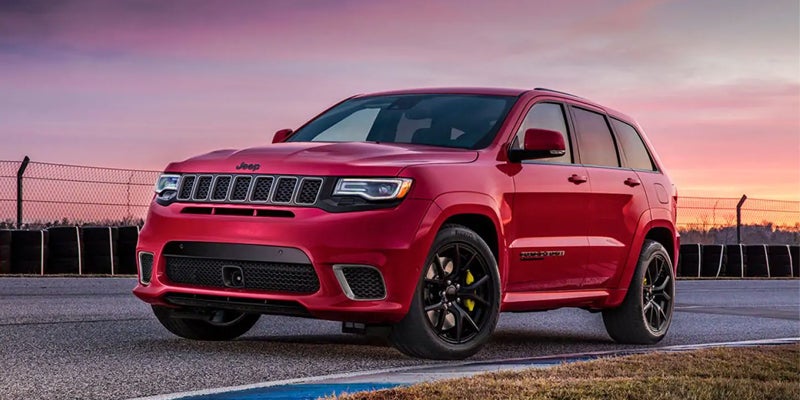
Red Certified Pre-Owned Jeep Grand Cherokee

Buying used doesn't have to mean guessing about a vehicle's condition or hoping a warranty transferred over. Certified Pre-Owned CDJR vehicles remove that uncertainty by putting Mopar's own inspection standards, warranty coverage, and history verification behind every car on the lot. For drivers across Carmel, NY, that combination of value and manufacturer-backed protection has made CPO shopping the practical middle ground between new and standard used.

Why Certified Pre-Owned CDJR Vehicles Are the Smart Choice for Carmel Drivers

New vehicles lose a significant chunk of their value in the first few years of ownership. Certified pre-owned vehicles let buyers step around that steep depreciation curve while still getting a factory certification process, a documented history, and a warranty that a private-party used car simply can't offer. That's especially useful for Carmel families cross-shopping trim levels, or small business and fleet buyers who need dependable trucks and SUVs without paying new-vehicle prices for every unit.

Because these vehicles go through Chrysler, Dodge, Jeep, or Ram's certification process, buyers get factory-backed assurance instead of a generic dealer once-over. If you're ready to see what's currently available, you can browse our certified pre-owned inventory and compare models side by side before setting foot on the lot.
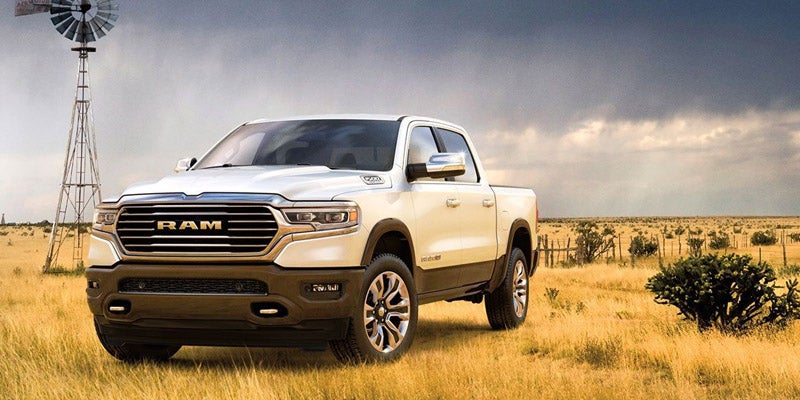
White Certified Pre-Owned Ram 1500

What Earns a Vehicle Certified Pre-Owned Status

Chrysler, Dodge, Jeep, and Ram set firm eligibility rules before a vehicle can even enter the inspection line. That keeps the pool limited to cars, trucks, and SUVs genuinely in strong shape to begin with, so plenty of used vehicles never even get a shot at CPO status.

Age, Mileage, and Vehicle History Requirements

Under the standard Mopar CPO program, a vehicle must be five years old or newer and show fewer than 75,000 miles on the odometer. For buyers who want more flexibility, the CPO Go program opens the door to vehicles between six and ten years old, or with 75,001 to 120,000 miles, and includes a 3-Month/3,000-Mile Maximum Care Warranty, though it does not include the 7-Year/100,000-Mile Powertrain Limited Warranty offered under the standard CPO program.

Every eligible vehicle must also carry a clean title, show no frame damage, have no aftermarket parts affecting safety or emissions, and have all outstanding safety recalls completed before certification can even be considered.

CARFAX Report and Clean Title Verification

Every CPO vehicle includes a CARFAX® Vehicle History Report™ as a manufacturer program feature, not something added on at the dealership. That report documents prior ownership, accident history, and title status. On top of that, the CARFAX Buyback Guarantee protects buyers against DMV-reported issues like salvage titles, fire or flood damage, odometer rollback, or lemon status. That protection lasts one year and is transferable if you sell the vehicle to someone else during that window.
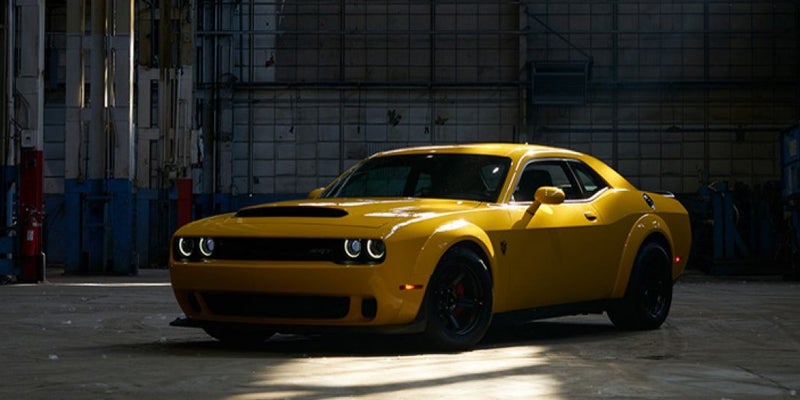
Yellow Certified Pre-Owned Dodge Challenger

Inside the Rigorous 125-Point Inspection

Our own listings confirm that standard used inventory receives a standard safety inspection, while every CPO vehicle must pass the full 125-point certification process required by Mopar. Failing even one of those 125 checkpoints disqualifies the vehicle from certification entirely, no exceptions.

Mechanical, Powertrain, and Safety Evaluations

Technicians evaluate the powertrain, steering, braking system, electronics, fluids, wheels, undercarriage, and engine as part of the mechanical review. This isn't a quick glance under the hood; it's a structured checklist that has to be satisfied point by point before a vehicle earns its certification badge.

Interior, Exterior, and Cosmetic Reconditioning

Once the mechanical side clears, attention shifts to how the vehicle looks and feels. Upholstery and paint get reconditioned using genuine Mopar® parts, so repairs match factory specifications instead of relying on generic aftermarket substitutes. The goal is a vehicle that drives right and looks the part too.

Factory-Backed Warranty Protection You Can Rely On

Certified pre-owned vehicles come with warranty coverage that's more generous than most buyers expect from a used vehicle.

7-Year/100,000-Mile Powertrain Limited Warranty

The Mopar 7-Year/100,000-Mile Powertrain Limited Warranty covers the engine, transmission, and driveline. That clock starts on the original new-vehicle sale date, not the date you purchase the CPO vehicle, so you'll want to check how much of that window remains on a given vehicle.

3-Month/3,000-Mile Comprehensive Coverage

Beyond the powertrain, the 3-Month/3,000-Mile Maximum Care Warranty covers more than 5,000 individual components. This coverage begins on the CPO sale date or when the 3-year/36,000-mile Basic Warranty expires, whichever applies to that particular vehicle. It's a short window, but it covers a lot of ground, and it's the kind of protection standard used vehicles rarely include at all.
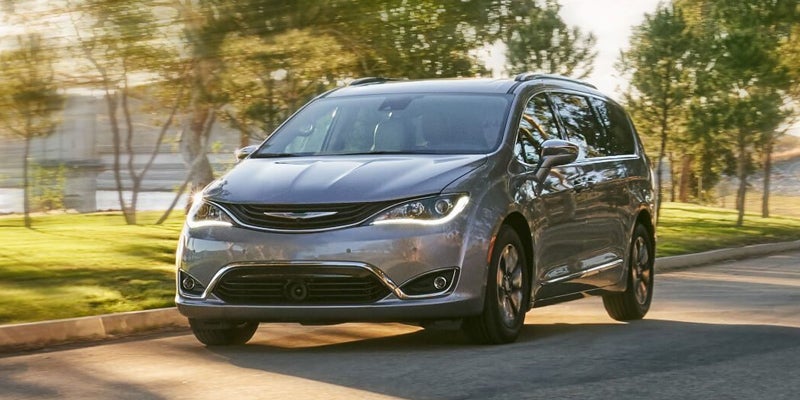
Gray Certified Pre-Owned Chrysler Pacifica

Peace of Mind Perks Built for Putnam County Winters and Commutes

Putnam County sees an average of 42 inches of snow a year, well above the U.S. average of 28 inches, with winter highs hovering around 40°F and lows dropping into the teens or single digits. Neighboring Westchester County averages 31 inches annually.

For anyone commuting from Carmel, NY toward Midtown Manhattan, roughly an hour's drive south, or navigating Brewster, Mahopac, Poughkeepsie, and Danbury, CT on a regular basis, that kind of weather makes built-in vehicle protection more than a nice-to-have.

24/7 Roadside Assistance and Towing Coverage

CPO vehicles include 24/7 Roadside Assistance covering towing, flat-tire service, gas delivery, jump-starts, and lockout help. The Sign-And-Go reimbursement covers up to $100 per occurrence, so a breakdown on a snowy commute through the Hudson Valley doesn't turn into an out-of-pocket scramble.

Rental Car Allowance and SiriusXM Trial

If a covered warranty repair requires an overnight stay in the shop, the rental car allowance provides up to $35 per day, capped at $175 per occurrence. Trip Interruption Protection adds up to $1,000 for meals, lodging, and transportation if a covered breakdown happens 100 or more miles from home. Equipped vehicles also come with a three-month SiriusXM® trial, giving you access to more than 140 channels while you settle into the new ride.

Certified Pre-Owned vs. Standard Used Vehicles: What You're Really Paying For

Dealer-certified and Certified Pre-Owned sound similar but mean very different things, and that mix-up trips up a lot of shoppers. A dealership can label a used vehicle "certified" after its own internal inspection, but that's a marketing term, not a manufacturer-backed program. Certified Pre-Owned status means Chrysler, Dodge, Jeep, or Ram itself is standing behind the vehicle's inspection, warranty, and history verification, not just the selling dealership.

Kelley Blue Book and Edmunds both frame CPO vehicles as a step above standard used cars, citing inspection processes across the industry that typically run somewhere between 100 and 200 points, along with manufacturer-backed warranties that most standard used vehicles simply don't include.


Category Standard Used Vehicle Certified Pre-Owned CDJR Vehicle
Inspection Standard safety inspection Full 125-point certification process
Warranty Typically none or very limited 7-Year/100,000-Mile Powertrain Limited Warranty plus 3-Month/3,000-Mile Maximum Care Warranty
Vehicle History May or may not include a report CARFAX® Vehicle History Report™ included
Roadside Assistance Not included 24/7 Roadside Assistance with towing and Sign-And-Go reimbursement


Weigh certified pre-owned CDJR vehicles against a bare-bones used vehicle, and the difference shows up right there in the table. That extra assurance buys documented verification and ongoing protection, on top of a newer-looking car.

Flexible Financing for Certified Pre-Owned Cars in Carmel, NY

Financing a certified pre-owned vehicle in Carmel, NY doesn't have to be complicated. We work with local banks, national lenders, and Chrysler Capital to offer competitive rates and terms across a range of credit situations, with transparent, no-hidden-fee terms from start to finish. Buyers throughout Westchester County and Putnam County can use our online finance tools to get pre-approved before ever visiting the lot, which speeds up the process considerably once you've found the right vehicle. If you'd rather talk through your options directly, our team is available at 845-704-4245 during sales hours.

Start Your Certified Pre-Owned Search Today

Shopping certified pre-owned cars in Carmel, NY puts more information in your hands, not less. Between the 125-point inspection, the CARFAX® Vehicle History Report™, and the warranty coverage backing every qualifying vehicle, there's a lot working in your favor before you even schedule a test drive.

Browse Our Certified Pre-Owned Inventory

Browse our certified pre-owned inventory to compare available Chrysler, Dodge, Jeep, and Ram models, or explore our used vehicle inventory if you want to weigh CPO options against standard used vehicles side by side.

Calculate Your Trade-In Value Online

If you're trading in a current vehicle, our online trade-in tool gives you a value estimate before you ever negotiate. It's a straightforward way to know what you're working with, whether you're coming from Carmel, Brewster, Mahopac, or anywhere else in the Hudson Valley.

When you're ready to talk specifics, reach our sales team at 845-704-4245 and we'll help you find the right certified pre-owned match.

Posted in:

Related Posts

Used Jeep Models

What Is Good Mileage for a Used Car?

Buying a used car can be challenging since there are various factors to consider, including mileage. In this guide, our expert team at Meadowland of Carmel Chrysler Dodge Jeep Ram (CDJR) will provide you with everything you need to know about how to determine good mileage on a used car. This will help you find the best and most affordable vehicle for your lifestyle. more What Does Mileage Tell You About a Used Car? The mileage on your vehicle reflects its history. Cars typically accumulate between 13,000 and 15,000 miles per year, and the condition of vehicles can vary despite their age. With regular maintenance, modern cars can reach 150,000 to 200,000 miles, so it's important to adhere to your service schedule in terms of oil changes and brake pad inspections, as well as timing belt and transmission fluid replacements. What's Considered Good Mileage for a Used Car? To determine good mileage for a used car, multiply the car's age by 12,000 miles, which will give you the average distance most drivers travel in a year. A vehicle with annual mileage of around 13,000 to 15,000 typically raises no red flags, and a 5-year-old car should ideally have between 60,000 and 75,000 miles on it. Although a car with lower mileage can be a bargain, it may indicate that it was left unused for too long, which can present its own issues. If the mileage is significantly higher, you should investigate its history more thoroughly. Family sedans typically offer their best value before reaching 100,000 miles, while trucks and SUVs often surpass 150,000 miles without issues. The harsh winters and winding rural roads in Carmel, New York, also make a difference. Highway driving treats cars much better than stop-and-go city conditions, meaning a 90,000-mile highway commuter may be in far better shape than a 60,000-mile car that never left town. The constant acceleration and braking during urban driving cause more rapid component wear than steady highway cruising. The salt on winter roads can also damage your vehicle's undercarriage over time. Factors Influencing Good Mileage Stop-and-go traffic puts more stress on a car's brakes and suspension than highway cruising. Additionally, short trips to the grocery store often prevent a car's engine from reaching its optimal temperature, leading to sludge buildup. This is more harmful than the wear from high-mileage highway driving. Road salt serves as a protective measure on snowy winter roads, but it also accelerates the deterioration of metal components, while freeze-thaw cycles cause the rapid cracking of rubber materials. Ultimately, maintenance records may be more informative than odometer readings. High vs. Low Mileage Although high-mileage cars can save you money initially, they may cost more down the line. Most consider over 150,000 miles as high territory, while traditional experts still believe 100,000 is the upper limit for a worthwhile purchase, regardless of reliability or price. Similarly, extremely low mileage isn't always ideal. Cars that accumulate less than 5,000 miles per year can experience issues due to lack of use — seals can dry out, belts can crack, and fluids can deteriorate. Your best option is a moderately used vehicle with comprehensive service records. Mileage Considerations With proper maintenance, many vehicles can reach between 200,000 and 300,000 miles. Well-maintained higher-mileage cars often last longer than neglected low-mileage ones. Vehicle history reports and maintenance records are essential. You should also carefully check a car's compression, fluids, and test-drive performance, which are more accurate indicators than mileage alone. If you're apprehensive about purchasing a used car, certified preowned (CPO) programs offer additional reassurance. CPO vehicles include bumper-to-bumper coverage and powertrain protection that lasts seven years or 100,000 miles. Benefits include roadside assistance, inspection documents, history reports, and transferable warranties. Some add free oil changes and concierge services. Find Your Perfect Used Car in Carmel, New York Familiarizing yourself with mileage enquiries allows you to shop with confidence, but don't lose sight of the bigger picture. With proper care, modern vehicles can easily exceed traditional mileage expectations without any issues. If you're in Carmel, New York, visit Meadowland of Carmel CDJR to experience our extensive inventory of used cars firsthand. Our friendly team will walk you through the various features of your chosen options, help you explore your financing options, and answer any questions you may have. Contact us today to schedule a test-drive to help you find the perfect used vehicle for your lifestyle. Images from jeep.com, ramtrucks.com, dodge.com

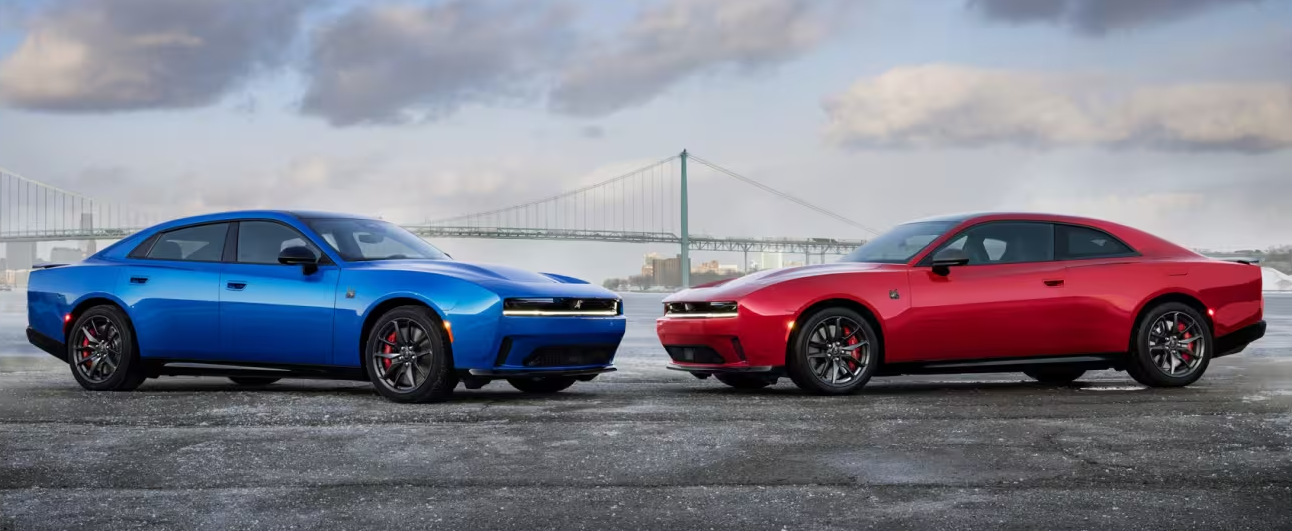
Red and Blue 2026 Dodge Chargers

2026 Dodge Charger R/T vs. Scat Pack: Straight-Line Performance Breakdown

The 2026 Dodge Charger forces a real decision. Both trims look the part, wear the badge proudly, and share the same bold body. But once you start comparing the numbers, the differences become clear fast. This debate comes down to how much performance you actually want and how much you're willing to spend to get it. If you're ready to start shopping, browse our new Dodge Charger inventory to see what's currently available at Meadowland of Carmel CDJR. more R/T vs. Scat Pack: What the Performance Gap Really Means The gap between these two trims isn't just about bragging rights at a stoplight. It reflects a fundamental difference in engine calibration, power output, and who each vehicle is actually built for. Dodge engineered the R/T for drivers who want serious muscle car energy without giving up everyday practicality. The Scat Pack, on the other hand, is a performance machine first and a daily driver second. Both trims share the same platform and the same aggressive exterior presence. Under the hood, though, is where things diverge sharply. Knowing that gap before you buy makes all the difference between choosing the right vehicle and wishing you'd gone a step up, or a step down. Engine Specs and Straight-Line Numbers Side by Side When you put the R/T and Scat Pack specs next to each other, the story is easy to read. Horsepower, torque, and acceleration times tell you exactly what kind of driving experience you're signing up for. Neither trim is slow by any stretch, but one is noticeably quicker. The table below lays out the key figures based on manufacturer estimates and early testing data. Spec Charger R/T (SIXPACK S.O.) Charger Scat Pack (SIXPACK H.O.) Engine 3.0L Twin-Turbo Hurricane Standard Output 3.0L Twin-Turbo Hurricane High Output Horsepower 420 hp 550 hp Torque 468 lb-ft 531 lb-ft 0–60 mph 4.6 seconds 3.9 seconds Quarter-Mile 12.9 seconds 12.2 seconds Key Performance Features AWD + RWD mode, dual exhaust, performance hood AWD + RWD mode, Brembo brakes, Launch Control, Line Lock 2026 Charger R/T: 420 HP, 468 lb-ft, and a 4.6-Second 0–60 The 2026 Charger R/T delivers 420 horsepower and 468 lb-ft of torque from Dodge's 3.0L Twin-Turbo Hurricane Standard Output engine. Based on manufacturer estimates, it hits 0–60 mph in 4.6 seconds and covers the quarter-mile in 12.9 seconds, with a top speed of 168 mph. Those are legitimate performance numbers. For most drivers, they're more than enough to feel the rush muscle cars are known for on roads like Route 6 or the Taconic Parkway. The R/T is the entry point to the performance side of the Charger lineup, but it doesn't feel like a compromise. Power delivery is linear and confidence-inspiring, and 468 lb-ft of torque means there's always something in reserve. Drivers who want to go further can add the Performance Handling Group, which unlocks Launch Control, Line Lock, and Brembo six-piston front brakes. For drivers who want real-world performance without the intensity of a track-focused setup, the R/T spec sheet holds up very well. 2026 Charger Scat Pack: 550 HP, 531 lb-ft, and a 3.9-Second 0–60 The Scat Pack changes the conversation entirely. Powered by Dodge's 3.0L Twin-Turbo Hurricane High Output engine producing 550 horsepower and 531 lb-ft of torque at up to 30 psi of boost, it reaches 0–60 mph in 3.9 seconds and runs the quarter-mile in 12.2 seconds, based on early testing data. Top speed is rated at 177 mph. That 0.7-second gap over the R/T might not sound dramatic in isolation, but at speed, it represents a completely different driving sensation. At 550 horsepower, the Scat Pack sits deep into supercar-adjacent territory for a production muscle car at this price point. The extra torque over the R/T's 468 lb-ft means the car feels both planted and explosive. If you want maximum capability from the 2026 Charger lineup, the numbers absolutely back up the reputation. The 2026 Dodge Charger R/T and R/T Plus: Features, Feel, and Who It's For The R/T is designed to deliver a complete package. Standard equipment includes a performance hood, dual exhaust tips, a 10.25-inch digital gauge cluster, a 12.3-inch Uconnect touchscreen, and AWD with a RWD toggle. The available Performance Handling Group adds Launch Control, Line Lock, and Brembo six-piston front brakes for drivers who want track-ready hardware without stepping up to the Scat Pack. It brings serious performance hardware alongside a well-equipped interior that doesn't feel spartan. The R/T Plus builds on that foundation with a 16-inch digital gauge cluster, leather performance seats with heating and ventilation, a head-up display, 64-color ambient lighting, wireless charging, navigation, and an available 18-speaker Alpine audio system. An optional full glass roof rounds things out. If you spend a lot of time behind the wheel and genuinely value that environment, the Plus trim is worth the step up. The base R/T makes more sense for drivers primarily chasing the performance feel who won't consistently use the additional comfort upgrades. Both versions share the same SIXPACK S.O. powertrain, so driving dynamics stay consistent across the two. Ready to experience it for yourself? Schedule a test drive at Meadowland of Carmel CDJR and feel how the R/T delivers in real-world conditions around Carmel and the Hudson Valley. The 2026 Dodge Charger Scat Pack and Scat Pack Plus: Features, Feel, and Who It's For The Scat Pack comes standard with performance-focused additions that go well beyond the R/T's setup. Brembo six-piston brakes, Launch Control, Line Lock, a dual-mode active exhaust, performance suspension, and 20-inch wheels give it a sharper, more focused character. AWD is standard, with RWD mode available. The cabin still works well as a daily environment, but everything about this car communicates it was built to be driven hard. The Scat Pack Plus pairs that performance hardware with luxury-tier features: a 16-inch digital gauge cluster, head-up display, surround-view camera, heated and ventilated front seats, heated rear seats, a wireless charging pad, navigation, 64-color ambient lighting, an 18-speaker Alpine audio system, premium leather, and an optional full glass roof. Carbon-fiber accents are available as well. For buyers who want the full 550-horsepower experience wrapped in a more sophisticated interior, the Scat Pack Plus closes what used to be a clear trade-off between performance and comfort in the muscle car segment. AWD Standard, RWD Mode Available: How Each Trim Puts Power to the Road One of the most significant changes in the 2026 Charger lineup is standard AWD on both the R/T and the Scat Pack. For buyers in the Northeast dealing with winter conditions on I-87 or local Putnam County roads, that's a genuine selling point, not just a spec sheet bullet. It also helps both trims put their torque down more efficiently during hard acceleration. The option to switch into RWD mode preserves the traditional muscle car experience for drivers who want it. Steering feel sharpens, the balance shifts rearward, and the car takes on the rear-driven character enthusiasts expect. This flexibility makes both trims more versatile than earlier generations. Capable on a snowy commute and feeling like a classic muscle machine on a clear weekend run. For the Scat Pack specifically, having AWD as a base means all 550 horsepower can be deployed more effectively from a standing start, which contributes directly to that 3.9-second 0–60 estimate. Power without traction is just noise, and Dodge clearly understood that when configuring these trims. R/T or Scat Pack: Matching the Trim to Your Driving Style and Budget The decision ultimately comes down to two questions: how much performance do you genuinely need, and what budget are you working with? Here's a straightforward way to think about it. Choose the R/T if: Your driving is primarily daily commutes, highway cruising, and occasional spirited weekend runs You want a legitimate 4.6-second 0–60 without paying for track-day hardware you may not use The R/T Plus comfort upgrades appeal to you and fit your budget You value AWD all-season confidence without the intensity of a high-output setup Choose the Scat Pack if: You want the absolute most from the 2026 Charger lineup You visit a track regularly or prioritize maximum straight-line capability That 130-horsepower and 63 lb-ft torque advantage over the R/T matters to how you drive You want Brembo brakes, Launch Control, and Line Lock as standard equipment Budget matters here, too. The R/T enters the lineup at a more accessible price point, and most buyers won't feel underserved given how well it's equipped. The Scat Pack's price reflects its performance credentials, and for buyers who can stretch the budget, the return is real. If the price gap between trims is part of your decision, it's worth taking a moment to explore financing options with our team to find a structure that works for your situation. Explore the 2026 Dodge Charger Lineup at Meadowland of Carmel CDJR Reading about the R/T vs. Scat Pack is one thing. Sitting in the driver's seat and feeling the difference is another matter entirely. At Meadowland of Carmel CDJR, we carry both trims and can walk you through every configuration detail in person. We serve drivers across Carmel, Brewster, Poughkeepsie, and Danbury, CT, and we're located right on Route 6 in Carmel, NY. Beyond the Charger, you can explore the full range of new Dodge vehicles at Meadowland of Carmel CDJR if you want to see everything the brand currently offers. Our factory-trained service team is also on staff for long-term support after you drive off the lot. Ready to Take the Next Step? Whether the R/T's balance or the Scat Pack's raw output speaks to you, the right 2026 Dodge Charger is ready and waiting. Contact us online or stop by to start the conversation. We're here to help you find the trim that fits your driving style and your budget.

Ram eTorque Maintenance

Ram 1500 eTorque Maintenance: Battery & Hybrid System Service Tips

Your Ram 1500's eTorque system is a clever mix of old-school truck muscle and modern efficiency tech. This mild hybrid setup works quietly in the background, giving you smoother acceleration and better fuel economy through a built-in electric motor-generator. Knowing how your eTorque system operates can prevent surprise breakdowns and expensive repairs down the road. At Meadowland of Carmel CDJR, we help Putnam County truck owners protect their investment with specialized service for these advanced systems. Schedule your eTorque service to keep your hybrid system running reliably for years ahead. Whether you're hauling equipment through Putnam County or commuting along Route 6, your hybrid system faces specific challenges that impact its long-term reliability. more Understanding Your Ram 1500 eTorque System The eTorque system operates differently than most people expect from a hybrid. Instead of running as a separate power source, the belt-driven motor-generator unit helps your gasoline engine during acceleration and grabs energy when you're slowing down. This 48-volt system takes the place of your regular alternator, pulling double duty as both starter motor and power generator. Press the accelerator and the electric motor delivers instant torque assistance, bridging the gap before your engine hits its power sweet spot. The system also lets your Ram shut off the engine at red lights without that annoying shudder you'd get from a typical start-stop system. The eTorque battery pack stores captured energy for later use, positioned behind your rear seat. This spot protects it from engine heat while keeping weight distribution balanced. Everything integrates with your truck's computer network, constantly watching performance and adjusting operation based on how you're driving. eTorque Battery Care and Longevity Your eTorque battery is quite different from both regular car batteries and full hybrid battery packs. This lithium-ion Nickel Manganese Cobalt (NMC)-Graphite unit runs at higher voltage and needs different care than the 12-volt battery under your hood. The eTorque battery is covered under Ram's Federal Emissions Warranty for 8 years or 80,000 miles, whichever comes first. Actual battery longevity beyond the warranty period will vary depending on driving patterns, climate, and maintenance history. Temperature plays a huge role in battery health. Cold weather temporarily cuts capacity, while ongoing heat speeds up chemical breakdown inside the cells. Your battery's spot behind the rear seat offers some protection, but it's not immune to the seasonal temperature swings we get here in New York. Using your truck regularly actually helps your eTorque battery more than letting it sit idle. The system needs steady charge-discharge cycles to keep cell balance in check. Short trips aren't as much of a concern as they are for regular batteries, since regenerative braking constantly tops off the charge. What Affects Your eTorque Battery Health Charging patterns have a big impact on your battery's lifespan. Highway driving provides steady charging from engine operation, while frequent stops create regenerative braking opportunities. Both scenarios help battery health when they're balanced right. Your electrical system's overall condition matters more than you'd think. Corroded connections or failing components can force the eTorque system to work harder, putting unnecessary stress on the battery. Clean terminals and tight connections ensure efficient power flow, reducing strain on the whole hybrid system. Software updates directly affect battery management strategies. Ram releases updates periodically that fine-tune charging algorithms and improve battery protection protocols. Missing these updates means your system runs with outdated logic that might not give your battery pack the best protection. Towing and hauling put extra demands on your eTorque system. The electric motor helps with initial acceleration, but heavy loads need more frequent cycling. This increased workload won't damage the system when it's properly maintained, but it does highlight why staying current with your service schedule matters. Signs Your Battery May Need Attention Dropping fuel economy often serves as an early warning of battery trouble. When your eTorque battery can't hold a proper charge, the system gives less electric assist, making your engine work harder. You might see this as a gradual drop in your usual MPG numbers, especially during city driving where the electric motor should help most. Sluggish acceleration tells a similar story. The eTorque system should give instant torque response when you hit the accelerator. Hesitation or reduced power during initial acceleration might mean your battery lacks the capacity to provide full electric assist. Dashboard warnings give the most obvious sign that something needs attention. Your instrument cluster will show specific eTorque-related messages when the system spots battery issues. Don't ignore these warnings since they point to problems that could get worse without intervention. Changes in how your start-stop system behaves can reveal battery health problems. If your engine restarts more roughly or the start-stop function kicks in less often, your battery may struggle to deliver the smooth operation Ram built into the system. Recommended Service Intervals for eTorque Systems Ram maintenance for eTorque models follows specific intervals that differ slightly from conventional powertrains. Your first major inspection should happen at 25,000 miles, when technicians check battery health, electrical connections, and system operation. This early checkup creates baseline performance data for comparison during future service visits. Regular intervals at 50,000 and 75,000 miles include thorough eTorque system evaluations. Technicians run diagnostic tests to check battery capacity, look for software updates, and inspect the motor-generator unit for proper function. These inspections catch developing issues before they cause breakdowns or hurt performance. Annual inspections make sense no matter what your mileage looks like, especially if you drive less than 12,000 miles yearly. Sitting idle creates its own challenges for hybrid systems, and yearly checkups make sure everything stays in proper working order despite limited use. Our service center can help you set up a maintenance schedule that fits your specific driving patterns. Don't forget your 12-volt battery during service appointments. While attention focuses on the eTorque system, your traditional battery still powers critical vehicle functions. A failing 12-volt battery can trigger error codes and system malfunctions that look like eTorque problems. Warning Signs Your eTorque System Needs Service Dashboard Indicators and Error Codes Your instrument cluster shows specific warnings when it spots eTorque system problems. A battery symbol with text indicates issues with the hybrid battery pack itself. This warning might show up alongside reduced power messages, depending on how serious the detected problem is. Check engine lights can come on for eTorque-related issues, though they also appear for countless other reasons. Professional diagnostics tell the difference between minor sensor glitches and serious system problems. Ignoring check engine lights risks turning minor issues into major repairs. Service hybrid system messages need immediate attention. This warning means your vehicle detected problems serious enough to limit system operation or enter a protective mode. Continuing to drive with this warning displayed may cause additional damage or leave you stranded if the system shuts down completely. Performance Symptoms to Monitor Power delivery should feel seamless throughout your acceleration range. If you notice distinct transitions where electric assist cuts in or out, or if acceleration feels choppy during normal driving, your system needs evaluation. Properly functioning eTorque systems provide smooth transitions between electric and engine power. Unusual sounds from your engine compartment need immediate attention. The eTorque motor-generator should run silently during normal conditions. Grinding, whining, or clicking noises suggest mechanical problems with the unit itself or its belt drive system. Start-stop operation quality reveals system health. Your engine should restart smoothly and quietly when you release the brake pedal. Rough restarts, extended cranking time, or complete failure of the start-stop function all point to potential problems requiring professional diagnosis. How Carmel and Putnam County Driving Affects Your eTorque Local driving conditions create unique demands on your eTorque maintenance needs. The hills and elevation changes throughout Putnam County give your regenerative braking system plenty of chances to recover energy. Going downhill lets the system act as an engine brake while recharging the battery. Winter weather creates specific challenges for hybrid technology. Cold temperatures reduce battery efficiency temporarily, though your system includes heating elements to maintain optimal operating conditions. Ice and snow on local roads mean more salt exposure, making regular undercarriage cleaning essential for protecting electrical connections and battery pack mounting hardware. Stop-and-go traffic through Carmel and along Route 6 favors eTorque operation. The frequent acceleration and deceleration cycles maximize electric assist and regenerative braking benefits. However, this traffic pattern also means more start-stop cycles, placing greater demands on the motor-generator unit compared to mainly highway driving. Seasonal temperature extremes affect reliability expectations. Summer heat penetrating through your rear seat area can stress the battery pack, while winter cold reduces available capacity. Parking in a garage when possible moderates these temperature swings, extending battery life and maintaining consistent performance year-round. DIY vs. Professional eTorque Maintenance Basic maintenance tasks stay within reach of most truck owners. Keeping your battery terminals clean, checking electrical connections for corrosion, and monitoring fluid levels need no special equipment. These simple checks catch developing problems before they turn into expensive repairs. eTorque system diagnostics require specialized equipment most home mechanics don't have. Checking battery cell balance, running voltage tests, and accessing hybrid system control modules need professional scan tools. Attempting complex diagnostics without proper equipment risks misdiagnosis and unnecessary parts replacement. Software updates must be done by qualified technicians with access to Ram's latest programming. These updates often include critical safety improvements and performance optimizations. Skipping updates because you prefer DIY maintenance puts your vehicle behind on important improvements. Electrical system repairs on hybrid vehicles carry additional safety considerations. The 48-volt eTorque system operates at voltages that can cause serious injury without proper precautions. High-voltage service work should always be left to trained professionals who understand the necessary safety protocols. Protect Your eTorque Investment at Meadowland of Carmel CDJR Why Choose Factory-Trained Service Professional service at Meadowland of Carmel CDJR ensures your eTorque system gets proper care from technicians equipped with specialized diagnostic tools these systems require. Our factory-trained technicians understand the unique requirements of Ram's hybrid technology and have access to the latest software updates and genuine Mopar parts. Regular service appointments create documentation that proves valuable during warranty claims or when selling your truck. Documented maintenance shows responsible ownership and can significantly impact resale value. Schedule Your Service Today We make maintaining your truck convenient with service hours Monday through Friday from 7:30 AM to 5 PM and Saturdays from 8 AM to 3:30 PM. Call our service department at 845-842-7355 or schedule your eTorque service appointment online. Your Ram represents a significant investment that deserves expert care from technicians who specialize in these advanced systems. Visit us at 1952 US-6 in Carmel, NY to ensure your eTorque system gets the attention it requires for years of dependable performance.