




Your Chrysler, Dodge, Jeep, or Ram vehicle faces unique challenges when seasons shift in Carmel, NY. Months of road salt attack undercarriage components while freeze-thaw cycles test seals and gaskets. Then summer heat pushes cooling systems to their limits. We see these patterns firsthand at Meadowland of Carmel CDJR, serving drivers throughout northern Westchester and Putnam counties who navigate these exact conditions daily.
Seasonal transitions are critical maintenance windows that determine whether your CDJR vehicle handles the next season confidently or leaves you stranded. Spring care addresses winter damage before minor issues escalate. Fall preparation ensures survival through another harsh northeast winter.
Let’s walk through what your CDJR vehicle needs when temperatures shift, separating quick checks you can handle from tasks requiring professional attention.
Why Seasonal Maintenance Matters for Your CDJR Vehicle
Your Ram truck doesn’t maintain itself between oil changes. Neither does your Jeep Wrangler or Dodge Durango. Seasonal maintenance catches problems before they strand you on Route 6 during a snowstorm or leave you overheating on I-684 in July.
Weather changes stress different vehicle systems. Winter cold drains batteries and thickens fluids while salt corrodes metal. Summer heat stresses cooling systems and degrades rubber components. Your CDJR vehicle needs different attention in April than October, and timing this maintenance with seasonal transitions prevents expensive repairs.
Regular seasonal checks also protect warranty coverage. Whether you recently purchased from our new vehicle inventory or you’re maintaining a reliable used CDJR, documented seasonal service proves you upheld maintenance responsibilities.
Safety matters most. Brake performance, tire traction, and visibility systems keep you safe when Carmel roads turn icy or summer storms reduce visibility. These aren’t optional items but essential safety systems requiring seasonal attention.
Essential Spring Maintenance After Winter
Winter beats up every vehicle navigating salted roads and sub-freezing temperatures. Spring maintenance is damage control after months of harsh conditions specific to our area.
Recovering from Salt Damage and Winter Wear
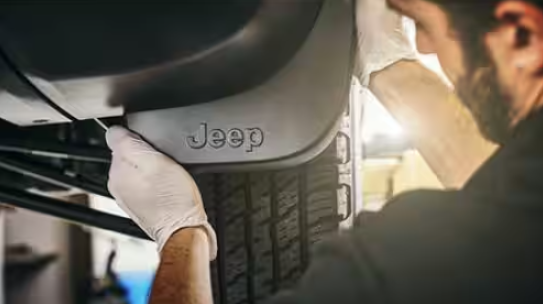
Road salt destroys vehicle components with alarming efficiency. It accelerates corrosion on your CDJR vehicle’s undercarriage, brake lines, exhaust system, and frame. After months of salted roads around Carmel, your vehicle needs thorough attention before rust penetrates deeper.
Professional undercarriage cleaning removes accumulated salt and grime from hard-to-reach areas. Garden hoses can’t match the pressure and coverage professional equipment provides. Our technicians inspect for existing corrosion while cleaning, catching rust spots early when treatment costs less than replacement.
Brake components deserve special attention. Salt attacks brake lines, potentially causing failure when you need stopping power most. Corroded brake hardware affects pad performance and creates safety risks. Suspension components also suffer, with bushings and ball joints deteriorating faster under salty conditions.
Don’t assume visible cleaning handles hidden damage. Salt penetrates seams and crevices where moisture lingers, continuing corrosion long after roads dry. Professional inspection identifies trouble spots before they compromise safety or require expensive repairs.
Cooling System and A/C Preparation
Your CDJR vehicle kept you warm through winter. Now it needs preparation for summer heat that tests cooling capacity differently.
Check coolant levels and condition first. Coolant breaks down over time, losing its ability to transfer heat and protect against corrosion. Brown or rusty coolant signals replacement time. Hoses and belts also need attention since winter temperature swings crack rubber, creating failure risks when heat increases pressure.
Your A/C system sat mostly unused through winter. Testing it early reveals refrigerant leaks or compressor issues before you desperately need cooling in July. Strange smells often indicate mold growth in the evaporator, common in our area’s humid conditions. Professional HVAC service addresses these issues before they affect comfort or require costly repairs.
Radiator and condenser fins also need attention. Road debris and salt accumulation blocks airflow, reducing cooling efficiency and potentially causing overheating during summer driving.
Spring Tire and Visibility Checks
Tires and visibility systems took constant abuse through winter. Spring offers a perfect checkpoint before summer demands peak performance from both.
Start with tire pressure. Temperature swings dramatically affect inflation. Every 10-degree increase adds roughly one PSI. Proper inflation improves fuel economy, extends tire life, and ensures safe handling. Check pressure when tires are cold for accurate readings.
Tread depth matters more than most drivers realize. Shallow tread reduces traction in rain, increasing hydroplaning risks during spring storms common to Westchester and Putnam counties. Use the penny test: insert a penny into tread with Lincoln’s head upside down. If you see his entire head, replacement time has arrived. Uneven wear patterns signal alignment issues requiring professional correction.
Inspect tires for winter damage. Potholes created by freeze-thaw cycles cause sidewall bubbles and internal damage not always visible externally. These weak spots risk sudden failure at highway speeds.
Windshield wipers worked overtime battling winter precipitation. Replace blades showing cracks, tears, or streaking. Spring rain demands clear visibility. Top off washer fluid too as spring pollen and road grime require frequent cleaning.
Check all exterior lights. Moisture entering assemblies during winter affects bulb performance and creates safety hazards. Replace any burned-out bulbs immediately.
Essential Fall Maintenance Before Winter
Fall preparation determines whether your CDJR vehicle handles another Carmel winter confidently or leaves you calling for roadside assistance when temperatures drop. These checks belong on your autumn to-do list before the first frost arrives.
Battery Health and Winter-Ready Fluids
Cold weather kills weak batteries. Starting your engine requires more power when temperatures plummet, and older batteries lack the cranking amps needed for reliable starts. Testing battery health in fall identifies replacement needs before winter stranding occurs.
Have your battery professionally tested. Free testing takes minutes and reveals whether your battery holds sufficient charge for winter demands. Corroded terminals also reduce electrical performance. Batteries typically last three to five years. Replace yours proactively if it’s approaching this age.
Winter-grade fluids protect your CDJR vehicle differently than summer formulations. Motor oil thickens in cold temperatures, making winter-weight oil essential for proper engine lubrication during cold starts. Antifreeze concentration also requires testing. Insufficient antifreeze allows coolant to freeze, potentially cracking your engine block.
Transmission fluid, power steering fluid, and brake fluid also deserve attention. These hydraulic fluids degrade over time, losing protective properties and affecting system performance.
Heating, Defrost, and HVAC Service
Winter survival in Carmel requires functioning heat and defrost systems. Testing these now prevents discovering failures during January’s worst cold snap.
Weak heater output often signals problems with the heater core, thermostat, or coolant circulation. Strange smells when running heat indicate accumulated debris or mold requiring professional cleaning. Poor heating affects both comfort and safety.
Defrost performance prevents dangerous ice buildup on windshields. Test both front and rear defrosters before winter arrives. Weak defrost often results from blocked vents, failed heating elements, or electrical issues. These repairs take minimal time when scheduled proactively but create major problems during winter storms.
HVAC system service ensures all climate control functions work properly, including blend doors that direct airflow, ductwork integrity, and fan operation at all speeds.
Fall Safety Preparations for Winter Driving
Winter driving in northern Westchester and Putnam counties demands peak performance from safety systems. These fall checks ensure your CDJR vehicle handles whatever winter delivers.
Tire Readiness and Winter Options
Your tires provide the only contact between your vehicle and the road. Winter conditions test traction limits, making tire readiness critical.
All-season tires work adequately in mild conditions but compromise performance in severe winter weather. Dedicated winter tires use specialized rubber compounds and tread patterns designed for snow and ice. Consider winter tire installation if you regularly navigate unplowed roads or hilly terrain around Carmel.
For Jeep and Ram owners with AWD or 4WD systems, winter tires maximize traction capabilities. AWD helps you go but doesn’t help you stop. Proper tires do. Matching tire types on all four wheels ensures balanced handling and prevents drivetrain stress.
Check tire age regardless of tread depth. Rubber degrades over time. Tires older than six years require replacement regardless of appearance. The manufacturing date appears on the sidewall as the last four digits indicating week and year of production.
Brake and Exterior Lighting Inspections
Brakes and lights keep you safe when winter conditions deteriorate. These systems require professional inspection before winter arrives.
Brake performance suffers from worn pads, contaminated fluid, and corrosion that winter accelerates. Have your brakes professionally inspected, including pad thickness, rotor condition, brake line integrity, and fluid quality. Thin pads need replacement before winter when stopping power matters most. Spongy brake pedals signal air in lines or worn components requiring immediate attention.
Winter’s reduced daylight makes exterior lighting crucial. Check headlights, taillights, brake lights, turn signals, and side markers. Replace any burned-out bulbs immediately. Dim headlights might need restoration or replacement as yellowed lenses scatter light poorly, reducing nighttime visibility.
Keep emergency equipment in your vehicle before winter: ice scraper, jumper cables, flashlight, and basic tools. These items help you handle minor issues safely.
Your Seasonal CDJR Maintenance Checklist
Use these checklists as quick references when preparing your CDJR vehicle for seasonal transitions. While you can check some items yourself, professional service ensures thorough inspection and proper repairs.
Spring Maintenance Checklist:
- Professional undercarriage wash and corrosion inspection
- Coolant level and condition check
- A/C system performance test
- Tire pressure adjustment and tread depth measurement
- Windshield wiper replacement if needed
- Washer fluid refill
- All exterior light function checks
- Battery terminal cleaning
- Brake component inspection for salt damage
Fall Maintenance Checklist:
- Battery load test and terminal cleaning
- Winter-weight oil change
- Antifreeze concentration test
- Transmission and brake fluid condition check
- Heater and defrost system performance test
- HVAC system service
- Tire tread depth and condition assessment
- Winter tire installation consideration
- Brake system comprehensive inspection
- All exterior lighting function verification
- Emergency equipment stocking
Schedule Your Seasonal Service at Meadowland of Carmel CDJR
Your CDJR vehicle deserves expert attention from technicians who understand local driving conditions and brand-specific requirements. Our factory-trained service team combines Volz Auto Group’s multi-dealership expertise with deep knowledge of challenges Carmel vehicles face seasonally. We use genuine Mopar parts designed specifically for your vehicle, ensuring proper fit and performance.
Contact us online or call our service department at 845-842-7355 to schedule your seasonal service. We’re open Monday through Friday from 7:30 AM to 5 PM and Saturdays from 8 AM to 3:30 PM at 1952 US-6 in Carmel.
By staying on top of spring and fall maintenance, you can enjoy safer drives, improved efficiency, and peace of mind knowing your vehicle is ready for whatever the road brings.
Connect with us


- July 2026
- June 2026
- May 2026
- April 2026
- March 2026
- February 2026
- January 2026
- December 2025
- November 2025
- October 2025
- September 2025
- August 2025
- July 2025
- June 2025
- May 2025
- April 2025
- March 2025
- February 2025
- January 2025
- December 2024
- November 2024
- October 2024
- September 2024
- August 2024
- July 2024
- June 2024
- May 2024
- April 2024
- March 2024
- February 2024
- January 2024
- December 2023
- November 2023
- October 2023
- September 2023
- August 2023
- July 2023
- June 2023
- May 2023
- April 2023
- March 2023
- February 2023
- January 2023
- December 2022
- November 2022
- October 2022
- September 2022
- August 2022
- July 2022
- June 2022
- May 2022
- April 2022
- March 2022
- February 2022
- January 2022
- December 2021
- November 2021
- September 2021