




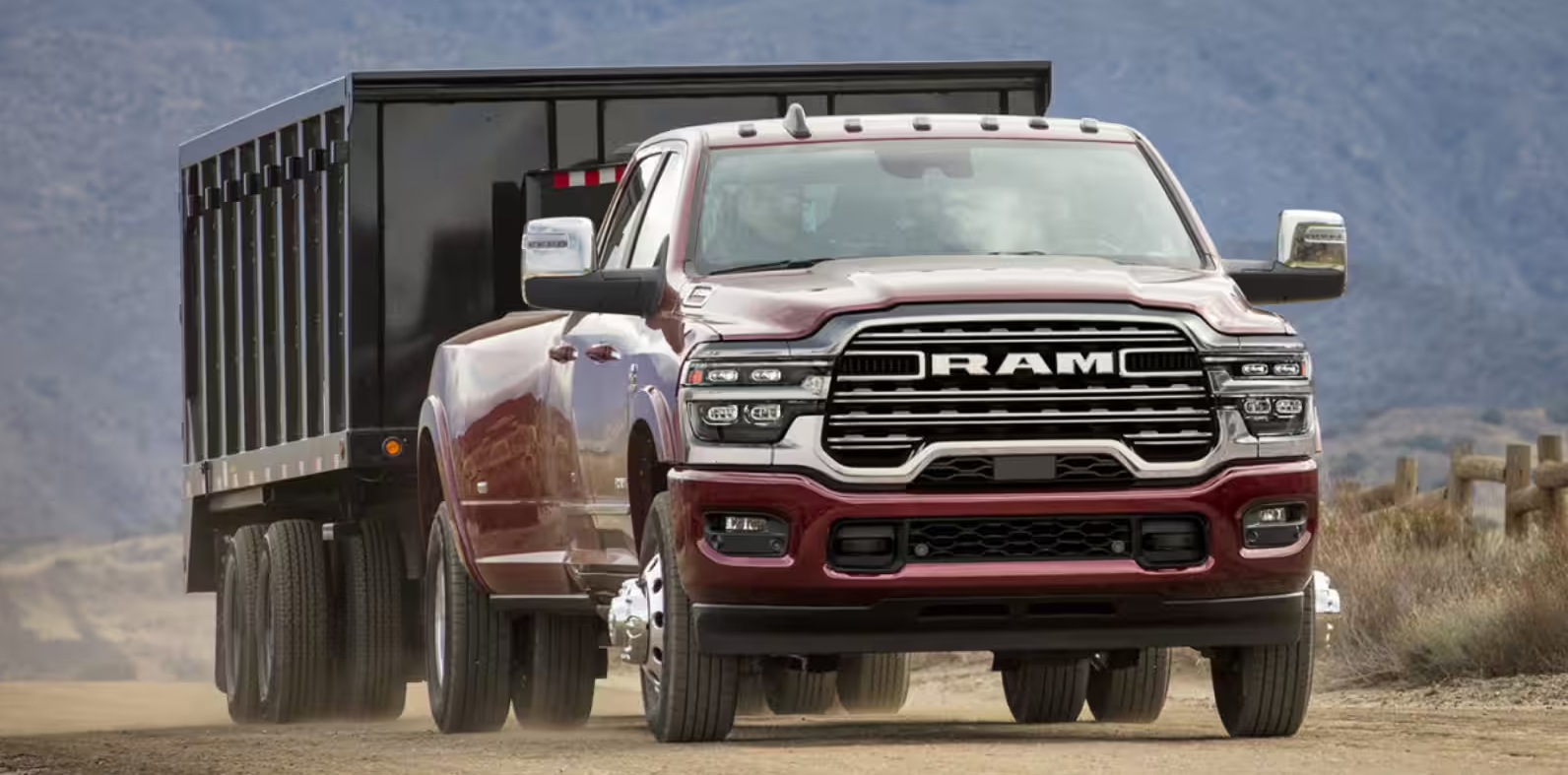
Your Ram 1500’s eTorque system is a clever mix of old-school truck muscle and modern efficiency tech. This mild hybrid setup works quietly in the background, giving you smoother acceleration and better fuel economy through a built-in electric motor-generator. Knowing how your eTorque system operates can prevent surprise breakdowns and expensive repairs down the road. At Meadowland of Carmel CDJR, we help Putnam County truck owners protect their investment with specialized service for these advanced systems. Schedule your eTorque service to keep your hybrid system running reliably for years ahead.
Whether you’re hauling equipment through Putnam County or commuting along Route 6, your hybrid system faces specific challenges that impact its long-term reliability.
Understanding Your Ram 1500 eTorque System
The eTorque system operates differently than most people expect from a hybrid. Instead of running as a separate power source, the belt-driven motor-generator unit helps your gasoline engine during acceleration and grabs energy when you’re slowing down. This 48-volt system takes the place of your regular alternator, pulling double duty as both starter motor and power generator.
Press the accelerator and the electric motor delivers instant torque assistance, bridging the gap before your engine hits its power sweet spot. The system also lets your Ram shut off the engine at red lights without that annoying shudder you’d get from a typical start-stop system.
The eTorque battery pack stores captured energy for later use, positioned behind your rear seat. This spot protects it from engine heat while keeping weight distribution balanced. Everything integrates with your truck’s computer network, constantly watching performance and adjusting operation based on how you’re driving.
eTorque Battery Care and Longevity
Your eTorque battery is quite different from both regular car batteries and full hybrid battery packs. This lithium-ion Nickel Manganese Cobalt (NMC)-Graphite unit runs at higher voltage and needs different care than the 12-volt battery under your hood. The eTorque battery is covered under Ram’s Federal Emissions Warranty for 8 years or 80,000 miles, whichever comes first. Actual battery longevity beyond the warranty period will vary depending on driving patterns, climate, and maintenance history.
Temperature plays a huge role in battery health. Cold weather temporarily cuts capacity, while ongoing heat speeds up chemical breakdown inside the cells. Your battery’s spot behind the rear seat offers some protection, but it’s not immune to the seasonal temperature swings we get here in New York.
Using your truck regularly actually helps your eTorque battery more than letting it sit idle. The system needs steady charge-discharge cycles to keep cell balance in check. Short trips aren’t as much of a concern as they are for regular batteries, since regenerative braking constantly tops off the charge.
What Affects Your eTorque Battery Health
Charging patterns have a big impact on your battery’s lifespan. Highway driving provides steady charging from engine operation, while frequent stops create regenerative braking opportunities. Both scenarios help battery health when they’re balanced right.
Your electrical system’s overall condition matters more than you’d think. Corroded connections or failing components can force the eTorque system to work harder, putting unnecessary stress on the battery. Clean terminals and tight connections ensure efficient power flow, reducing strain on the whole hybrid system.
Software updates directly affect battery management strategies. Ram releases updates periodically that fine-tune charging algorithms and improve battery protection protocols. Missing these updates means your system runs with outdated logic that might not give your battery pack the best protection.
Towing and hauling put extra demands on your eTorque system. The electric motor helps with initial acceleration, but heavy loads need more frequent cycling. This increased workload won’t damage the system when it’s properly maintained, but it does highlight why staying current with your service schedule matters.
Signs Your Battery May Need Attention
Dropping fuel economy often serves as an early warning of battery trouble. When your eTorque battery can’t hold a proper charge, the system gives less electric assist, making your engine work harder. You might see this as a gradual drop in your usual MPG numbers, especially during city driving where the electric motor should help most.
Sluggish acceleration tells a similar story. The eTorque system should give instant torque response when you hit the accelerator. Hesitation or reduced power during initial acceleration might mean your battery lacks the capacity to provide full electric assist.
Dashboard warnings give the most obvious sign that something needs attention. Your instrument cluster will show specific eTorque-related messages when the system spots battery issues. Don’t ignore these warnings since they point to problems that could get worse without intervention.
Changes in how your start-stop system behaves can reveal battery health problems. If your engine restarts more roughly or the start-stop function kicks in less often, your battery may struggle to deliver the smooth operation Ram built into the system.
Recommended Service Intervals for eTorque Systems
Ram maintenance for eTorque models follows specific intervals that differ slightly from conventional powertrains. Your first major inspection should happen at 25,000 miles, when technicians check battery health, electrical connections, and system operation. This early checkup creates baseline performance data for comparison during future service visits.
Regular intervals at 50,000 and 75,000 miles include thorough eTorque system evaluations. Technicians run diagnostic tests to check battery capacity, look for software updates, and inspect the motor-generator unit for proper function. These inspections catch developing issues before they cause breakdowns or hurt performance.
Annual inspections make sense no matter what your mileage looks like, especially if you drive less than 12,000 miles yearly. Sitting idle creates its own challenges for hybrid systems, and yearly checkups make sure everything stays in proper working order despite limited use. Our service center can help you set up a maintenance schedule that fits your specific driving patterns.
Don’t forget your 12-volt battery during service appointments. While attention focuses on the eTorque system, your traditional battery still powers critical vehicle functions. A failing 12-volt battery can trigger error codes and system malfunctions that look like eTorque problems.
Warning Signs Your eTorque System Needs Service
Dashboard Indicators and Error Codes
Your instrument cluster shows specific warnings when it spots eTorque system problems. A battery symbol with text indicates issues with the hybrid battery pack itself. This warning might show up alongside reduced power messages, depending on how serious the detected problem is.
Check engine lights can come on for eTorque-related issues, though they also appear for countless other reasons. Professional diagnostics tell the difference between minor sensor glitches and serious system problems. Ignoring check engine lights risks turning minor issues into major repairs.
Service hybrid system messages need immediate attention. This warning means your vehicle detected problems serious enough to limit system operation or enter a protective mode. Continuing to drive with this warning displayed may cause additional damage or leave you stranded if the system shuts down completely.
Performance Symptoms to Monitor
Power delivery should feel seamless throughout your acceleration range. If you notice distinct transitions where electric assist cuts in or out, or if acceleration feels choppy during normal driving, your system needs evaluation. Properly functioning eTorque systems provide smooth transitions between electric and engine power.
Unusual sounds from your engine compartment need immediate attention. The eTorque motor-generator should run silently during normal conditions. Grinding, whining, or clicking noises suggest mechanical problems with the unit itself or its belt drive system.
Start-stop operation quality reveals system health. Your engine should restart smoothly and quietly when you release the brake pedal. Rough restarts, extended cranking time, or complete failure of the start-stop function all point to potential problems requiring professional diagnosis.
How Carmel and Putnam County Driving Affects Your eTorque
Local driving conditions create unique demands on your eTorque maintenance needs. The hills and elevation changes throughout Putnam County give your regenerative braking system plenty of chances to recover energy. Going downhill lets the system act as an engine brake while recharging the battery.
Winter weather creates specific challenges for hybrid technology. Cold temperatures reduce battery efficiency temporarily, though your system includes heating elements to maintain optimal operating conditions. Ice and snow on local roads mean more salt exposure, making regular undercarriage cleaning essential for protecting electrical connections and battery pack mounting hardware.
Stop-and-go traffic through Carmel and along Route 6 favors eTorque operation. The frequent acceleration and deceleration cycles maximize electric assist and regenerative braking benefits. However, this traffic pattern also means more start-stop cycles, placing greater demands on the motor-generator unit compared to mainly highway driving.
Seasonal temperature extremes affect reliability expectations. Summer heat penetrating through your rear seat area can stress the battery pack, while winter cold reduces available capacity. Parking in a garage when possible moderates these temperature swings, extending battery life and maintaining consistent performance year-round.
DIY vs. Professional eTorque Maintenance
Basic maintenance tasks stay within reach of most truck owners. Keeping your battery terminals clean, checking electrical connections for corrosion, and monitoring fluid levels need no special equipment. These simple checks catch developing problems before they turn into expensive repairs.
eTorque system diagnostics require specialized equipment most home mechanics don’t have. Checking battery cell balance, running voltage tests, and accessing hybrid system control modules need professional scan tools. Attempting complex diagnostics without proper equipment risks misdiagnosis and unnecessary parts replacement.
Software updates must be done by qualified technicians with access to Ram’s latest programming. These updates often include critical safety improvements and performance optimizations. Skipping updates because you prefer DIY maintenance puts your vehicle behind on important improvements.
Electrical system repairs on hybrid vehicles carry additional safety considerations. The 48-volt eTorque system operates at voltages that can cause serious injury without proper precautions. High-voltage service work should always be left to trained professionals who understand the necessary safety protocols.
Protect Your eTorque Investment at Meadowland of Carmel CDJR
Why Choose Factory-Trained Service
Professional service at Meadowland of Carmel CDJR ensures your eTorque system gets proper care from technicians equipped with specialized diagnostic tools these systems require. Our factory-trained technicians understand the unique requirements of Ram’s hybrid technology and have access to the latest software updates and genuine Mopar parts.
Regular service appointments create documentation that proves valuable during warranty claims or when selling your truck. Documented maintenance shows responsible ownership and can significantly impact resale value.
Schedule Your Service Today
We make maintaining your truck convenient with service hours Monday through Friday from 7:30 AM to 5 PM and Saturdays from 8 AM to 3:30 PM. Call our service department at 845-842-7355 or schedule your eTorque service appointment online. Your Ram represents a significant investment that deserves expert care from technicians who specialize in these advanced systems. Visit us at 1952 US-6 in Carmel, NY to ensure your eTorque system gets the attention it requires for years of dependable performance.
Connect with us


- July 2026
- June 2026
- May 2026
- April 2026
- March 2026
- February 2026
- January 2026
- December 2025
- November 2025
- October 2025
- September 2025
- August 2025
- July 2025
- June 2025
- May 2025
- April 2025
- March 2025
- February 2025
- January 2025
- December 2024
- November 2024
- October 2024
- September 2024
- August 2024
- July 2024
- June 2024
- May 2024
- April 2024
- March 2024
- February 2024
- January 2024
- December 2023
- November 2023
- October 2023
- September 2023
- August 2023
- July 2023
- June 2023
- May 2023
- April 2023
- March 2023
- February 2023
- January 2023
- December 2022
- November 2022
- October 2022
- September 2022
- August 2022
- July 2022
- June 2022
- May 2022
- April 2022
- March 2022
- February 2022
- January 2022
- December 2021
- November 2021
- September 2021