




Blog / Service

What are tire rotations good for?

Carmel, NY Tire Rotations

With the onset of summer in New York, you can't wait to travel to all the destinations on your season's to-do list with your friends and family. You may have achieved your summer body goals, and you can't wait to flaunt your abs, curves, or fit body, but what about your other travel companion, your vehicle? Your tires are a vital part of your vehicle that requires checking and maintenance. You don't want to experience any mishaps while driving around the city or any inconveniences to your summer plans.

Scheduling your vehicle for tire rotation and maintenance with your dealership will ensure that your tires last longer and achieve optimal vehicle performance and road safety. Our experts at Meadowland of Carmel, New York, explain tire rotation activities from tire balancing to tire alignment, why they are essential, and signs to detect them.

Tire Rotations

Tire rotation refers to switching your tires from one position to another in distinct patterns to wear more evenly and extend their tread life. Auto technicians take out each wheel and place it in a different spot on the vehicle. For example, they can take out your front left wheel and place it in the rear right position. Front tires may wear out faster than rear tires since they absorb additional friction when turning your wheels.

How Often Should You Schedule Tire Rotation?

Experts recommend a tire rotation every six months after driving 6,000 to 8,000 miles or whenever you get an oil change. However, tire rotation frequency also depends on whether your vehicle is front, rear, or all-wheel. You can also assess your tires' treads for uneven wear to predict your next tire rotation. As always, refer to your vehicle manufacturer's manual for the rotation frequency of your tires.

Tire Alignment

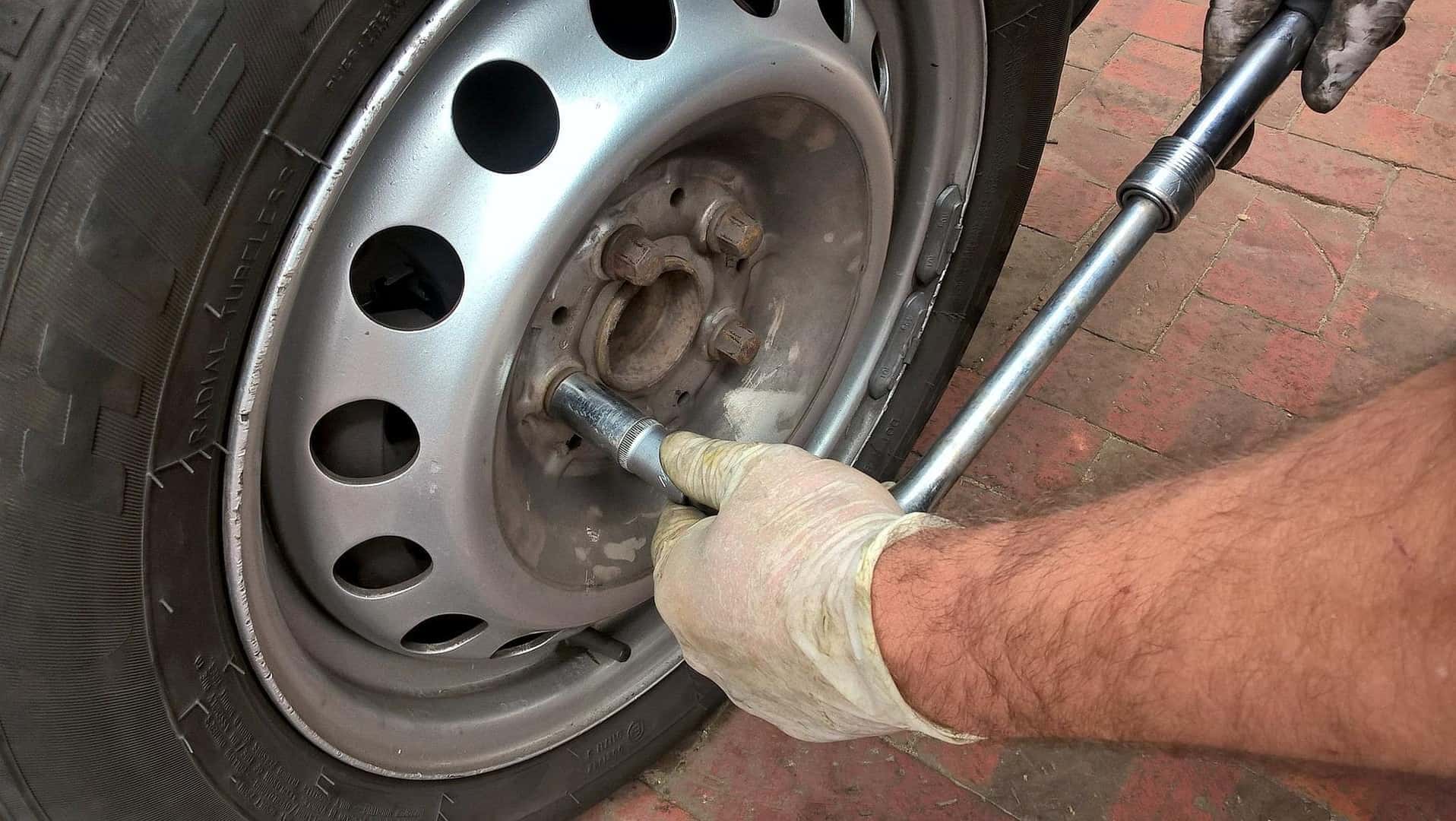
Image via Pixabay

Tire alignment involves a mechanical adjustment of your vehicle's suspension to influence the direction and angle of the tires' contact with the road surface. Tire alignment improves vehicle handling and keeps your vehicle from pulling in one direction or vibrating strangely on the road. The manufacturer sets every vehicle's optimum tire alignment, so your car's settings must align with what the manufacturer's manual states.

How Often Should You Schedule Tire Alignment?

There is no specific time frame for your tires to get an alignment. However, tire manufacturers recommend that you shouldn't exceed three years without a tire alignment. Various factors can contribute to tire misalignment, including driving on Carmel's bumpy or rough terrains. So, to ensure you avoid any misalignment, you can schedule an alignment inspection every time you go for your routine vehicle servicing.

Indicators of Tire Misalignment

The following are signs of tire misalignment:

  • Drifting or pulling the car to one side of the road. When driving on a straight or flat surface, you shouldn't have to steer in the opposite direction to keep the car straight. If your car pulls to one side, either left or right, it may indicate that your tires are misaligned.
  • Off-center steering wheel. Your steering wheel should always be centered, even after taking sharp turns or parking at tight spots. However, if you notice that the steering wheel doesn't return to its normal centered position afterward, it may be time to schedule a tire alignment.
  • Uneven tire wear. If you notice that the inner and outer edges are wearing out faster than the rest of the tread, it can be due to misalignment. This uneven wear indicates your tires are leaning too much to one side, causing the outer and inner edges to wear unevenly.
  • Vibrating steering wheel. If you detect a vibrating steering wheel while driving, it may be due to sudden disruptions to your vehicle's suspension, such as hitting a pothole or a raised surface like a curb. Whatever the cause may be, visiting your dealership for routine assessment is recommended since these vibrations can also signify a more significant and more serious issue.

Tire Balancing

Tire balancing involves inspecting your vehicle's weight distribution on your tires and wheel parts. This procedure eliminates uneven points on your tires to ensure that you have smooth and comfortable rides. Auto technicians perform tire balancing through a match mounting process which involves matching the high and low areas in your rims with the tires.

When Should You Take Your Vehicle for Tire Balancing?

Tire balancing is not a routine service. Therefore, you should schedule a tire balancing appointment when you notice certain things while driving, such as seat vibrations. Also, you may require tire balancing if you notice that your steering wheel, floorboard, and seat shake or vibrate while you drive especially fast. Uneven tire wear across your tire tread can also signify that your vehicle requires tire balancing.

Why You Shouldn't Neglect Tire Maintenance

Neglecting tire maintenance risks your road safety and other road users. Here are the issues that you may experience as a result of neglecting each tire maintenance activity:

  • Tire tread wear: Your vehicle tire tread may wear unevenly, thus creating a rough and potentially unstable driving surface. Premature tire tread wear may cause heat buildup and an increased risk of punctures and blowouts.
  • Tire misalignment: Tire misalignment affects steering, suspension, and safety. Neglecting your tire alignment routine can pose a collision risk if you find yourself in an emergency, such as making a sharp turn to avoid an oncoming vehicle.
  • Tire imbalance: Unbalanced tires can wobble or bounce up and down, which causes vibration when driving. It may cause vehicle instability, eventually damaging your tires, suspension system, and steering system. Any of these issues can be costly to repair.

Schedule Your Tire Rotation and Maintenance at Meadowland of Carmel, New York

If you detect either of the mentioned signs above while driving around Carmel, it may indicate that you need to schedule tire rotation, balancing, or alignment at your dealership. You may also schedule routine checks and servicing to avoid other problems.

Are you looking for an auto dealership to service your vehicle around Carmel? Then look no further. Contact or Visit Meadowland of Carmel, New York, to have your vehicle issues fixed by our certified auto technicians in our well-equipped service center. You may also schedule a service appointment with us. Road and vehicle safety is our utmost priority for our clients.
Posted in:

Related Posts

CDJR Service and Repairs

Most Common CDJR Repairs & How to Spot Them Early

Chrysler, Dodge, Jeep, and Ram vehicles get put through their paces around here, daily commutes in Carmel, NY, weekend runs out to the Hudson Valley's rougher trails. Trucks and SUVs wear down eventually, no matter how well they're built, and catching that wear early is usually what separates a small fix from a costly repair. Knowing the warning signs specific to your vehicle gives you a real advantage for both safety and your wallet, and that's exactly why we put together this guide to common CDJR repairs. If something already feels off, you can schedule a service appointment online with us anytime. Why Early Detection Saves Hudson Valley CDJR Owners Money Catching an issue early almost always costs less than dealing with the fallout later. A squealing brake pad replacement is far more affordable than replacing warped rotors and calipers, and a battery test before winter beats an emergency tow on a January morning in Brewster or Poughkeepsie. Early diagnosis also keeps your vehicle safe and reliable on roads that turn unpredictable once the cold sets in. For Hudson Valley drivers who depend on their Ram trucks or Jeep SUVs year-round, staying ahead of common CDJR repairs means fewer surprises and better long-term resale value. Brake Warning Signs Every CDJR Driver Should Know Brakes tend to give clear signals when something's wrong. Knowing what those signals mean before the problem becomes dangerous is the key. CDJR vehicles, particularly heavier models like Ram 1500 trucks and Jeep Grand Cherokees, put considerable demand on their braking systems. Brake pads typically last 30,000 to 70,000 miles, while rotors generally last 60,000 to 100,000 miles, though your owner's manual and driving habits will affect these ranges. Squealing, Grinding, and Soft Pedal Feel That high-pitched squeal you hear when slowing down is usually a built-in wear indicator, and it's worth acting on right away. Once squealing progresses to grinding, the pads have worn through completely, and metal-on-metal contact starts damaging your rotors, adding meaningful cost to what started as a simple pad swap. A soft or spongy pedal feel points to a different problem, often low brake fluid or air trapped in the hydraulic lines. Either way, the brake system can't generate consistent stopping pressure, which creates unpredictable performance exactly when you need reliability most. Vibration or Pulling While Braking Pulsation through the brake pedal or steering wheel when slowing down usually signals warped rotors. Heat cycles from repeated hard braking can cause rotors to develop uneven surfaces, and you feel that unevenness every time you apply the brakes, particularly on loaded Ram trucks or Jeep Wranglers used for towing. Pulling to one side during braking suggests uneven pad wear or a sticking caliper. Left unaddressed, this can accelerate tire wear and stress suspension components. Battery and Electrical Issues in New York Winters Cold temperatures are hard on vehicle batteries, and New York winters are no joke. The chemistry inside a lead-acid battery slows down in freezing conditions, reducing the cranking power available when you try to start your engine. For CDJR owners in Carmel and the surrounding Hudson Valley, winter battery issues rank among the most common reasons for unexpected service calls. A battery can seem fine in September and fail outright by December. The cold isn't really the cause; it just finds the weakness that was already building underneath. Signs of Battery Degradation from Cold Weather The most common early warning is a sluggish engine crank. If your Ram or Dodge takes noticeably longer to turn over on a cold morning, the battery is struggling. Watch also for dimming headlights at idle, corrosion on the terminals, or your radio and clock resetting after the vehicle sits overnight. Getting a battery load test before the season changes is a simple preventive step that can tell you whether it has enough capacity to handle winter. Dashboard Warning Lights and Sensor Glitches Cold weather can trigger sensor glitches that illuminate warning lights even without a mechanical failure. The Check Engine Light, battery light, and TPMS warnings are among the most common to appear during temperature swings. A flashing Check Engine Light means you should stop driving and have the vehicle towed; a steady light often indicates something minor, like a loose gas cap, but still deserves a look. A light that comes and goes might seem harmless but could indicate a failing sensor or weak connection worth investigating. If you're seeing recurring warnings, our certified CDJR service center in Carmel can run a proper diagnostic. Fluid Leaks and Engine Trouble Signals Fluid leaks are one of the most visible early warning signs a vehicle can give you, yet many drivers walk past a spot in the driveway without a second thought. The color and location of a leak tell a trained technician a great deal about where the problem originates and how serious it is. Oil, Coolant, and Transmission Fluid Leaks Oil leaks typically leave dark brown or black spots near the front or center of the vehicle, right beneath the engine. Low oil levels accelerate engine wear by reducing lubrication, and over time, this leads to premature damage that far outweighs the cost of sealing a gasket early. Coolant, by contrast, shows up green, orange, or pink, and can lead to overheating if the system loses enough fluid. Transmission fluid leaks present as reddish spots toward the middle of the vehicle and can impair shifting quality as levels fall. All three warrant prompt attention, particularly before a long highway drive or seasonal road trip. Rough Idling and Power Loss If your engine shudders at a stoplight or feels sluggish accelerating onto the highway, don't chalk it up to a bad day. Rough idling and power loss often point to fuel delivery problems, ignition system wear, or a sensor issue affecting the air-fuel mixture. A diagnostic scan gives your technician a clear starting point, since modern CDJR vehicles log fault codes that can identify the root cause quickly and keep diagnostic costs manageable. Suspension, Steering, and Transmission Red Flags Suspension and drivetrain issues often develop gradually, which is why they go unnoticed until they become hard to ignore. Paying attention to how your vehicle feels on the road, especially on the rough and uneven pavement common in parts of the Hudson Valley, helps you catch these problems before they turn serious. Jeep Wrangler Death Wobble Basics The Jeep Wrangler has a well-known quirk called the death wobble, a violent front-end shaking that typically triggers at highway speeds after hitting a bump or crack in the road. It's commonly caused by worn or loose tie rods, ball joints, or track bars, and it rarely stems from a single component. Throwing one part at the problem without a thorough inspection usually delivers inconsistent results. Getting it diagnosed by a technician familiar with Wrangler suspension geometry is the most reliable path to a lasting fix. Delayed Shifting and Unusual Noises Automatic transmissions in Ram trucks and Dodge vehicles are engineered for durability, but aren't immune to wear. Delayed engagement shifting into drive, hesitation between gear changes, and hard or clunky shifts are worth investigating, as these can stem from low transmission fluid, worn clutch packs, or a failing solenoid. Whining, clunking, or humming from beneath the vehicle during acceleration or coasting suggests problems in the drivetrain or differential. Catching these early typically means a fluid change or a single component repair rather than a full transmission rebuild. Your Scannable Warning-Sign Checklist Don't let any of these symptoms sit unaddressed for weeks. Owners who treat warning signs as useful information, rather than a nuisance to ignore, tend to keep their vehicles running longest. Brakes: Squealing or grinding when braking Soft or low brake pedal Vibration through the pedal or steering wheel while braking Vehicle pulling to one side when slowing down Battery and electrical: Slow engine cranking, especially in cold weather Dimming headlights at idle Corrosion on battery terminals Warning lights that appear intermittently Fluids and engine: Spots or puddles under the vehicle (note the color) Low fluid levels found during a routine check Rough idle or unexpected power loss A burning smell from the engine bay Suspension, steering, and transmission: Front-end shimmy or shake at highway speeds Clunking or knocking over bumps Delayed or rough gear changes Whining or grinding noises from underneath the vehicle Why Choose Meadowland of Carmel's CDJR Service Center When a common CDJR repair comes up, where you take your vehicle matters as much as how quickly you act. Certified Technicians and OEM Parts Our CDJR service department is staffed by manufacturer-trained technicians who work specifically on Chrysler, Dodge, Jeep, and Ram vehicles. That familiarity matters when diagnosing something like a Wrangler death wobble or an 8-speed transmission concern in a Ram 1500, and using genuine OEM parts helps preserve original performance and durability. Multi-Point Inspections A multi-point inspection gives us a full picture of your vehicle's health, not just a snapshot of the one issue you called about. Our technicians check brakes, fluids, tires, suspension, belts, and electrical systems as part of a broader evaluation, which regularly surfaces minor issues before they land on the driver's radar. Located at 1952 US-6 in Carmel, NY, we serve drivers throughout Carmel, Poughkeepsie, Brewster, and Danbury, CT. Reach the service team at 845-842-7355, Monday through Friday 7:30 AM to 5:00 PM and Saturday 8:00 AM to 3:30 PM. Schedule Your Service and Save with Current Coupons Current Offers Meadowland of Carmel regularly offers service coupons and promotions that make maintenance more accessible. Whether you need an oil change, a battery inspection ahead of winter, or brake service, checking current offers before booking can reduce the cost meaningfully. Book Your Appointment Scheduling is straightforward. Schedule your service appointment online, or call the service department directly at 845-842-7355. Service hours run Monday through Friday 7:30 AM to 5:00 PM and Saturday 8:00 AM to 3:30 PM, convenient for drivers with weekday work schedules. Frequently Asked Questions What is the most common problem with Jeep Wranglers? The most frequently discussed issue among Jeep Wrangler owners is the death wobble, a violent front-end vibration typically triggered at highway speeds when the front wheels hit a bump. It's commonly linked to worn or loose track bars, ball joints, or tie rod ends. A thorough inspection is the most reliable way to identify which components need replacement and restore stable handling. How do I know if my CDJR vehicle needs transmission service? The clearest signals are delayed engagement shifting into drive or reverse, hesitation or harsh transitions between gears, and a noticeable drop in fuel efficiency without another explanation. Reddish fluid spots beneath the vehicle indicate a transmission fluid leak, which can accelerate wear if the level drops. Any of these symptoms warrant a service appointment rather than a wait-and-see approach. Can early diagnosis really save money on repairs? Yes, and the gap can be substantial. Replacing a brake pad before it damages the rotor, sealing a gasket before oil starvation harms the engine, or identifying a weak battery before it leaves you stranded are all examples where a modest service expense prevents a much larger one. Consistent maintenance and prompt attention to warning signs remain the most cost-effective approach to CDJR ownership over the long term.

Jeep Service

How Often Should You Change the Transfer Case Fluid on Your Jeep?

Your Jeep's transfer case works hard behind the scenes, splitting power between your front and rear axles to deliver that legendary four-wheel-drive capability you depend on. This essential component often gets overlooked during routine maintenance. Knowing when and why to change your transfer case fluid can save you thousands in repairs and keep your Jeep running strong, whether you're navigating Carmel's winter roads or tackling weekend trails. If you're due for service, schedule your service appointment at Meadowland of Carmel CDJR to keep your drivetrain protected. more Understanding Your Jeep's Transfer Case and Why It Matters What the Transfer Case Does in Your 4WD System Think of the transfer case as your Jeep's power distributor. This gearbox sits between your transmission and axles, controlling how engine power reaches all four wheels. When you shift into 4WD, the transfer case jumps into action, sending torque wherever you need it most. That means proper traction on slippery surfaces, steep hills, and rough terrain. Without well-maintained transfer case fluid, this crucial component can't protect metal gears from friction and heat. The fluid inside juggles multiple jobs: lubricating moving parts, pulling heat away, and keeping internal components clean. Over time, this fluid breaks down from constant pressure and temperature swings. Contamination from metal shavings and moisture cuts into its effectiveness. That makes regular fluid changes just as important as your engine oil maintenance. How Transfer Case Service Differs from Transmission Service Lots of Jeep owners confuse transfer case maintenance with transmission service, but these are completely separate systems that need different care. Your transmission manages gear changes and power delivery from the engine. The transfer case works downstream, handling power distribution to your axles. While they're connected, they use different fluids and follow different service schedules. Complete transmission service typically includes fluid exchange, filter replacement, and inspection of transmission components. Transfer case service focuses on draining old fluid and refilling with fresh lubricant designed for that gearbox's specific needs. Both services protect your drivetrain investment, but handling each system correctly ensures nothing gets missed. Recommended Transfer Case Fluid Change Intervals for Jeeps Factory Guidelines for Common Jeep Models Jeep's factory maintenance schedules vary significantly by model, year, and drivetrain. For the Jeep Wrangler JL, the owner's manual specifies inspecting transfer case fluid every 30,000 miles and changing it at 60,000 miles for vehicles with a manual transmission or under severe-duty use, with the automatic transmission variant potentially going longer under normal conditions. Grand Cherokee models vary widely, with some owner's manuals specifying change intervals of 104,000 to 120,000 miles under normal use. Because intervals differ so much, consulting your specific owner's manual or a factory-trained technician is essential for your exact vehicle. Factory-trained technicians at our service center can also verify the recommended schedule during routine maintenance visits. Following these guidelines helps maintain your warranty coverage and ensures your four-wheel-drive system operates as designed. Severe Driving Conditions That Require More Frequent Changes Severe driving conditions demand more frequent service, and Jeep's factory severe-duty schedules reflect this. For the Grand Cherokee under severe-duty use (off-roading, frequent towing, police or fleet service), the factory interval is typically 60,000 miles. Deep water crossings, extended idling, and short trips in extreme temperatures also count as severe use. If you regularly trailer boats or campers, hit muddy trails, or plow snow during Carmel winters, your Jeep experiences harder-than-average wear. How Your Driving Habits Around Carmel Affect Fluid Life Off-Roading, Towing, and Weekend Adventures Weekend adventures take a serious toll on transfer case fluid that daily drivers never see. Drop into 4WD Low on rocky trails or through deep snow, and your transfer case works overtime. The constant switching between two-wheel and four-wheel drive modes creates heat and pressure that speeds up fluid breakdown. Water and dirt intrusion during trail runs can contaminate the fluid, reducing its protective qualities. Towing adds another layer of stress. Whether you're hauling a boat to nearby lakes or pulling equipment for home projects, that extra weight forces your transfer case to work harder. This pushes operating temperatures up and breaks down fluid additives more quickly. Jeep owners who combine regular towing with occasional off-roading should consider checking transfer case fluid every 15,000 miles or annually, whichever comes first. Winter Driving and Daily Commuting Considerations Winter conditions around northern Westchester and Putnam counties create unique challenges for transfer case maintenance. Cold temperatures thicken fluid, reducing its ability to flow smoothly and lubricate moving parts during startup. Frequent use of 4WD on snowy roads means your transfer case sees more action than during summer months. Road salt and moisture can also work their way into the system through seals and vents, contaminating the fluid. Daily commuting might seem easy on your Jeep, but short trips prevent the transfer case from reaching proper operating temperature. This incomplete warm-up cycle allows condensation to build up in the fluid. Over months and years, this moisture contamination leads to corrosion and early wear. If you're noticing any issues with your four-wheel-drive system, contact our team for a diagnostic assessment. Warning Signs Your Transfer Case Fluid Needs Attention Your Jeep will definitely tell you when something needs attention. Strange noises from underneath the vehicle often signal transfer case trouble. Grinding, whining, or clunking sounds when shifting into or out of 4WD point to low or contaminated fluid. Don't ignore these noises because they represent metal-on-metal contact that damages internal gears. Difficulty shifting between 2WD and 4WD modes suggests your transfer case fluid has lost its effectiveness. You might notice the shifter fighting back or the system failing to fully engage. Some Jeep owners experience slipping during operation, where power delivery feels inconsistent or delayed. Checking the fluid level and condition can reveal whether you're dealing with low fluid, contaminated lubricant, or a more serious mechanical issue. Visible leaks beneath your Jeep point to seal failures that let fluid escape and contaminants enter. Even small leaks need immediate attention since low fluid levels quickly lead to overheating and component damage. Catching these warning signs early prevents expensive transfer case rebuilds or transmission repairs down the road. Jeep Transmission Service: What's Included and When You Need It Understanding the full scope of Jeep transmission service helps you maintain your entire drivetrain properly. Comprehensive service includes draining and replacing transmission fluid, swapping out the filter, and inspecting internal components for wear. Technicians check for metal particles in old fluid that might show developing problems and examine seals, gaskets, and connections for leaks or damage. Most Jeep models benefit from transmission service every 30,000 to 60,000 miles under normal conditions. Severe driving conditions call for more frequent attention. A transmission flush provides more thorough cleaning than a simple fluid change, removing built-up deposits and conditioning agents from throughout the system. Factory-trained technicians at Meadowland of Carmel understand the specific requirements of Jeep transmission systems. They use proper fluids and procedures recommended by the manufacturer. This matters because using wrong fluid specifications can cause shifting problems and early wear. Professional service also includes road testing to verify smooth operation across all gear ranges. Professional Service vs. DIY: Making the Right Choice for Your Jeep Some Jeep owners handle transfer case and transmission maintenance themselves to save money. DIY service can work if you have mechanical skills, proper tools, and a suitable workspace. You'll need a way to safely lift the vehicle, catch and dispose of old fluid properly, and source the correct replacement lubricants. Transfer case fluid changes are generally more straightforward than full transmission service since they involve basic drain and fill procedures. Professional service offers distinct advantages worth considering. Certified technicians spot potential issues during routine maintenance that untrained eyes might miss. They have access to specialized tools and diagnostic equipment. Dealership service creates documented maintenance history that supports warranty claims and increases resale value. The cost at a professional shop includes expertise, proper disposal, and peace of mind that everything was done correctly. Your choice depends on your comfort level with automotive maintenance and the complexity of the work needed. Simple fluid changes suit confident DIYers. Diagnosing transmission issues or addressing unusual symptoms calls for professional attention. Schedule Your Jeep Transfer Case and Transmission Service in Carmel Regular maintenance keeps your Jeep running smoothly and preserves its legendary capability. Staying current with transfer case and transmission service prevents small problems from becoming major gearbox repairs. The service team at Meadowland of Carmel understands the unique demands that driving throughout northern Westchester and Putnam counties places on your vehicle. Their factory-trained technicians use genuine Mopar parts and fluids designed specifically for your Jeep model. Convenient Scheduling and Service Hours Located at 1952 US-6 in Carmel, Meadowland of Carmel CDJR makes scheduling convenient. Service hours run Monday through Friday from 7:30 AM to 5 PM and Saturdays from 8 AM to 3:30 PM. Call 845-842-7355 to discuss your Jeep's maintenance needs and set up an appointment. Whether you need routine maintenance or have concerns about unusual sounds or shifting behavior, their team provides honest assessments and quality work. Decades of Experience Serving Hudson Valley Jeep Owners Don't wait until warning lights appear or problems develop. Proactive maintenance costs far less than addressing neglected transmission problems or transfer case failures. Part of the Volz Auto Group, Meadowland of Carmel brings decades of experience serving Jeep owners throughout the Hudson Valley. Their commitment to customer service and technical excellence ensures your vehicle receives the attention it deserves. Book your Jeep service today and keep your adventure-ready vehicle performing at its peak.

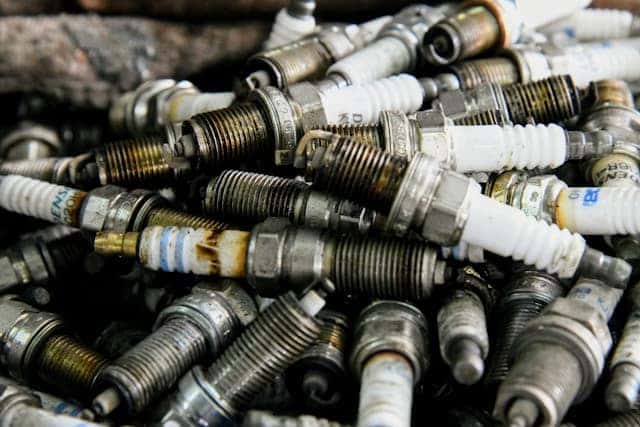
A pile of different types of screws on top of each other

The Essential Role of Spark Plugs in Your Vehicle

When it comes to the smooth operation of your vehicle, spark plugs may not be the first component that comes to mind, yet they play an indispensable role in your car's engine performance. These small devices ignite the air-fuel mixture in the engine's cylinders, enabling your vehicle to start and run efficiently. Neglecting to maintain or replace spark plugs can lead to various problems, from reduced fuel efficiency to engine misfires. At Meadowland of Carmel, we're committed to keeping your vehicle in peak condition. This guide provides essential information about spark plugs, including how they work, how to identify when they need replacing, and the best practices for maintaining them. more Schedule Service Service Center Call Us How Spark Plugs Work Spark plugs are critical components in an internal combustion engine. They function as the ignition source for the air-fuel mixture, producing the necessary spark to initiate combustion. When you turn the ignition key, the vehicle's battery sends electrical energy to the spark plug, which generates a spark at the tip of the plug. This spark ignites the compressed air-fuel mixture in the engine's cylinders, causing a mini-explosion that pushes the pistons and ultimately powers the vehicle. This process is repeated thousands of times a minute while your engine is running, illustrating just how vital spark plugs are to your vehicle's operation. A well-functioning spark plug ensures efficient combustion, contributing to better performance and fuel economy. Life Span of Spark Plugs How long do spark plugs last? The average life span of spark plugs depends on several factors, but many standard plugs are designed to last between 30,000 and 100,000 miles. It's a good idea to consult your vehicle owner's manual for specific recommendations tailored to your car's make and model. The factors that influence a spark plug's life expectancy include: Type of spark plug: Copper spark plugs typically last around 20,000 miles, while iridium and platinum spark plugs can last up to 100,000 miles or more. Driving conditions: Frequent short trips or stop-and-go driving can cause spark plugs to wear out faster. Engine condition: Issues such as oil leaks or an improperly tuned engine can contribute to premature spark plug wear. Fuel quality: Lower-quality fuel can lead to deposits forming on spark plugs, reducing their effectiveness. To find the exact plug type and replacement components engineered for your model, explore our full catalog of Mopar parts and accessories. Identifying Worn-Out Spark Plugs Identifying worn-out spark plugs can help you better maintain your vehicle's performance. Here are some common signs you need to replace spark plugs: Engine misfires: If your engine struggles to start or runs unevenly, it could be a sign that your spark plugs are failing. Reduced acceleration: Difficulty picking up speed when you accelerate can indicate that your spark plugs aren't firing correctly. Poor fuel economy: If you notice a sudden increase in fuel consumption, it may be time to check your spark plugs. Strange noises: Knocking or rattling sounds coming from the engine can also suggest your spark plugs are malfunctioning. Check engine light: If your check engine light illuminates, it's a good idea to have your spark plugs inspected, as this can indicate misfires. If you experience any of these issues, don't hesitate to reach out to Meadowland of Carmel for a thorough inspection. Our team of expert technicians can help uncover the problem's root cause and resolve the issue. The Impact of Neglecting Spark Plug Replacement What happens if you don't change your spark plugs? Failing to replace worn spark plugs can have serious repercussions for your vehicle. Ignoring the need for replacement may lead to the following: Engine misfires: Continued use of worn spark plugs can cause persistent misfires, leading to uneven engine performance and potential engine damage. Poor fuel efficiency: Inefficient combustion can decrease your fuel economy by up to 30%, causing you to spend more at the pump. Increased emissions: Worn spark plugs can lead to incomplete combustion, resulting in higher emissions that are harmful to the environment. Engine damage: Prolonged neglect can cause additional strain on your engine, potentially leading to costly repairs or even engine failure. When and How To Replace Spark Plugs How often should spark plugs be replaced? It's generally a good idea to change them every 30,000 miles, but always check your owner's manual for specific recommendations. Additionally, if you notice any of the symptoms mentioned earlier, it's time to act. If you prefer doing your own vehicle maintenance at home, you can easily order genuine OEM parts online directly through our dealership. Here's a step-by-step guide to replace your spark plugs yourself: Gather your tools: You'll need a socket wrench, spark plug socket, gap gauge, and new spark plugs. Remove the ignition wires: Gently pull the ignition wires off the old spark plugs. Be careful not to damage the wires. Extract the old spark plugs: Use the spark plug socket and wrench to unscrew the old plugs from the engine. Check the gap: Before installing new spark plugs, use a gap gauge to ensure the gap is set to the manufacturer's specifications. Install new spark plugs: Carefully thread the new spark plugs into the engine by hand before tightening them with the socket. Reconnect the ignition wires: Push the ignition wires back onto the new spark plugs, ensuring a secure fit. Test your engine: Start the engine to ensure everything is functioning properly. Although replacing spark plugs can be a DIY task, it's always a good idea to have a professional handle the job. At Meadowland of Carmel, our skilled technicians are ready to assist with spark plug replacement and overall vehicle maintenance to ensure your car runs at its best. Benefits of Replacing Spark Plugs Regularly changing your spark plugs comes with a variety of benefits, including: Improved fuel economy: Fresh spark plugs ignite fuel more efficiently, leading to better fuel economy and savings at the pump. Smoother engine performance: New spark plugs facilitate consistent combustion, resulting in a smoother ride and more responsive acceleration. Reduced emissions: Healthy spark plugs contribute to cleaner combustion, helping to minimize your vehicle's environmental impact. Reliable starts: With new spark plugs, you can expect your engine to start easily and run without hesitation. Visit Our Auto Service Center in Carmel, NY Spark plugs are a small yet essential component of your vehicle's engine. Proper maintenance and timely replacement can prevent a range of issues and ensure optimal performance. If you think it's time for a spark plug replacement or if you have questions about your vehicle's maintenance, don't hesitate to contact Meadowland of Carmel. Our team is here to help you keep your vehicle running smoothly. If your engine is misfiring or struggling to start, don't wait— schedule a service appointment with our certified technicians today. Image credit: A pile of different types of screws on top of each other by Shraga Kopstein, licensed by Unsplash License