




Blog / Service

Blog

All Service Jeep Vehicles Local Ram Trucks Dodge Models Local Restaurants Chrysler Vehicles CDJR Vehicles Charger Vehicle Tips Jeep Wagoneer Used Vehicles
A pile of different types of screws on top of each other

The Essential Role of Spark Plugs in Your Vehicle

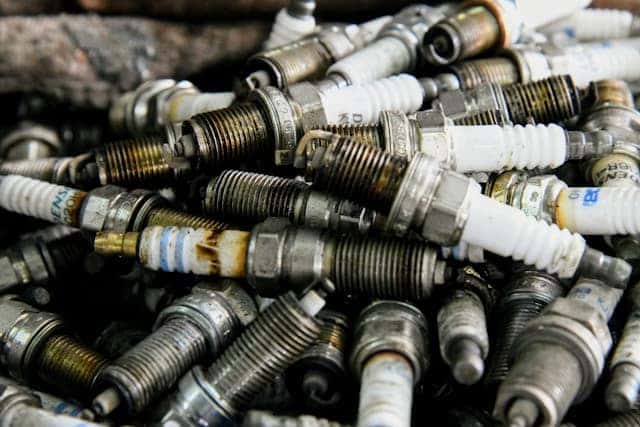
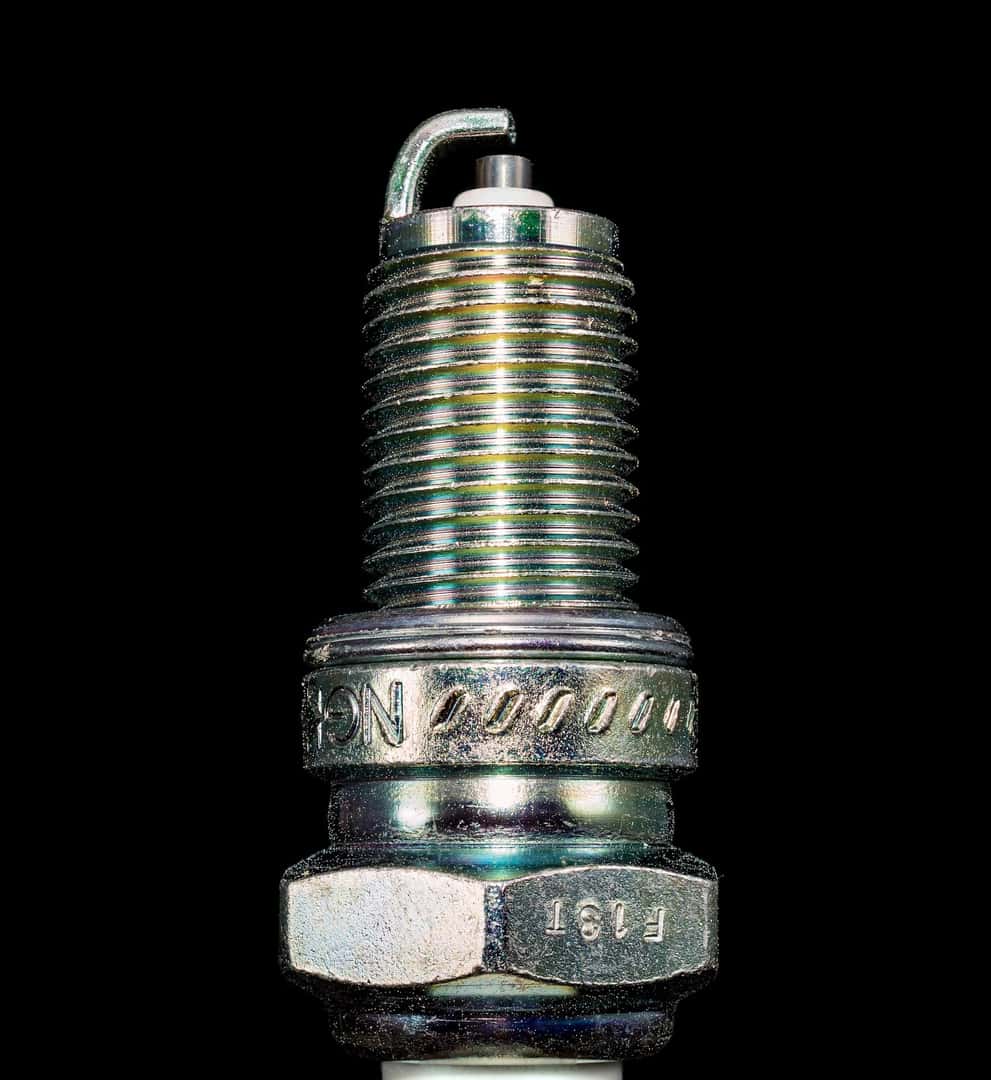
When it comes to the smooth operation of your vehicle, spark plugs may not be the first component that comes to mind, yet they play an indispensable role in your car's engine performance. These small devices ignite the air-fuel mixture in the engine's cylinders, enabling your vehicle to start and run efficiently. Neglecting to maintain or replace spark plugs can lead to various problems, from reduced fuel efficiency to engine misfires. At Meadowland of Carmel, we're committed to keeping your vehicle in peak condition. This guide provides essential information about spark plugs, including how they work, how to identify when they need replacing, and the best practices for maintaining them. more Schedule Service Service Center Call Us How Spark Plugs Work Spark plugs are critical components in an internal combustion engine. They function as the ignition source for the air-fuel mixture, producing the necessary spark to initiate combustion. When you turn the ignition key, the vehicle's battery sends electrical energy to the spark plug, which generates a spark at the tip of the plug. This spark ignites the compressed air-fuel mixture in the engine's cylinders, causing a mini-explosion that pushes the pistons and ultimately powers the vehicle. This process is repeated thousands of times a minute while your engine is running, illustrating just how vital spark plugs are to your vehicle's operation. A well-functioning spark plug ensures efficient combustion, contributing to better performance and fuel economy. Life Span of Spark Plugs How long do spark plugs last? The average life span of spark plugs depends on several factors, but many standard plugs are designed to last between 30,000 and 100,000 miles. It's a good idea to consult your vehicle owner's manual for specific recommendations tailored to your car's make and model. The factors that influence a spark plug's life expectancy include: Type of spark plug: Copper spark plugs typically last around 20,000 miles, while iridium and platinum spark plugs can last up to 100,000 miles or more. Driving conditions: Frequent short trips or stop-and-go driving can cause spark plugs to wear out faster. Engine condition: Issues such as oil leaks or an improperly tuned engine can contribute to premature spark plug wear. Fuel quality: Lower-quality fuel can lead to deposits forming on spark plugs, reducing their effectiveness. To find the exact plug type and replacement components engineered for your model, explore our full catalog of Mopar parts and accessories. Identifying Worn-Out Spark Plugs Identifying worn-out spark plugs can help you better maintain your vehicle's performance. Here are some common signs you need to replace spark plugs: Engine misfires: If your engine struggles to start or runs unevenly, it could be a sign that your spark plugs are failing. Reduced acceleration: Difficulty picking up speed when you accelerate can indicate that your spark plugs aren't firing correctly. Poor fuel economy: If you notice a sudden increase in fuel consumption, it may be time to check your spark plugs. Strange noises: Knocking or rattling sounds coming from the engine can also suggest your spark plugs are malfunctioning. Check engine light: If your check engine light illuminates, it's a good idea to have your spark plugs inspected, as this can indicate misfires. If you experience any of these issues, don't hesitate to reach out to Meadowland of Carmel for a thorough inspection. Our team of expert technicians can help uncover the problem's root cause and resolve the issue. The Impact of Neglecting Spark Plug Replacement What happens if you don't change your spark plugs? Failing to replace worn spark plugs can have serious repercussions for your vehicle. Ignoring the need for replacement may lead to the following: Engine misfires: Continued use of worn spark plugs can cause persistent misfires, leading to uneven engine performance and potential engine damage. Poor fuel efficiency: Inefficient combustion can decrease your fuel economy by up to 30%, causing you to spend more at the pump. Increased emissions: Worn spark plugs can lead to incomplete combustion, resulting in higher emissions that are harmful to the environment. Engine damage: Prolonged neglect can cause additional strain on your engine, potentially leading to costly repairs or even engine failure. When and How To Replace Spark Plugs How often should spark plugs be replaced? It's generally a good idea to change them every 30,000 miles, but always check your owner's manual for specific recommendations. Additionally, if you notice any of the symptoms mentioned earlier, it's time to act. If you prefer doing your own vehicle maintenance at home, you can easily order genuine OEM parts online directly through our dealership. Here's a step-by-step guide to replace your spark plugs yourself: Gather your tools: You'll need a socket wrench, spark plug socket, gap gauge, and new spark plugs. Remove the ignition wires: Gently pull the ignition wires off the old spark plugs. Be careful not to damage the wires. Extract the old spark plugs: Use the spark plug socket and wrench to unscrew the old plugs from the engine. Check the gap: Before installing new spark plugs, use a gap gauge to ensure the gap is set to the manufacturer's specifications. Install new spark plugs: Carefully thread the new spark plugs into the engine by hand before tightening them with the socket. Reconnect the ignition wires: Push the ignition wires back onto the new spark plugs, ensuring a secure fit. Test your engine: Start the engine to ensure everything is functioning properly. Although replacing spark plugs can be a DIY task, it's always a good idea to have a professional handle the job. At Meadowland of Carmel, our skilled technicians are ready to assist with spark plug replacement and overall vehicle maintenance to ensure your car runs at its best. Benefits of Replacing Spark Plugs Regularly changing your spark plugs comes with a variety of benefits, including: Improved fuel economy: Fresh spark plugs ignite fuel more efficiently, leading to better fuel economy and savings at the pump. Smoother engine performance: New spark plugs facilitate consistent combustion, resulting in a smoother ride and more responsive acceleration. Reduced emissions: Healthy spark plugs contribute to cleaner combustion, helping to minimize your vehicle's environmental impact. Reliable starts: With new spark plugs, you can expect your engine to start easily and run without hesitation. Visit Our Auto Service Center in Carmel, NY Spark plugs are a small yet essential component of your vehicle's engine. Proper maintenance and timely replacement can prevent a range of issues and ensure optimal performance. If you think it's time for a spark plug replacement or if you have questions about your vehicle's maintenance, don't hesitate to contact Meadowland of Carmel. Our team is here to help you keep your vehicle running smoothly. If your engine is misfiring or struggling to start, don't wait— schedule a service appointment with our certified technicians today. Image credit: A pile of different types of screws on top of each other by Shraga Kopstein, licensed by Unsplash License

Jeep Service

How Often Should You Change the Transfer Case Fluid on Your Jeep?

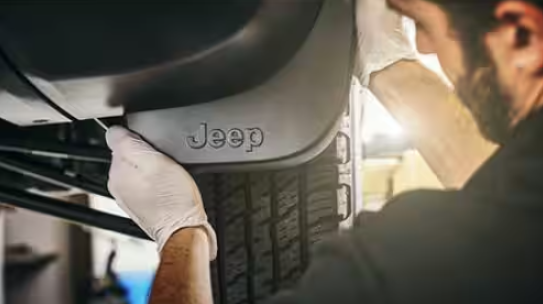
Your Jeep's transfer case works hard behind the scenes, splitting power between your front and rear axles to deliver that legendary four-wheel-drive capability you depend on. This essential component often gets overlooked during routine maintenance. Knowing when and why to change your transfer case fluid can save you thousands in repairs and keep your Jeep running strong, whether you're navigating Carmel's winter roads or tackling weekend trails. If you're due for service, schedule your service appointment at Meadowland of Carmel CDJR to keep your drivetrain protected. more Understanding Your Jeep's Transfer Case and Why It Matters What the Transfer Case Does in Your 4WD System Think of the transfer case as your Jeep's power distributor. This gearbox sits between your transmission and axles, controlling how engine power reaches all four wheels. When you shift into 4WD, the transfer case jumps into action, sending torque wherever you need it most. That means proper traction on slippery surfaces, steep hills, and rough terrain. Without well-maintained transfer case fluid, this crucial component can't protect metal gears from friction and heat. The fluid inside juggles multiple jobs: lubricating moving parts, pulling heat away, and keeping internal components clean. Over time, this fluid breaks down from constant pressure and temperature swings. Contamination from metal shavings and moisture cuts into its effectiveness. That makes regular fluid changes just as important as your engine oil maintenance. How Transfer Case Service Differs from Transmission Service Lots of Jeep owners confuse transfer case maintenance with transmission service, but these are completely separate systems that need different care. Your transmission manages gear changes and power delivery from the engine. The transfer case works downstream, handling power distribution to your axles. While they're connected, they use different fluids and follow different service schedules. Complete transmission service typically includes fluid exchange, filter replacement, and inspection of transmission components. Transfer case service focuses on draining old fluid and refilling with fresh lubricant designed for that gearbox's specific needs. Both services protect your drivetrain investment, but handling each system correctly ensures nothing gets missed. Recommended Transfer Case Fluid Change Intervals for Jeeps Factory Guidelines for Common Jeep Models Jeep's factory maintenance schedules vary significantly by model, year, and drivetrain. For the Jeep Wrangler JL, the owner's manual specifies inspecting transfer case fluid every 30,000 miles and changing it at 60,000 miles for vehicles with a manual transmission or under severe-duty use, with the automatic transmission variant potentially going longer under normal conditions. Grand Cherokee models vary widely, with some owner's manuals specifying change intervals of 104,000 to 120,000 miles under normal use. Because intervals differ so much, consulting your specific owner's manual or a factory-trained technician is essential for your exact vehicle. Factory-trained technicians at our service center can also verify the recommended schedule during routine maintenance visits. Following these guidelines helps maintain your warranty coverage and ensures your four-wheel-drive system operates as designed. Severe Driving Conditions That Require More Frequent Changes Severe driving conditions demand more frequent service, and Jeep's factory severe-duty schedules reflect this. For the Grand Cherokee under severe-duty use (off-roading, frequent towing, police or fleet service), the factory interval is typically 60,000 miles. Deep water crossings, extended idling, and short trips in extreme temperatures also count as severe use. If you regularly trailer boats or campers, hit muddy trails, or plow snow during Carmel winters, your Jeep experiences harder-than-average wear. How Your Driving Habits Around Carmel Affect Fluid Life Off-Roading, Towing, and Weekend Adventures Weekend adventures take a serious toll on transfer case fluid that daily drivers never see. Drop into 4WD Low on rocky trails or through deep snow, and your transfer case works overtime. The constant switching between two-wheel and four-wheel drive modes creates heat and pressure that speeds up fluid breakdown. Water and dirt intrusion during trail runs can contaminate the fluid, reducing its protective qualities. Towing adds another layer of stress. Whether you're hauling a boat to nearby lakes or pulling equipment for home projects, that extra weight forces your transfer case to work harder. This pushes operating temperatures up and breaks down fluid additives more quickly. Jeep owners who combine regular towing with occasional off-roading should consider checking transfer case fluid every 15,000 miles or annually, whichever comes first. Winter Driving and Daily Commuting Considerations Winter conditions around northern Westchester and Putnam counties create unique challenges for transfer case maintenance. Cold temperatures thicken fluid, reducing its ability to flow smoothly and lubricate moving parts during startup. Frequent use of 4WD on snowy roads means your transfer case sees more action than during summer months. Road salt and moisture can also work their way into the system through seals and vents, contaminating the fluid. Daily commuting might seem easy on your Jeep, but short trips prevent the transfer case from reaching proper operating temperature. This incomplete warm-up cycle allows condensation to build up in the fluid. Over months and years, this moisture contamination leads to corrosion and early wear. If you're noticing any issues with your four-wheel-drive system, contact our team for a diagnostic assessment. Warning Signs Your Transfer Case Fluid Needs Attention Your Jeep will definitely tell you when something needs attention. Strange noises from underneath the vehicle often signal transfer case trouble. Grinding, whining, or clunking sounds when shifting into or out of 4WD point to low or contaminated fluid. Don't ignore these noises because they represent metal-on-metal contact that damages internal gears. Difficulty shifting between 2WD and 4WD modes suggests your transfer case fluid has lost its effectiveness. You might notice the shifter fighting back or the system failing to fully engage. Some Jeep owners experience slipping during operation, where power delivery feels inconsistent or delayed. Checking the fluid level and condition can reveal whether you're dealing with low fluid, contaminated lubricant, or a more serious mechanical issue. Visible leaks beneath your Jeep point to seal failures that let fluid escape and contaminants enter. Even small leaks need immediate attention since low fluid levels quickly lead to overheating and component damage. Catching these warning signs early prevents expensive transfer case rebuilds or transmission repairs down the road. Jeep Transmission Service: What's Included and When You Need It Understanding the full scope of Jeep transmission service helps you maintain your entire drivetrain properly. Comprehensive service includes draining and replacing transmission fluid, swapping out the filter, and inspecting internal components for wear. Technicians check for metal particles in old fluid that might show developing problems and examine seals, gaskets, and connections for leaks or damage. Most Jeep models benefit from transmission service every 30,000 to 60,000 miles under normal conditions. Severe driving conditions call for more frequent attention. A transmission flush provides more thorough cleaning than a simple fluid change, removing built-up deposits and conditioning agents from throughout the system. Factory-trained technicians at Meadowland of Carmel understand the specific requirements of Jeep transmission systems. They use proper fluids and procedures recommended by the manufacturer. This matters because using wrong fluid specifications can cause shifting problems and early wear. Professional service also includes road testing to verify smooth operation across all gear ranges. Professional Service vs. DIY: Making the Right Choice for Your Jeep Some Jeep owners handle transfer case and transmission maintenance themselves to save money. DIY service can work if you have mechanical skills, proper tools, and a suitable workspace. You'll need a way to safely lift the vehicle, catch and dispose of old fluid properly, and source the correct replacement lubricants. Transfer case fluid changes are generally more straightforward than full transmission service since they involve basic drain and fill procedures. Professional service offers distinct advantages worth considering. Certified technicians spot potential issues during routine maintenance that untrained eyes might miss. They have access to specialized tools and diagnostic equipment. Dealership service creates documented maintenance history that supports warranty claims and increases resale value. The cost at a professional shop includes expertise, proper disposal, and peace of mind that everything was done correctly. Your choice depends on your comfort level with automotive maintenance and the complexity of the work needed. Simple fluid changes suit confident DIYers. Diagnosing transmission issues or addressing unusual symptoms calls for professional attention. Schedule Your Jeep Transfer Case and Transmission Service in Carmel Regular maintenance keeps your Jeep running smoothly and preserves its legendary capability. Staying current with transfer case and transmission service prevents small problems from becoming major gearbox repairs. The service team at Meadowland of Carmel understands the unique demands that driving throughout northern Westchester and Putnam counties places on your vehicle. Their factory-trained technicians use genuine Mopar parts and fluids designed specifically for your Jeep model. Convenient Scheduling and Service Hours Located at 1952 US-6 in Carmel, Meadowland of Carmel CDJR makes scheduling convenient. Service hours run Monday through Friday from 7:30 AM to 5 PM and Saturdays from 8 AM to 3:30 PM. Call 845-842-7355 to discuss your Jeep's maintenance needs and set up an appointment. Whether you need routine maintenance or have concerns about unusual sounds or shifting behavior, their team provides honest assessments and quality work. Decades of Experience Serving Hudson Valley Jeep Owners Don't wait until warning lights appear or problems develop. Proactive maintenance costs far less than addressing neglected transmission problems or transfer case failures. Part of the Volz Auto Group, Meadowland of Carmel brings decades of experience serving Jeep owners throughout the Hudson Valley. Their commitment to customer service and technical excellence ensures your vehicle receives the attention it deserves. Book your Jeep service today and keep your adventure-ready vehicle performing at its peak.

Ram eTorque Maintenance

Ram 1500 eTorque Maintenance: Battery & Hybrid System Service Tips

Your Ram 1500's eTorque system is a clever mix of old-school truck muscle and modern efficiency tech. This mild hybrid setup works quietly in the background, giving you smoother acceleration and better fuel economy through a built-in electric motor-generator. Knowing how your eTorque system operates can prevent surprise breakdowns and expensive repairs down the road. At Meadowland of Carmel CDJR, we help Putnam County truck owners protect their investment with specialized service for these advanced systems. Schedule your eTorque service to keep your hybrid system running reliably for years ahead. Whether you're hauling equipment through Putnam County or commuting along Route 6, your hybrid system faces specific challenges that impact its long-term reliability. more Understanding Your Ram 1500 eTorque System The eTorque system operates differently than most people expect from a hybrid. Instead of running as a separate power source, the belt-driven motor-generator unit helps your gasoline engine during acceleration and grabs energy when you're slowing down. This 48-volt system takes the place of your regular alternator, pulling double duty as both starter motor and power generator. Press the accelerator and the electric motor delivers instant torque assistance, bridging the gap before your engine hits its power sweet spot. The system also lets your Ram shut off the engine at red lights without that annoying shudder you'd get from a typical start-stop system. The eTorque battery pack stores captured energy for later use, positioned behind your rear seat. This spot protects it from engine heat while keeping weight distribution balanced. Everything integrates with your truck's computer network, constantly watching performance and adjusting operation based on how you're driving. eTorque Battery Care and Longevity Your eTorque battery is quite different from both regular car batteries and full hybrid battery packs. This lithium-ion Nickel Manganese Cobalt (NMC)-Graphite unit runs at higher voltage and needs different care than the 12-volt battery under your hood. The eTorque battery is covered under Ram's Federal Emissions Warranty for 8 years or 80,000 miles, whichever comes first. Actual battery longevity beyond the warranty period will vary depending on driving patterns, climate, and maintenance history. Temperature plays a huge role in battery health. Cold weather temporarily cuts capacity, while ongoing heat speeds up chemical breakdown inside the cells. Your battery's spot behind the rear seat offers some protection, but it's not immune to the seasonal temperature swings we get here in New York. Using your truck regularly actually helps your eTorque battery more than letting it sit idle. The system needs steady charge-discharge cycles to keep cell balance in check. Short trips aren't as much of a concern as they are for regular batteries, since regenerative braking constantly tops off the charge. What Affects Your eTorque Battery Health Charging patterns have a big impact on your battery's lifespan. Highway driving provides steady charging from engine operation, while frequent stops create regenerative braking opportunities. Both scenarios help battery health when they're balanced right. Your electrical system's overall condition matters more than you'd think. Corroded connections or failing components can force the eTorque system to work harder, putting unnecessary stress on the battery. Clean terminals and tight connections ensure efficient power flow, reducing strain on the whole hybrid system. Software updates directly affect battery management strategies. Ram releases updates periodically that fine-tune charging algorithms and improve battery protection protocols. Missing these updates means your system runs with outdated logic that might not give your battery pack the best protection. Towing and hauling put extra demands on your eTorque system. The electric motor helps with initial acceleration, but heavy loads need more frequent cycling. This increased workload won't damage the system when it's properly maintained, but it does highlight why staying current with your service schedule matters. Signs Your Battery May Need Attention Dropping fuel economy often serves as an early warning of battery trouble. When your eTorque battery can't hold a proper charge, the system gives less electric assist, making your engine work harder. You might see this as a gradual drop in your usual MPG numbers, especially during city driving where the electric motor should help most. Sluggish acceleration tells a similar story. The eTorque system should give instant torque response when you hit the accelerator. Hesitation or reduced power during initial acceleration might mean your battery lacks the capacity to provide full electric assist. Dashboard warnings give the most obvious sign that something needs attention. Your instrument cluster will show specific eTorque-related messages when the system spots battery issues. Don't ignore these warnings since they point to problems that could get worse without intervention. Changes in how your start-stop system behaves can reveal battery health problems. If your engine restarts more roughly or the start-stop function kicks in less often, your battery may struggle to deliver the smooth operation Ram built into the system. Recommended Service Intervals for eTorque Systems Ram maintenance for eTorque models follows specific intervals that differ slightly from conventional powertrains. Your first major inspection should happen at 25,000 miles, when technicians check battery health, electrical connections, and system operation. This early checkup creates baseline performance data for comparison during future service visits. Regular intervals at 50,000 and 75,000 miles include thorough eTorque system evaluations. Technicians run diagnostic tests to check battery capacity, look for software updates, and inspect the motor-generator unit for proper function. These inspections catch developing issues before they cause breakdowns or hurt performance. Annual inspections make sense no matter what your mileage looks like, especially if you drive less than 12,000 miles yearly. Sitting idle creates its own challenges for hybrid systems, and yearly checkups make sure everything stays in proper working order despite limited use. Our service center can help you set up a maintenance schedule that fits your specific driving patterns. Don't forget your 12-volt battery during service appointments. While attention focuses on the eTorque system, your traditional battery still powers critical vehicle functions. A failing 12-volt battery can trigger error codes and system malfunctions that look like eTorque problems. Warning Signs Your eTorque System Needs Service Dashboard Indicators and Error Codes Your instrument cluster shows specific warnings when it spots eTorque system problems. A battery symbol with text indicates issues with the hybrid battery pack itself. This warning might show up alongside reduced power messages, depending on how serious the detected problem is. Check engine lights can come on for eTorque-related issues, though they also appear for countless other reasons. Professional diagnostics tell the difference between minor sensor glitches and serious system problems. Ignoring check engine lights risks turning minor issues into major repairs. Service hybrid system messages need immediate attention. This warning means your vehicle detected problems serious enough to limit system operation or enter a protective mode. Continuing to drive with this warning displayed may cause additional damage or leave you stranded if the system shuts down completely. Performance Symptoms to Monitor Power delivery should feel seamless throughout your acceleration range. If you notice distinct transitions where electric assist cuts in or out, or if acceleration feels choppy during normal driving, your system needs evaluation. Properly functioning eTorque systems provide smooth transitions between electric and engine power. Unusual sounds from your engine compartment need immediate attention. The eTorque motor-generator should run silently during normal conditions. Grinding, whining, or clicking noises suggest mechanical problems with the unit itself or its belt drive system. Start-stop operation quality reveals system health. Your engine should restart smoothly and quietly when you release the brake pedal. Rough restarts, extended cranking time, or complete failure of the start-stop function all point to potential problems requiring professional diagnosis. How Carmel and Putnam County Driving Affects Your eTorque Local driving conditions create unique demands on your eTorque maintenance needs. The hills and elevation changes throughout Putnam County give your regenerative braking system plenty of chances to recover energy. Going downhill lets the system act as an engine brake while recharging the battery. Winter weather creates specific challenges for hybrid technology. Cold temperatures reduce battery efficiency temporarily, though your system includes heating elements to maintain optimal operating conditions. Ice and snow on local roads mean more salt exposure, making regular undercarriage cleaning essential for protecting electrical connections and battery pack mounting hardware. Stop-and-go traffic through Carmel and along Route 6 favors eTorque operation. The frequent acceleration and deceleration cycles maximize electric assist and regenerative braking benefits. However, this traffic pattern also means more start-stop cycles, placing greater demands on the motor-generator unit compared to mainly highway driving. Seasonal temperature extremes affect reliability expectations. Summer heat penetrating through your rear seat area can stress the battery pack, while winter cold reduces available capacity. Parking in a garage when possible moderates these temperature swings, extending battery life and maintaining consistent performance year-round. DIY vs. Professional eTorque Maintenance Basic maintenance tasks stay within reach of most truck owners. Keeping your battery terminals clean, checking electrical connections for corrosion, and monitoring fluid levels need no special equipment. These simple checks catch developing problems before they turn into expensive repairs. eTorque system diagnostics require specialized equipment most home mechanics don't have. Checking battery cell balance, running voltage tests, and accessing hybrid system control modules need professional scan tools. Attempting complex diagnostics without proper equipment risks misdiagnosis and unnecessary parts replacement. Software updates must be done by qualified technicians with access to Ram's latest programming. These updates often include critical safety improvements and performance optimizations. Skipping updates because you prefer DIY maintenance puts your vehicle behind on important improvements. Electrical system repairs on hybrid vehicles carry additional safety considerations. The 48-volt eTorque system operates at voltages that can cause serious injury without proper precautions. High-voltage service work should always be left to trained professionals who understand the necessary safety protocols. Protect Your eTorque Investment at Meadowland of Carmel CDJR Why Choose Factory-Trained Service Professional service at Meadowland of Carmel CDJR ensures your eTorque system gets proper care from technicians equipped with specialized diagnostic tools these systems require. Our factory-trained technicians understand the unique requirements of Ram's hybrid technology and have access to the latest software updates and genuine Mopar parts. Regular service appointments create documentation that proves valuable during warranty claims or when selling your truck. Documented maintenance shows responsible ownership and can significantly impact resale value. Schedule Your Service Today We make maintaining your truck convenient with service hours Monday through Friday from 7:30 AM to 5 PM and Saturdays from 8 AM to 3:30 PM. Call our service department at 845-842-7355 or schedule your eTorque service appointment online. Your Ram represents a significant investment that deserves expert care from technicians who specialize in these advanced systems. Visit us at 1952 US-6 in Carmel, NY to ensure your eTorque system gets the attention it requires for years of dependable performance.

Jeep Maintenance

Essential Spring & Fall Maintenance Tips for Your CDJR Vehicle

Your Chrysler, Dodge, Jeep, or Ram vehicle faces unique challenges when seasons shift in Carmel, NY. Months of road salt attack undercarriage components while freeze-thaw cycles test seals and gaskets. Then summer heat pushes cooling systems to their limits. We see these patterns firsthand at Meadowland of Carmel CDJR, serving drivers throughout northern Westchester and Putnam counties who navigate these exact conditions daily. Seasonal transitions are critical maintenance windows that determine whether your CDJR vehicle handles the next season confidently or leaves you stranded. Spring care addresses winter damage before minor issues escalate. Fall preparation ensures survival through another harsh northeast winter. Let's walk through what your CDJR vehicle needs when temperatures shift, separating quick checks you can handle from tasks requiring professional attention. more Why Seasonal Maintenance Matters for Your CDJR Vehicle Your Ram truck doesn't maintain itself between oil changes. Neither does your Jeep Wrangler or Dodge Durango. Seasonal maintenance catches problems before they strand you on Route 6 during a snowstorm or leave you overheating on I-684 in July. Weather changes stress different vehicle systems. Winter cold drains batteries and thickens fluids while salt corrodes metal. Summer heat stresses cooling systems and degrades rubber components. Your CDJR vehicle needs different attention in April than October, and timing this maintenance with seasonal transitions prevents expensive repairs. Regular seasonal checks also protect warranty coverage. Whether you recently purchased from our new vehicle inventory or you're maintaining a reliable used CDJR, documented seasonal service proves you upheld maintenance responsibilities. Safety matters most. Brake performance, tire traction, and visibility systems keep you safe when Carmel roads turn icy or summer storms reduce visibility. These aren't optional items but essential safety systems requiring seasonal attention. Essential Spring Maintenance After Winter Winter beats up every vehicle navigating salted roads and sub-freezing temperatures. Spring maintenance is damage control after months of harsh conditions specific to our area. Recovering from Salt Damage and Winter Wear Road salt destroys vehicle components with alarming efficiency. It accelerates corrosion on your CDJR vehicle's undercarriage, brake lines, exhaust system, and frame. After months of salted roads around Carmel, your vehicle needs thorough attention before rust penetrates deeper. Professional undercarriage cleaning removes accumulated salt and grime from hard-to-reach areas. Garden hoses can't match the pressure and coverage professional equipment provides. Our technicians inspect for existing corrosion while cleaning, catching rust spots early when treatment costs less than replacement. Brake components deserve special attention. Salt attacks brake lines, potentially causing failure when you need stopping power most. Corroded brake hardware affects pad performance and creates safety risks. Suspension components also suffer, with bushings and ball joints deteriorating faster under salty conditions. Don't assume visible cleaning handles hidden damage. Salt penetrates seams and crevices where moisture lingers, continuing corrosion long after roads dry. Professional inspection identifies trouble spots before they compromise safety or require expensive repairs. Cooling System and A/C Preparation Your CDJR vehicle kept you warm through winter. Now it needs preparation for summer heat that tests cooling capacity differently. Check coolant levels and condition first. Coolant breaks down over time, losing its ability to transfer heat and protect against corrosion. Brown or rusty coolant signals replacement time. Hoses and belts also need attention since winter temperature swings crack rubber, creating failure risks when heat increases pressure. Your A/C system sat mostly unused through winter. Testing it early reveals refrigerant leaks or compressor issues before you desperately need cooling in July. Strange smells often indicate mold growth in the evaporator, common in our area's humid conditions. Professional HVAC service addresses these issues before they affect comfort or require costly repairs. Radiator and condenser fins also need attention. Road debris and salt accumulation blocks airflow, reducing cooling efficiency and potentially causing overheating during summer driving. Spring Tire and Visibility Checks Tires and visibility systems took constant abuse through winter. Spring offers a perfect checkpoint before summer demands peak performance from both. Start with tire pressure. Temperature swings dramatically affect inflation. Every 10-degree increase adds roughly one PSI. Proper inflation improves fuel economy, extends tire life, and ensures safe handling. Check pressure when tires are cold for accurate readings. Tread depth matters more than most drivers realize. Shallow tread reduces traction in rain, increasing hydroplaning risks during spring storms common to Westchester and Putnam counties. Use the penny test: insert a penny into tread with Lincoln's head upside down. If you see his entire head, replacement time has arrived. Uneven wear patterns signal alignment issues requiring professional correction. Inspect tires for winter damage. Potholes created by freeze-thaw cycles cause sidewall bubbles and internal damage not always visible externally. These weak spots risk sudden failure at highway speeds. Windshield wipers worked overtime battling winter precipitation. Replace blades showing cracks, tears, or streaking. Spring rain demands clear visibility. Top off washer fluid too as spring pollen and road grime require frequent cleaning. Check all exterior lights. Moisture entering assemblies during winter affects bulb performance and creates safety hazards. Replace any burned-out bulbs immediately. Essential Fall Maintenance Before Winter Fall preparation determines whether your CDJR vehicle handles another Carmel winter confidently or leaves you calling for roadside assistance when temperatures drop. These checks belong on your autumn to-do list before the first frost arrives. Battery Health and Winter-Ready Fluids Cold weather kills weak batteries. Starting your engine requires more power when temperatures plummet, and older batteries lack the cranking amps needed for reliable starts. Testing battery health in fall identifies replacement needs before winter stranding occurs. Have your battery professionally tested. Free testing takes minutes and reveals whether your battery holds sufficient charge for winter demands. Corroded terminals also reduce electrical performance. Batteries typically last three to five years. Replace yours proactively if it's approaching this age. Winter-grade fluids protect your CDJR vehicle differently than summer formulations. Motor oil thickens in cold temperatures, making winter-weight oil essential for proper engine lubrication during cold starts. Antifreeze concentration also requires testing. Insufficient antifreeze allows coolant to freeze, potentially cracking your engine block. Transmission fluid, power steering fluid, and brake fluid also deserve attention. These hydraulic fluids degrade over time, losing protective properties and affecting system performance. Heating, Defrost, and HVAC Service Winter survival in Carmel requires functioning heat and defrost systems. Testing these now prevents discovering failures during January's worst cold snap. Weak heater output often signals problems with the heater core, thermostat, or coolant circulation. Strange smells when running heat indicate accumulated debris or mold requiring professional cleaning. Poor heating affects both comfort and safety. Defrost performance prevents dangerous ice buildup on windshields. Test both front and rear defrosters before winter arrives. Weak defrost often results from blocked vents, failed heating elements, or electrical issues. These repairs take minimal time when scheduled proactively but create major problems during winter storms. HVAC system service ensures all climate control functions work properly, including blend doors that direct airflow, ductwork integrity, and fan operation at all speeds. Fall Safety Preparations for Winter Driving Winter driving in northern Westchester and Putnam counties demands peak performance from safety systems. These fall checks ensure your CDJR vehicle handles whatever winter delivers. Tire Readiness and Winter Options Your tires provide the only contact between your vehicle and the road. Winter conditions test traction limits, making tire readiness critical. All-season tires work adequately in mild conditions but compromise performance in severe winter weather. Dedicated winter tires use specialized rubber compounds and tread patterns designed for snow and ice. Consider winter tire installation if you regularly navigate unplowed roads or hilly terrain around Carmel. For Jeep and Ram owners with AWD or 4WD systems, winter tires maximize traction capabilities. AWD helps you go but doesn't help you stop. Proper tires do. Matching tire types on all four wheels ensures balanced handling and prevents drivetrain stress. Check tire age regardless of tread depth. Rubber degrades over time. Tires older than six years require replacement regardless of appearance. The manufacturing date appears on the sidewall as the last four digits indicating week and year of production. Brake and Exterior Lighting Inspections Brakes and lights keep you safe when winter conditions deteriorate. These systems require professional inspection before winter arrives. Brake performance suffers from worn pads, contaminated fluid, and corrosion that winter accelerates. Have your brakes professionally inspected, including pad thickness, rotor condition, brake line integrity, and fluid quality. Thin pads need replacement before winter when stopping power matters most. Spongy brake pedals signal air in lines or worn components requiring immediate attention. Winter's reduced daylight makes exterior lighting crucial. Check headlights, taillights, brake lights, turn signals, and side markers. Replace any burned-out bulbs immediately. Dim headlights might need restoration or replacement as yellowed lenses scatter light poorly, reducing nighttime visibility. Keep emergency equipment in your vehicle before winter: ice scraper, jumper cables, flashlight, and basic tools. These items help you handle minor issues safely. Your Seasonal CDJR Maintenance Checklist Use these checklists as quick references when preparing your CDJR vehicle for seasonal transitions. While you can check some items yourself, professional service ensures thorough inspection and proper repairs. Spring Maintenance Checklist: Professional undercarriage wash and corrosion inspection Coolant level and condition check A/C system performance test Tire pressure adjustment and tread depth measurement Windshield wiper replacement if needed Washer fluid refill All exterior light function checks Battery terminal cleaning Brake component inspection for salt damage Fall Maintenance Checklist: Battery load test and terminal cleaning Winter-weight oil change Antifreeze concentration test Transmission and brake fluid condition check Heater and defrost system performance test HVAC system service Tire tread depth and condition assessment Winter tire installation consideration Brake system comprehensive inspection All exterior lighting function verification Emergency equipment stocking Schedule Your Seasonal Service at Meadowland of Carmel CDJR Your CDJR vehicle deserves expert attention from technicians who understand local driving conditions and brand-specific requirements. Our factory-trained service team combines Volz Auto Group's multi-dealership expertise with deep knowledge of challenges Carmel vehicles face seasonally. We use genuine Mopar parts designed specifically for your vehicle, ensuring proper fit and performance. Contact us online or call our service department at 845-842-7355 to schedule your seasonal service. We're open Monday through Friday from 7:30 AM to 5 PM and Saturdays from 8 AM to 3:30 PM at 1952 US-6 in Carmel. By staying on top of spring and fall maintenance, you can enjoy safer drives, improved efficiency, and peace of mind knowing your vehicle is ready for whatever the road brings.

How to Tell When Your Vehicle Lights are Failing

A vehicle's lights are some of its most important components, as they ensure safety while on the road by providing visibility at night and in extreme weather. Headlights, taillights, and brake lights keep you safe by signaling your presence to other drivers. When your car's lights fail, you'll experience reduced visibility and might encounter legal issues, especially if you get pulled over while one of your exterior lights is out. At Meadowland of Carmel in New York, we know how crucial it is for your vehicle to have working interior and exterior lights. That's why we operate a comprehensive service department where our expert technicians will repair or replace any lights on your vehicle that aren't working properly. Visit us the next time your lights fail to experience our outstanding service. Before you visit, let's look at how to tell when your vehicle lights are failing and what you can do about it. Understanding Different Vehicle Lights Here's a list of the most common types of vehicle lights and their purposes: Headlights: Headlights are at the front of the vehicle and provide visibility in the dark and during rainy or snowy weather. Brake lights: These sit at the back of the car and signal to vehicles behind you that you're applying the brakes and slowing down. Indicators: Turn signals are an example of indicators which flash to inform other drivers that you're about to turn. There are also emergency light indicators that flash when you stop the car for emergency reasons. Interior lights: The overhead lights in the interior illuminate the cabin so you can see inside your vehicle. Daytime running lights: These are specialized headlights for use during the day without directing too much glare at other drivers. Signs of Failing Lights There are many signs to look out for that can inform you of light failure or damage. For example, when your lights dim, flicker, or emit unfamiliar patterns or colors, they usually have a dying bulb that needs replacing. Similarly, if your lights don't turn on or off when they should, an issue likely needs repairing. Many vehicles have indicator lights on the dashboard that will turn on when there's a problem with the exterior lights. Common Causes of Light Failure The most common causes of light failure in cars include burnt-out light bulbs and damage from collisions or weather. For example, condensation on headlights during warm months interferes with the bulbs and wiring. Additionally, an exterior light damaged in an accident will likely not function correctly until it's professionally repaired. Electrical issues are another key cause of light problems in cars. These can include wiring malfunctions, such as frayed or disconnected wires. They can also include battery issues like a dead battery or shorted circuit. Whether the voltage is too high or too low, electrical malfunctions can harm a car's lights. Checking and Maintaining Vehicle Lights To ensure your lights are always working, regularly test them by turning on each light, especially ones you haven't used in a long time. You can also perform DIY maintenance to keep your lights looking good and working as they should. For example, you can clean your lights with a vinegar solution and turn your car off completely after every drive to allow the battery to recharge. If you suspect your vehicle's light malfunctions are due to an electrical issue or if your vehicle uses complex lighting assemblies that are difficult to remove, it's time to seek professional help. In these cases, it's best to schedule a service appointment so a professional technician can safely repair the electrical components and remove all assemblies correctly. Replacing Vehicle Lights When your car's lights need replacing, there are a few things to consider before you get started. First, ensure you choose the right bulbs for your vehicle, as bulbs that aren't compatible with your car likely won't connect or function properly. Taking safety precautions when changing lights, such as wearing gloves and safety glasses and ensuring you turn the car off to prevent electrocution is also crucial. Here's a step-by-step guide for replacing your headlights: Turn off your car. Open the hood to find the headlight wires. Disconnect the headlight wires. Take out the old headlight bulb. Install the new headlight bulb. Reconnect the wires and test the headlights. Here's a step-by-step guide for replacing your brake lights or taillights: Turn off your car. Open the trunk to find the taillight assembly. Remove the taillight assembly. Take the bulb out of the taillight assembly. Install the new taillight bulb. Reinstall the taillight assembly. Legal Implications and Safety Concerns There are several legal regulations surrounding vehicle lights. These laws ensure all cars on the road have headlights that offer adequate visibility so drivers can see their surroundings and other vehicles. Another aspect of vehicle light regulation is glare. The government has regulations in place to reduce the glare your headlights direct toward other drivers. For instance, there's a law requiring headlight systems to have both upper and lower beams. The main reason for this law is that functional and non-distracting vehicle lights promote safety for everyone on the road. Drivers are less likely to get into accidents when they can see everything around them clearly, including other cars highlighted by their lights. One case study from 2023 supported earlier findings that daytime running lights improve safety by reducing the frequency of multi-vehicle collisions during the day. This showcases how different types of vehicle lights help protect everyone while driving. Service Your Lights at Meadowland of Carmel Being able to recognize the signs of failing vehicle lights is crucial. It's important to get regular maintenance and replace your lights promptly when they stop working. This will help you stay safe on the road and ensure you comply with traffic laws. Contact us if you notice one of your vehicle lights is failing, and our expert service department will repair or replace them. Don't forget to ask about our service specials that will save you money when you book an appointment to service your lights with us. Photo Credit: turned-on vehicle headlight on the street by Marcus Bellamy is licensed with Unsplash License

How to Tell if You Need Your Brakes Replaced?

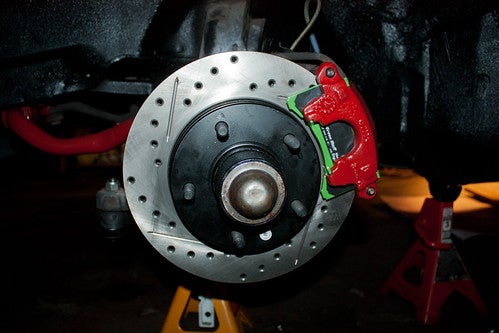
Is there anything more vital to your road safety than your vehicle's ability to stop when needed? Few things match the importance of well-functioning brakes when you're behind the wheel. They're one of the most critical parts of the vehicle and crucial to a safer ride. The best way to keep your brakes in optimal condition is to stick to a strict maintenance schedule. This includes replacing brake pads and shoes when they show wear and tear. If you're unsure when or how to maintain your brakes, this Meadowland of Carmel, New York guide will tell you everything you need to know. Brake System Maintenance Brake systems operate using multiple different parts. A malfunction in any of these parts can lead to diminished braking capabilities or, in extreme cases, complete brake failure. Routine maintenance includes checking and replacing brake pads, addressing warped rotors and damaged components, and replacing brake fluid. Regular attention to these tasks and prompt attention to the warning signs of wear and tear will ensure a smooth and safer driving experience. The Warning Signs: What To Look Out For Understanding the signs of worn brakes can help you avoid potential dangers and reduce the risk of expensive repairs. A proactive approach to early warning cues can make a substantial difference to your driving experience and safety on the road. Here are some common signs that require careful attention. Distinct Sounds Distinct sounds when you brake, such as squeaking, squealing, or grinding, often signal worn brake pads or shoes. These high-pitched noises are an intentional feature, designed to signal that components are wearing thin and require replacement soon. These noises result from the friction between the brake pads and the rotor or the brake shoes and the drum. Loud brakes don't always mean you need new ones. Odd sounds could indicate glazed rotors, resulting from excessive braking that heats and damages the metal. If any of these sounds are present, it's a cue to schedule a brake inspection with a qualified technician without delay. Unusual Odors Brakes emitting unusual, strong-smelling odors, such as a burning smell, can signal overheating or excessive brake pad wear. Overheating brakes can lead to a decline in braking performance and damage the entire braking system if left unattended. Excessive brake pad wear poses similar risks and affects the brake's ability to grip and stop the vehicle. If you detect any unusual smells coming from your brakes, it's best to take action to maintain safe and effective braking performance. Leaks and Brake Fluid To maintain the effectiveness of your braking system and prevent potential safety hazards, a brake fluid leak requires urgent attention. Brake fluid plays a critical role in transferring the force applied by your foot on the brake pedal to the actual braking mechanism. If you notice a pool of fluid beneath your car, there may be a leak in your brake lines or main cylinder, or your vehicle may have heavily worn brake pads. Indicator Lights Auto manufacturers equip modern vehicles with essential dashboard warning lights, such as the Anti-lock Braking System (ABS) and brake pad replacement warning lights. When these lights come on, it's a clear sign your vehicle needs a brake inspection. Worn brake pads can exhaust brake fluid, triggering your car's ABS warning indicator light. Veering to One Side Uneven brake pad wear and malfunction of brake calipers can cause your car to veer to one side. The caliper piston is a component in the braking system that houses the brake pads and squeezes them against the rotor when you press the brake pedal to decelerate or bring your vehicle to a complete stop. When your vehicle pulls to the left or right during braking, it may lead to reduced control, compromised safety, and uneven tire wear. If you notice this symptom, your vehicle needs a thorough brake inspection. When To Consider Brake Pad Replacement Apart from the obvious warning signs that your car's brakes have deteriorated, regular visual inspections are essential. Be sure to consult your owners manual for manufacturer-recommended intervals between brake pad inspections and replacements. Although most brake pads can endure for two or three years, you can align your brake checks with your routine maintenance schedule approximately every six months. You can swap out your brake pads or shoes around every 30,000 to 35,000 miles if you navigate city streets. But if you're more of a highway cruiser, you might stretch that to 80,000 miles. Regular brake inspections by a skilled technician can detect potential issues early on, allowing you to take action before problems escalate. The Benefits of Scheduled Brake Maintenance Timely brake pad replacements are vital to a responsive and secure braking system. Here are some benefits of scheduled brake maintenance. Passenger safety: Regular brake maintenance ensures safer drives and confident stopping power, putting you in control. Economy: Investing wisely in regular brake maintenance helps to avoid pricier repairs later. Brake longevity: Consistent upkeep prolongs the life of your brake components, maximizing the return on your investment. Improved performance: Optimized brakes contribute to smoother driving and overall vehicle effectiveness. Environmental responsibility: Well-maintained brakes reduce your vehicle's environmental footprint by improving fuel efficiency. Resale value: You can elevate your vehicle's resale value by showing off well-maintained brakes, which may be appealing to potential buyers. Are Your Brakes Due for Replacement? When you detect any warning cues, it's time to consider a brake replacement check. You can maintain your car's efficiency by staying alert and attending to the warning signs of run-down brakes. If your vehicle needs a brake service and you have questions, contact us or stop by Meadowland of Carmel, New York. Our friendly team and service experts are ready to help you maintain your vehicle's peak performance. Scheduling a brake service before hitting the highway helps you stay road-ready. Photo Credit: Image by Benjamin Brunner is licensed with Unsplash License

How Often Should You Change Your Oil?

To keep your vehicle in great shape, you must change the oil regularly. But how long should you wait between changes? You don't want to wait too long, as this could cause problems with the vehicle, and the cost of changing it too frequently soon adds up. Below, we'll answer how often you should change your oil, along with why you should make an oil change one of your top priorities as a vehicle owner. Schedule An Oil Change How Often Should You Change Your Oil? How often you should change your oil depends on a few factors. Generally speaking, car manufacturers recommend changing your oil every 7,500 to 10,000 miles. Changing your oil this often typically results in better engine protection. However, there are a few factors to consider that may alter these adjustments. For example, if you use your vehicle for "severe" driving, then you'll want to change your oil more frequently. Severe driving includes things such as making many short trips under 5 miles, driving in extremely hot weather, driving at low speeds for long distances, taking your vehicle off-road, racing your vehicle, or using your vehicle to tow something over long distances. Driving in these sorts of conditions can put extra strain on your engine, which is why we recommend that you change your oil a little more frequently. You'll also want to consider the age of your vehicle. Newer vehicles use synthetic oil, which lasts longer. If you're driving an older vehicle, it may use regular oil, which doesn't protect the engine as well. In this case, you may want to change your oil every 5,000 miles or so. Lastly, if you have a new vehicle that's still under warranty, this can impact when you should get an oil change. To ensure you don't void the powertrain warranty, you'll want to bring your vehicle in for an oil change at the recommended intervals within your owner's manual. Your vehicle may even have a built-in oil-life monitor, which uses real-time data to alert you when it's time for an oil change. Check the various menus in your dashboard to see if there are any alerts related to getting an oil change. In short, to determine when to get an oil change, all you need is a little common sense. Take the recommendation of 7,500 to 10,000 miles and adjust it based on your personal driving habits. If you think your driving habits may warrant getting an earlier oil change, you certainly won't do any harm by replacing it early. Benefits of a Regular Oil Change Getting a regular oil change is one of the best things you can do for any vehicle. When you regularly change the oil, you get a few key benefits, including: Better Performance Regular oil changes lead to better performance. Your engine is a finely tuned piece of machinery. It relies heavily on clean engine oil to operate at its best. As engine oil degrades, the engine has to work harder and as a result, loses efficiency and power. If you want to get the most out of your engine, you should change the oil at regular intervals. Better Protection By changing your vehicle's oil regularly, you're helping to protect your engine in the long run. As we said, when an engine has dirty oil, or when it's low on oil, it doesn't operate as efficiently. This leads to the engine having to work harder, which can result in damage. Since engine repairs are some of the most expensive you can face as a car owner, you should do what you can to avoid them. When compared with the cost of engine repairs, an oil change every few months is a small price to pay. Retain Vehicle Value A vehicle that receives regular oil changes will retain more of its value. When it finally comes time to sell or trade-in your vehicle, you'll want to get as much for it as you can. One of the factors potential buyers will look at is how well you cared for the vehicle. A vehicle history report will show how often you received oil changes, which will let potential buyers know what sort of condition the engine is in. Schedule regular oil changes now, and you'll be glad you did when the time comes to sell or trade your vehicle. Signs You Need an Oil Change While it's a good idea to change your vehicle's oil at regular intervals, there are also signs that may indicate it's time to change your oil. For example, if you notice that your vehicle doesn't accelerate as fast as it used to, it could be due to poor engine oil quality. Similarly, if your vehicle takes longer to start up, it could be because the engine oil isn't moving as quickly through the engine, something that an oil change can remedy. Look out for any strange noises or smells. If you hear a knocking sound while you're driving, this is often the result of needing an oil change. You may also notice a burning smell, which is a common sign that you have an engine oil leak. In either case, it's important to have an expert service technician investigate the issue as soon as you can, otherwise, it could lead to lasting damage and expensive repairs. Schedule Your Next Oil Change at Meadowland of Carmel When you need an oil change near Carmel, New York, bring your vehicle to Meadowland of Carmel. Our expert service team will be happy to assist you, quickly performing an oil change and getting your vehicle back to you in no time at all. We can also answer any questions you may have about getting an oil change, such as what type of oil to use, how often to change the oil for your specific make and model, and how to check your oil in-between visits. To get started, please schedule an appointment online today, stop by during business hours, or contact us at any time. Photo Credit: Image by Kenny Eliason is licensed with Unsplash License

Tire Technician replacing a wheel

How To Tell If You Need New Tires

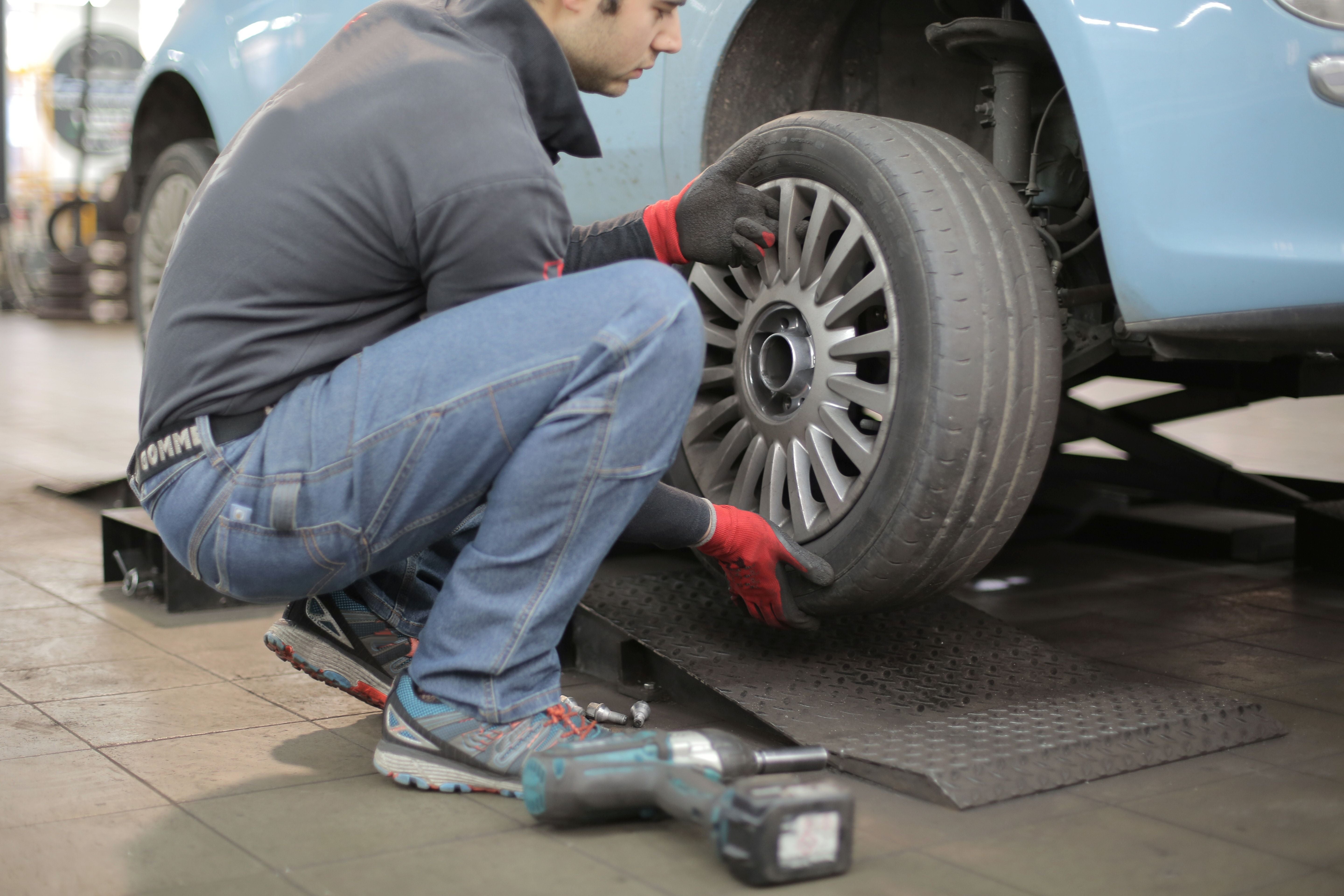
As you know, your tires need to be in good condition to enable you to drive safely. Without a complete set of well-conditioned tires, driving may not be possible at all. Therefore, keeping your tires well-maintained is vital so you can get to work, visit family, or go away for a weekend. Signs It's Time for New Tires There are several ways to tell whether it's time to buy new tires. Your mechanic can look at your tires during your routine maintenance visits, or you can stop by for a tire check. We offer tire pressure and wear checks in our express lane. There are also some key changes you can look for at home, which we'll talk about next. Tread Depth As you drive on your tires, the tread will naturally wear down over time. Your tire tread is essential to help you maintain a good grip on the road, so when the tread gets low, you can start to slip, especially on wet surfaces. You may need to change your tires sooner if you often driving in adverse weather. The lowest you should let your tread get is 1/16th of an inch in depth. You can measure this using a gauge, or you can slip a Lincoln-head penny into the tread. If Lincoln's entire head is exposed, your tread is too low. Tread Wear Indicator Bars If you look at your tire tread, you may notice bars of rubber placed perpendicular to the tread. These are tread wear indicator bars. They won't be easy to spot if the tires are brand new, but as the tread wears down, they'll become easier to see. The closer the tread wears down toward these indicator bars, the sooner you need to replace your tires. If you drive through a wet patch, you can also see the marks from the tread wear indicator bars left in your tire tracks. Uneven Wear As we mentioned above, it's normal for tire tread to wear down over time. However, the pattern of wear is also important. Tires should wear evenly, and uneven wear can be a sign of other problems with your tires, such as overinflation or underinflation, incorrect wheel alignment, not rotating your tires, steering, and suspension. Our express lane service offers tire rotation. Sidewall Cracks This problem isn't about wear but about the integrity of the tire sidewall. If you see cracks, cuts, or missing spots in the sidewall, your tires could be at risk of leaking or blowing out. Sidewall damage can be caused by factors that are mostly out of your control, such as sunlight, chemicals on the road, and tire aging, as well as impact damage, such as hitting rocks or potholes. Blisters and Bulges These are also signs of sidewall weakness. If you see an area of your tire that seems to be blistering out, then it's a sign that it's time to replace the tire. Bulges and blisters are spots where the internal part of the tire is weak, and air within the tire is pushing outward. These tires have a risk of blowouts, and you should replace them right away. Embedded Objects If objects such as nails or rocks are stuck in the tire, you should get a professional to check the tire out. Although a complete replacement may or may not be necessary, it's best not to ignore these embedded objects. They can lead to leaks or blowouts or allow moisture to enter the tire and damage the internal components. Valve Cap Damage If your valve cap doesn't tighten and seal properly, air can escape out, leading to a leaky tire and low pressure. Alternatively, dirt and moisture can get in through the loose valve cap. Insufficient or excessive tightening usually causes valve cap damage. Tire Pressure Warning It's normal to need to inflate your tires from time to time as they naturally lose some pressure. Typically, this is around 1 PSI per month. However, if you find yourself having to inflate your tires often or your tire pressure light indicator keeps switching on, you may have a problem with the tire constantly leaking. Rough Ride If you notice excessive vibration while you drive, your tires could be the culprit. This can happen with uneven tire wear. Other causes of increased vibration include problems with the suspension or the tire alignment. If the vibration isn't caused by a tire problem, it could lead to tire problems over time, so getting your vehicle checked out is a good idea. How Often Do You Usually Need To Replace Your Tires? The answer to this question depends on many factors, including how the tires are stored, how old the tires are, how well they are maintained, and how they are used. Typically, regardless of how the tires look, it's recommended to get them changed after 10 years. With general use, which is around 12,000-15,000 miles of driving per year, your tires may last between three and five years. Why Is It Important To Replace Your Tires When It's Time? Your tires are a crucial part of the safe operation of your vehicle on the road. They grip your vehicle to the ground below, manage water to prevent hydroplaning, and keep you smoothly and comfortably moving in a controlled manner. If your tires become old and damaged, you could end up in a potentially dangerous situation, such as: Loss of road grip, leading to slipping or skidding. Troubles with braking and stopping. Tire blowouts or a sudden loss of tire pressure, which could make you lose control of your vehicle. Being stranded in an unfamiliar or inconvenient location. If you're in the Carmel area, we'd love to help you with all your tire needs. You can replace your tires with our professional, friendly service department or simply schedule another service. Whatever you need, you can call us, stop by, or leave a message in our online form. Photo Credit: Man Changing a Car Tire by Andrea Piacquadio is licensed with Pexels License

Dirty Air Filters

What Are the Signs of a Dirty Air Filter?

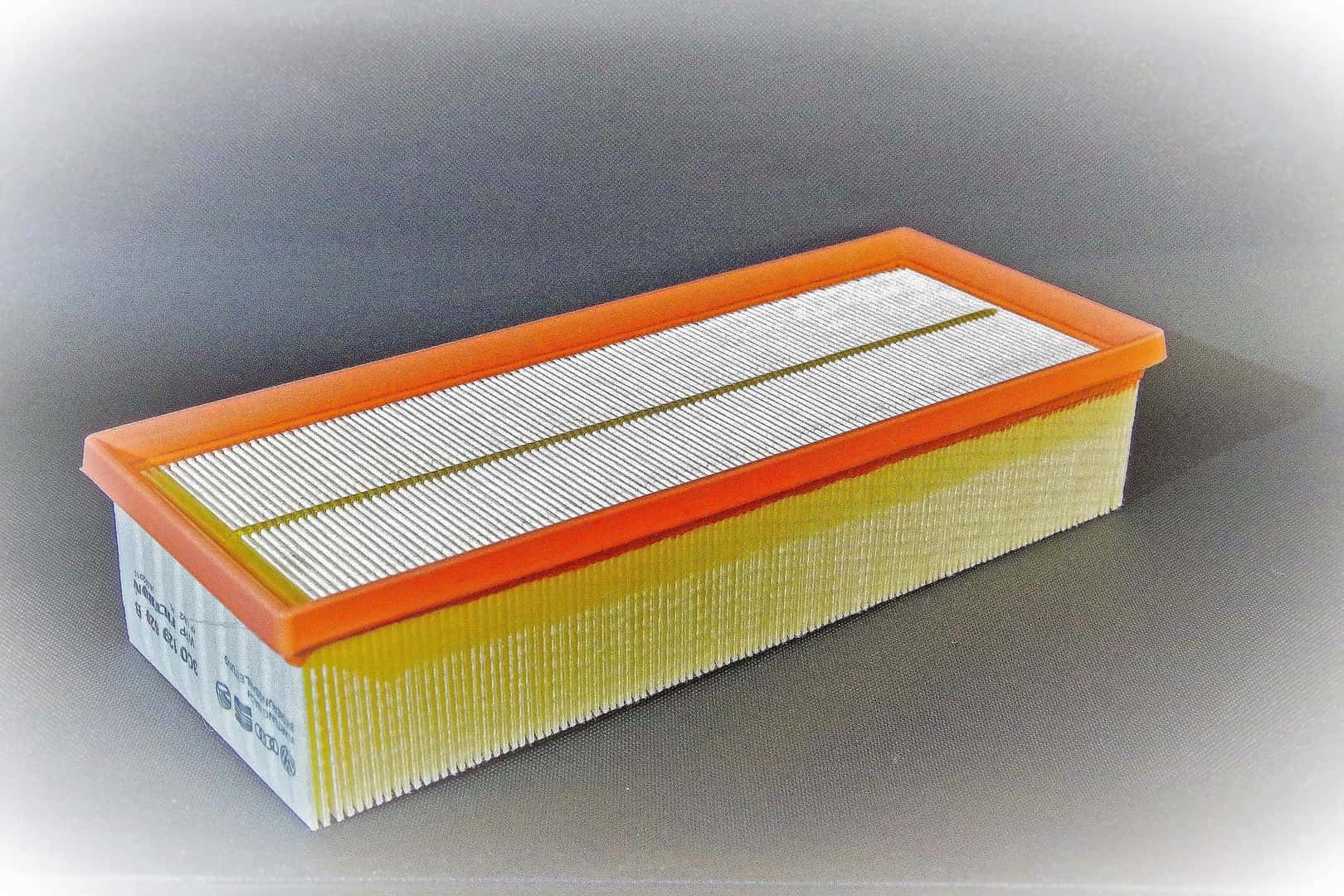
As a car owner, you want to recognize and quickly address any potential issues with your vehicle. One of your vehicle's most important yet often overlooked components is its air filter, which helps keep dust and dirt out of the engine. Unfortunately, a dirty or clogged air filter can cause major damage to your vehicle if left unchecked. Therefore, it's incredibly important to know what signs to look out for so you can replace it when needed. Search Inventory Service Department Schedule Service Our expert team at Meadowland of Carmel provides more insight on identifying signs quickly so you can have a worry-free, joyful driving experience. Learn more about recognizing common signs that could point towards needing a new filter for your ride. What Happens if an Air Filter Is Dirty? When air filters become blocked or clogged, they prevent the engine from receiving adequate air. This can lead to increased unburned fuel and emissions, resulting in decreased air quality. Accumulated soot builds up on the air filter, causing an even greater restriction on the air intake. As a result, your engine's performance suffers and may even be damaged. How Can You Tell if Your Air Filter Is Dirty? Keeping your car's air filter clean ensures smooth running and efficient working. Thankfully, you can determine whether your air filter needs to be replaced by looking for several signs below. Reduced Gas Mileage When the air filters become clogged, they reduce the amount of oxygen flowing into the engine, which reduces efficiency and causes your vehicle to use more fuel than usual. If you notice that your gas mileage has decreased significantly, this could indicate that your air filter is dirty. Strange Engine Noises As dirt accumulates in the air filter, it can create a vacuum inside the engine, causing it to make strange noises as it works harder than usual to draw in enough oxygen for combustion. If you hear anything out of the ordinary from under the hood, it's best to get it checked out by a professional mechanic right away. Decreased Performance If you've noticed that your car isn't performing as well as usual, your air filter might be dirty. With enough fresh air entering the engine, performance will improve significantly. This is because combustion requires oxygen. If there isn't enough oxygen in the engine, combustion won't happen efficiently, and power will be lost due to incomplete fuel burning. Check Engine Light Comes On One of the most obvious signs that your air filter needs replacing is when the check engine light comes on. This indicates something is wrong with your car's engine and needs addressing as soon as possible. If the light stays on after you have checked all other possible causes, it could indicate that your air filter is clogged or dirty. Black Smoke or Flames in the Exhaust A surefire sign that your air filter needs replacing is if you start seeing black smoke or flames coming out of the exhaust pipe. This happens when fuel cannot properly mix with oxygen due to a blocked air filter, leading to combustion problems within the engine. If you notice this happening, get your air filter replaced as soon as possible. The Smell of Petrol in the Exhaust If you start smelling petrol from your car's exhaust pipe, this could also indicate a blocked or dirty air filter. When an air filter becomes clogged or dirty, it restricts airflow into the engine, which makes it difficult for fuel and oxygen to mix correctly. As a result, unburned petrol will escape through the exhaust pipe, producing a strong smell of petrol fumes. Your Engine Misses or Misfires Another way to tell if your car's air filter needs replacing is if your engine starts missing or misfiring while driving at high speeds or under load conditions such as accelerating quickly. The cause is likely to be restricted airflow due to a clogged or dirty air filter, which prevents fuel and oxygen from mixing correctly, resulting in poor performance from the engine. If your car's air filter is dirty, it can lead to a loss of acceleration. The engine needs a certain amount of air to function properly. When the air filter is dirty, it restricts the amount of air that can flow into the engine, which can cause a decrease in power. Loss of Acceleration If your car's air filter is dirty, it can lead to a loss of acceleration. The engine needs a certain amount of air to function properly. A dirty air filter restricts the amount of air that can enter the engine, resulting in slower acceleration. Can I Drive Without an Air Filter? It’s possible to drive without a car air filter, but it’s not recommended. You also want to avoid dirt and debris clogging up other key components in your engine. Without the air filter, your engine won't have the same level of protection from contamination, leading to poor performance and a greater risk of damage to your vehicle. Even though driving without an air filter may be possible, it could cost you more in the long run with decreased performance and additional repairs down the road. Therefore, we suggest you always install a quality air filter in your vehicle. How Often Does the Engine Air Filter Need Replacing? Changing the engine air filter is one of your car's most important maintenance tasks. This simple task can help to keep your engine running smoothly and efficiently. But how often should you change your engine air filter? The answer to this question can vary depending on several factors, including the vehicle you drive and the air filter you use. However, typically, you need to change your engine air filter from every 15,000 to 30,000 miles. Therefore, the next time you're due for a service, ask your mechanic to check your engine air filter and change it if necessary. An engine air filter change can significantly affect your vehicle's performance. Meadowland of Carmel is the best place to take your car to get the dirty engine air filter fixed. Trust our certified professionals to get the job done quickly and efficiently. We use the latest tools and techniques to ensure that your car is running like new again. Dirty engine air filters can cause all sorts of problems for your car, including decreased fuel efficiency and engine power. If you notice any of the above issues, bring your vehicle to our service center today. Photo Credit: Image by Mathias Reding is licensed with Pexels License

Why are spark plugs important?

How long do spark plugs last?

You can find spark plugs in most vehicles on the road today, yet very few people ever think about them as an integral part of their vehicle's engine. Spark plugs can make a difference between arriving at your destination and breaking down, so it's essential to understand what they are, how long they last, and when to change them. Here's all you need to know about why spark plugs are important. How long do Spark Plugs last? Most spark plugs will last around 100,000 miles, depending on your vehicle's manufacturer, which is why many people don't think about them during their lifetime. If you notice slow acceleration, poor fuel economy, a misfiring engine, rough idling, or difficulty starting your vehicle, you may need to replace your spark plugs. Have your local mechanic look at your vehicle to determine if your spark plugs are acting up. Spark plugs can go bad from contamination, combustion, and overheating, resulting in an inability to spark the fuel and air mixture or transfer the heat away from the combustion chamber. Over time, the gap between the electrodes on your spark plugs will widen, making the spark jump across a broader distance to ignite the fuel and air mixture for combustion. This widening gap between electrodes can lead to erratic or irregular combustion. What Are Spark Plugs? A spark plug ignites the fuel and air mixture in your vehicle's combustion chamber to provide enough power to the engine to start your vehicle. Spark plugs do not sustain any power once they are used to start the engine and work to transmit heat away from the combustion chamber. Without an initial spark from your spark plugs, your vehicle won't go very far. Manufacturers make spark plugs from durable materials that can withstand millions of explosions before they wear out and need to be replaced. When you turn your key in the ignition or push-start your engine, the starter motor cranks the engine. The battery then sends electricity to an induction coil on your vehicle's combustion engine to transform the 12 volts from your battery to as many as 45,000 volts before giving that energy to the spark plugs. This ignites the fuel and air mixture inside the combustion chamber and generates a small, controlled explosion in the gap between the electrodes of the spark plug. How Can You Tell if a Spark Plug Is Bad? Spark plugs start your vehicle, so the signs and symptoms of a bad spark plug can be relatively evident when your vehicle just won't start. However, there are several common symptoms of bad spark plugs that you may start to notice before they fail to start your engine altogether. These symptoms include the following: Knocking, pinging, or rattling noises. Unusual noises may come from your engine if your spark plugs misfire. When the combustion and pistons don't work properly, a spark plug firing at the wrong time can cause knocking, pinging, or rattling noises due to the pistons' high velocity. Poor fuel economy. Many things can cause your vehicle to experience a drop in fuel economy, from tire pressure to tire tread. Faulty spark plugs can also cause your vehicle to waste fuel because its engine isn't receiving the spark needed at the right time. Hard vehicle start. Your vehicle may have trouble starting or feel jerky and disjointed because the spark plugs are misfiring or not working correctly, causing erratic performance. Reduced performance. Spark plugs are constantly working on transferring heat from the combustion chamber, even when changing gears or accelerating. If your spark plugs aren’t working at 100% capacity, you'll notice a reduction in your vehicle's overall performance. Any of these symptoms can mean that your spark plugs are on their way out, so you should make an appointment with a mechanic or service specialist, such as the trained professionals at Meadowland of Carmel. Our certified technicians can diagnose and treat your vehicle's symptoms, including spark plugs or other issues. We offer free estimates and service hours on Saturdays for your convenience. If you're the DIY type, we can order new parts, including spark plugs to ensure you get the best parts for your vehicle. How Often Should You Change Your Spark Plugs? Even if you're not having issues with your spark plugs, most vehicle manufacturers suggest you change them every 100,000 miles to keep everything working as smoothly as possible. However, the longevity of your spark plugs depends on many factors, including the make, model, and year of your vehicle, the engine, condition, and spark plug type. Consult your owner's manual for your vehicle's specific recommendation on spark plug replacement. Can You Use Any Spark Plug in Your Vehicle? While spark plugs work the same in most vehicles, it's essential to know that there are various types. Spark plug types include: Standard Spark Plugs Standard spark plugs are solid copper with a nickel alloy central electrode. With the largest diameter of all spark plugs, a standard spark plug requires more voltage to generate a current. While it has high conductivity, the nickel alloy part isn't as durable, so these spark plugs tend to wear out quickly. Platinum Spark Plugs Platinum spark plugs are also solid copper, but with a platinum disc welded to the tip of the central electrode that provides more durability. You can purchase a single- or double-platinum spark plug. Both generate more heat that helps prevent fouling and deposit buildup compared to the standard spark plug. Iridium Spark Plugs The most expensive and longest-lasting spark plug is an iridium spark plug with a smaller central electrode and fine wire center used to generate current faster. This spark plug provides better power, which translates into better engine performance. If you're experiencing bad spark plug symptoms, don't wait to bring your vehicle in to have it looked at and repaired. Our service team at Meadowland of Carmel would be happy to service your spark plugs and other vehicle needs. You can find us at 1952 U.S. Highway 6 in Carmel from 7:30 a.m. to 6 p.m. Monday through Friday and closing at 3:30 p.m. on Saturday. To make an appointment today, call us at 845-842-7355, or schedule your service appointment online. Photo Credit: Image via Pixabay

CDJR Mopar Brake Service

What is a standard brake service?

Your brakes may be the most critical safety system in your entire vehicle. Vehicle braking systems use a complex network of mechanical and hydraulic parts to slow and stop your car. You need to slow down gradually in some situations but will require hard braking in others. Your brakes must function properly to keep you and your passengers safe. To ensure your brakes perform, we recommend you have them serviced regularly. So, we had our brake system experts dig into this topic to explain what services your brakes need and how often they need them. What is a standard brake service? IROC Brake Upgrade by Nick Ares is licensed with CC BY-SA 2.0 At Meadowland of Carmel, our service center technicians receive ongoing training to remain updated on all braking systems' latest parts and repair practices. They will inspect your entire brake system when you bring your vehicle in for a brake service and can quickly diagnose and fix any issues you might have with your brakes. Your technician will inspect the brake lines for cracks or leaks and review your brake pads to ensure they have the appropriate thickness remaining. The inspection includes a structural integrity check of your discs, rotors, or drums. The technician will check your brake pedal by measuring the distance it travels, which helps to determine system pressure. They'll test your calipers, too, to make sure they clamp your pads onto the discs, rotors, or drums in the correct position and with proper pressure. In addition, our technicians will examine your master cylinder to ensure it operates to vehicle specifications and has no leaks. Finally, they'll check your brake fluid level and test it for moisture and metal content, such as copper. Your brake service might include replacing your brake pads or topping off the brake fluid, as these parts wear the fastest. However, if our technicians find an issue with any part of your car's brake system, they will provide you with a detailed explanation and a cost breakdown of the necessary repairs. You can take advantage of our Express Lane for quick service. Benefits of Regular Brake Service As a critical safety system, your brakes require regular servicing to ensure proper operation. You need to stop, sometimes in emergencies, and you rely on your brakes to do so safely. Brake pads wear out from the friction created during the braking process, eventually exposing metal pins. When these pins contact the discs, rotors, or drums, they start to squeak or squeal. That's the signal you need to change your brake pads. If you ignore this sign, those metal pins eventually score grooves in your discs, rotors, or drums and compromise their integrity. Regular brake system service helps prolong the system's life, avoids more costly repairs, and improves your driving safety. To encourage regular service, we offer a rotating list of service specials. Servicing your brake system regularly also helps spot other potential issues, such as leaks. Your brake system uses fluid pressure to operate. Too little brake fluid reduces the amount of available pressure and compromises the system's ability to stop the car. Old brake fluid can also damage your vehicle's brake system. Even though the fluid operates in a sealed system, moisture can still seep in over time. Water alone can lead to the corrosion of critical parts, but it is even more damaging if it contains harmful minerals, such as copper. Testing your brake fluid and exchanging it when it gets old helps prolong the other mechanical parts of the system. What are the Different Parts of a Brake? Your brake system uses a complex series of mechanical and hydraulic parts to stop your vehicle. The mechanical element begins when you press down on the brake pedal. This action engages the hydraulic portion, pressurizing the brake fluid in the brake lines. The pressure from the brake fluid then triggers the calipers, which clamp the brake pads onto the rotors, discs, or drums attached to your car's wheels. Gentle pressure allows the wheels to stop spinning slowly. Hard pressure causes the wheels to stop more quickly. Modern vehicles employ an anti-lock braking system known as ABS. With ABS, the pressure on the calipers pulsates rapidly. This rapid action keeps the brakes from locking against the wheels and sending the car into a skid. Your tires' tread provides traction or grip on the road, but when your car skids, you lose that traction. ABS allows your tires to continue to rotate and maintain traction on the road. Common Brake Problems Our technicians have seen it all when it comes to brake issues. The most common is worn-out brake pads. These pads cost very little to replace, and we can do so quickly. Another common problem is low brake fluid. Most drivers don't check their brake fluid regularly, so having a brake inspection by a professional helps prevent the issue. Older vehicles often have cracked or corroded brake lines, which will eventually leak and compromise your stopping ability. Occasionally, a master cylinder failure occurs in older vehicles. The master cylinder provides the pressure required to stop your car. As a result, a failing master cylinder creates a very unsafe situation. Corrosion can compromise your brake system's metal discs, rotors, and drums. In particular, salt on the roads in the winter can have a corrosive impact. Salt works wonders to melt the snow, but it also corrodes the metal parts of your entire vehicle, including your brakes. Other Problems That Stem From Brake Issues One significant problem that stems from brake issues is premature tire wear. For example, if a caliper on one tire clamps down harder than the other, that tire will wear faster. This uneven pressure also creates a pull to one side as you brake. You can manage a safe stop in gentle braking situations, but it can cause an unsafe loss of control in an emergency. Schedule Standard Brake Service Today We hope you found this information helpful. At Meadowland of Carmel, we want your vehicle to operate safely in all aspects, including your brakes. If you have a problem with your vehicle's brakes or can't remember the last time you had them serviced, we recommend you schedule a brake inspection today. In less than an hour, we'll inspect your entire brake system and make the necessary recommendations to return your brakes to the proper specifications.

Why are fluid inspections important?

Several types of fluid keep your vehicle safe on the road. Fluids ensure the engine is cooled and lubricated. They operate the hydraulic brake and power steering systems, ensuring your transmission shifts flawlessly. Some fluids require periodic topping off, while low levels of other fluids indicate likely problems. Check your owner's manual for recommended fluid replacement times. Car owners should monitor fluid levels, helping to flag potential issues and keep their vehicle's systems operating safely. Follow your owner's manual or your mechanic's recommended service schedules. If needed, schedule a service today with Meadowland of Carmel. Vital Fluids to Monitor step 5 by Robert Couse-Baker is licensed with CC BY 2.0 Lacking the necessary levels of fluids such as coolant, motor oil, and transmission fluid can cause extensive damage. Check fluids regularly during gas fill-ups or oil changes to ensure that levels are in operating range and are not contaminated. Watch for any suspicious leaks or smells. Motor Oil Your oil should be light-to-medium brown and changed approximately every 3,000 to 5,000 miles, but always consult the owner's manual. Synthetic motor oil and high-quality oil filters last for more miles. Oil will get darker as it gets old. Ensure it's within the normal operating range since the engine doesn't receive proper lubrication if the oil is too low. If it's low or looks bad, check for leaks and determine if your vehicle is past due for service. An oil change is typically an express service at a service department such as Meadowland of Carmel. Coolant The coolant is bright green or pink depending on the formulation used and is suitable for up to 100,000 miles depending on the manufacturer's recommended replacement schedules. Top off with a 50-50 ratio of coolant to water, or use a pre-mixed coolant that matches your vehicle's requirements. Watch for leaks from the hoses, water pump, or engine block. While checking at home, remember that fluid is dangerous for pets. Low coolant can cause overheating and significant engine damage. Automatic Transmission Fluid Automatic transmission fluid has a reddish tone and an oil-like texture and may need to be topped off occasionally. Darker colors, odd smells, and low levels may indicate a fluid and filter flush is past due or that there are other issues. Low fluid levels can cause shifting problems, overheating, or damage to the transmission. Transmission service frequency is recommended in the owner's manual and includes a fluid flush and a new filter. Brake Fluid This fluid is a light yellow-brown color, with low levels usually indicative of brake wear or a leak in the brake system. Brake fluid replacement intervals should be available in the owner's manual. This service replaces old fluid, helping prolong the life of the brake system. Power Steering Fluid Power steering fluid has a yellow-brown color and requires periodic topping off. Low levels may indicate leaking seals or hoses, leading to steering difficulty and damage to the power steering pump. Windshield Washer Fluid Windshield washer fluid is water-like and comes in various colors, commonly blue. Options include summer blends that must be used up before cold weather arrives since they may freeze. Washer fluid requires regular filling depending on how often the windshield washer is used. Fluid Mishaps: What Are the Remedies? Sometimes mistakes happen when fluids are being topped off or refilled. Depending on which fluid was mistakenly added, this may not cause problems, or it could require flushing and replacement with the proper fluid. Below are some common mistakes and their implications: Motor oil should match the specifications in the owner's manual. Switching brands has little effect, but switching viscosity like adding 10W-30 instead of 5W-20 alters the oil's lubricating properties. Adding synthetic oil to conventional motor oil doesn't cause any harm as long as the viscosity ratings match, but it doesn't offer any benefits. Remedy: One quart of mismatched viscosity oil shouldn't cause issues, but improper oil can be fixed with a prompt oil-and-filter change. Anything other than motor oil added to the oil requires an immediate oil-and-filter change and consulting a mechanic in case engine flushing is necessary. Engine coolant should generally be mixed with water at a 50-50 ratio unless it's pre-mixed. Too much water in the coolant makes it susceptible to freezing in cold weather or boiling over on a hot day. Remedy: A coolant flush may be required if many coolants were improperly added or a different fluid was added by accident. Otherwise, adding some straight coolant can even out the required 50-50 ratio with water. Automatic transmission fluid must match the manufacturer's required specifications, such as Mopar ATF+4. Improper transmission fluid can cause poor lubrication, overheating, poor performance or clunking noises, or transmission failure. Adding motor oil or brake fluid to the transmission can cause severe damage. Remedy: A quick transmission fluid flush and filter replacement can fix this issue as long as it's done quickly. Let your mechanic know about the issue, as extra transmission cleaning may be necessary. Brake fluid is a specialty hydraulic fluid that can't be replaced with power steering fluid. Improper fluid can damage seals and hydraulic components and lead to brake performance issues. Remedy: Brake fluid flush service, recommended at specific times by most owners' manuals, can replace contaminated or old brake fluid and preserve the components. Washer fluid cleans the windshield and removes bugs and other debris. Summer fluid works well for cleaning but will freeze and cause damage to the tank and components. Water doesn't clean well. Substituting household cleaners with ammonia can leave residue, damage the car's finish, and allow potentially harmful odors to get into the car. Remedy: It's relatively easy to drain or remove contaminated washer fluid. If accessible, remove the hose off the bottom of the reservoir and take off the reservoir cap to allow the fluid to drain. Another method is to dilute the contaminated fluid with a cup of hot water and remove the old fluid with a turkey baster or siphon. Consult Meadowland of Carmel Regularly checking your vehicle's fluids is a crucial way to prevent damage and, over time, gives you a sense of how the fluids should look. Monitoring the levels is essential, but following recommended fluid replacement schedules is another way to make your vehicle last longer. Meadowland of Carmel can monitor your vehicle's fluid levels, replacing old fluids and fixing leaks at its fully equipped service center. Factory-certified technicians have expert knowledge of Chrysler, Dodge, Jeep, RAM, and Fiat vehicles and a large inventory of OEM Mopar parts. Call us at 845-842-7355 or complete our secure online form for service today.

Contact Us

Fill out this form below and we'll contact you shortly
*Required Fields