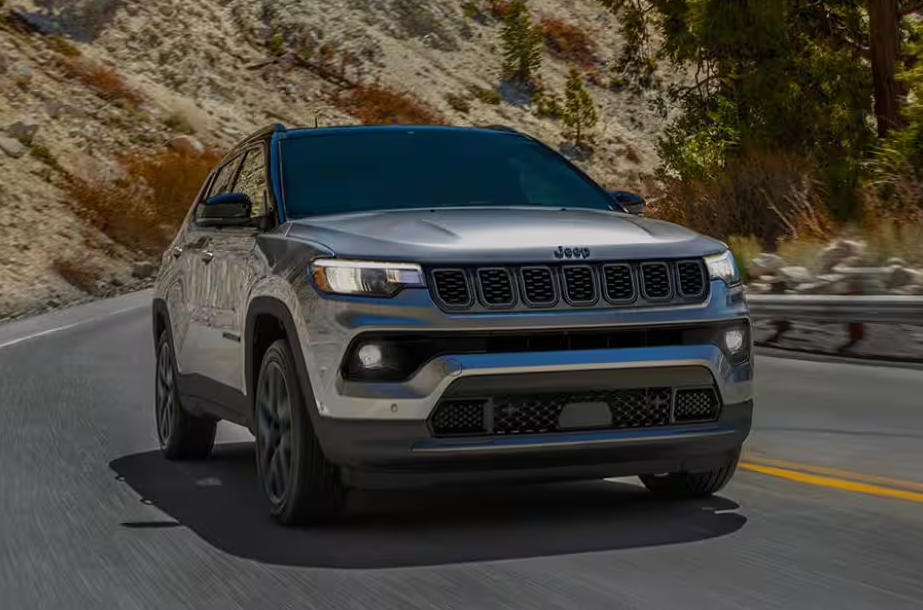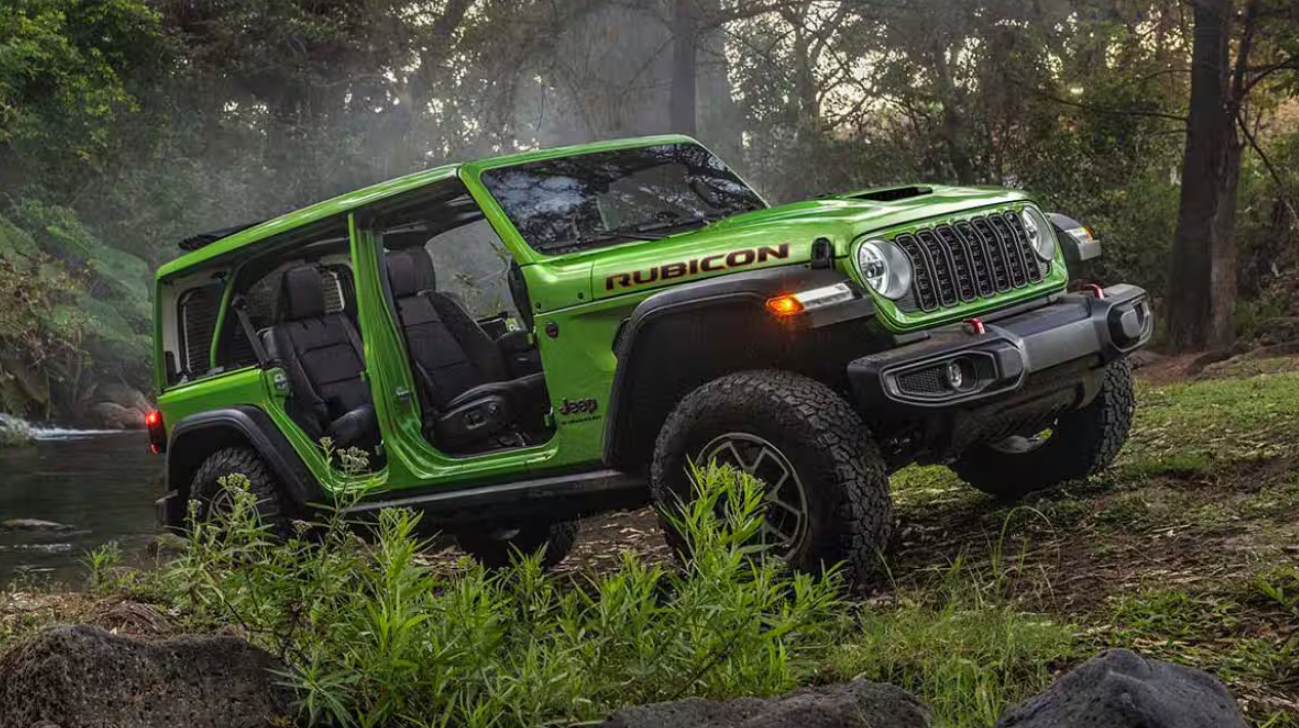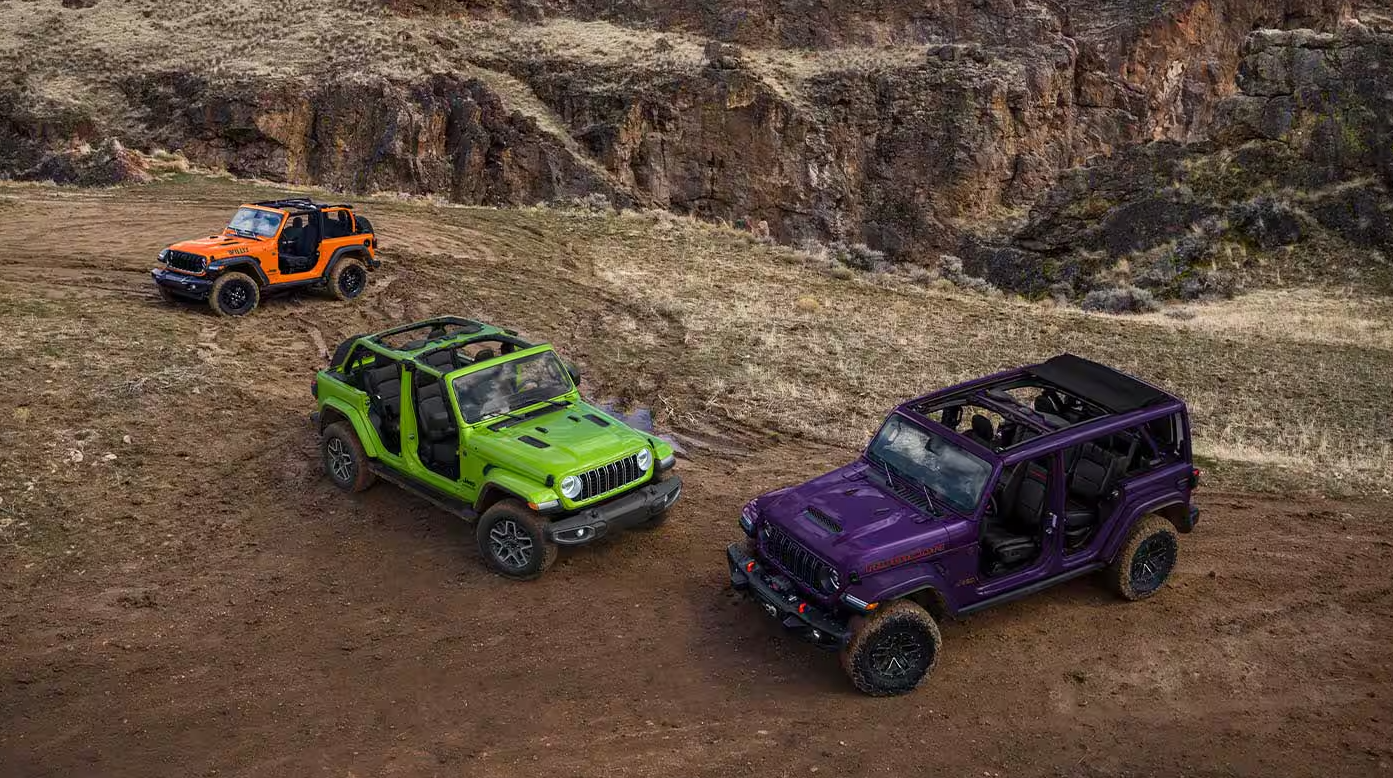





Compact SUVs are the go-to pick for drivers who want practicality without losing personality along the way. Stack the 2026 Jeep Cherokee against the 2026 Ford Bronco Sport, though, and real differences show up fast. For drivers across Carmel, Brewster, Poughkeepsie, and the Hudson Valley, this comparison matters: you need something that handles snowy winters and twisting backroads just as easily as the daily commute. If you're ready to see the Cherokee up close, browse the 2026 Jeep Cherokee for sale in Carmel, NY at Meadowland of Carmel CDJR. 2026 Jeep Cherokee vs. Ford Bronco Sport: Quick Verdict for Carmel Drivers The 2026 Jeep Cherokee brings more to the table for local drivers. It returns this model year after a three-model-year hiatus as a ground-up redesign, with standard 4x4 and a hybrid powertrain that blends genuine off-road capability with strong fuel efficiency and a generous safety package. The Ford Bronco Sport is a capable, rugged-looking machine with real off-road credentials, but it starts at a lower price and falls behind the Cherokee in fuel economy and range. If you're regularly driving Route 6, the Taconic, or unpaved roads around the Hudson Valley, the Cherokee's standard setup gives you a meaningful edge before pricing even enters the conversation. The 2026 Jeep Cherokee's Return as a Standard 4x4 Hybrid The Cherokee has always been Jeep's answer for buyers who want capability without sacrificing everyday livability. For 2026, Jeep (part of Stellantis) brings the Cherokee back with a standard hybrid powertrain and standard 4x4 across the entire lineup, making the base trim worth far more than it used to be. The hybrid system isn't a token gesture. Jeep built it to deliver real performance alongside real efficiency, not one at the expense of the other. 210 HP and 37 MPG Combined: How the Cherokee Hybrid Delivers The Cherokee pairs a 1.6L turbocharged engine with dual electric motors and a CVT, producing 210 horsepower and 230 lb-ft of torque combined. EPA ratings land at 39 city, 35 highway, and 37 combined MPG, and a 13.7-gallon tank gets you over 500 miles of range. Most compact SUV rivals force a tradeoff, either more power at the cost of efficiency, or better economy at the cost of performance. The Cherokee manages to split the difference. For drivers commuting between Carmel and White Plains, or running back and forth between Poughkeepsie and Danbury, that fuel economy adds up to real savings. The hybrid system also smooths out stop-and-go traffic; the electric motors pick up more of the work so the gas engine doesn't have to strain as hard. Standard 4x4 vs. Bronco Sport's Standard AWD Every 2026 Jeep Cherokee comes with Jeep Active Drive I 4x4, complete with rear-axle disconnect and four Selec-Terrain modes (Auto, Sport, Snow, Sand/Mud), standard. No trim upgrade, no extra cost. Ford also makes AWD standard across every 2026 Bronco Sport trim, so both vehicles guarantee all-wheel traction from the start. The real difference lies in how the systems work. AWD reacts to wheel slip after it's already happening, while the Cherokee's 4x4 setup hands drivers selectable terrain modes and more deliberate control before things go sideways. Anyone who's dealt with a January storm on a quiet Hudson Valley county road knows that extra control counts for something. Conquering Carmel and the Hudson Valley: Real-World Capability Both SUVs are built for more than mall parking lots, but they get there differently. The Bronco Sport leans hard into its trail-focused identity, with rugged styling and off-road hardware aimed at weekend adventure. The Cherokee takes a wider view, tuned to handle the trail while staying planted and composed on the highway and in the school pickup line. Around Carmel, road conditions can shift dramatically in just a few miles, plowed state highway one minute, muddy unlit back lane the next. Handling Slushy Winters with Confidence Winter driving in Putnam County doesn't wait around for a trim upgrade. The Cherokee's standard 4x4 system earns its keep the first time you're crossing a slushy intersection or backing out of an unsalted driveway, sending torque where it's needed to keep the vehicle predictable. The Bronco Sport handles snow well too, thanks to its standard AWD, but it doesn't get the Selec-Terrain equivalent or rear-axle disconnect tech that comes with the Cherokee. For families or commuters who see off-road capability as a safety feature rather than a hobby, that terrain-mode flexibility matters. Winding Hudson Valley Backroads Put to the Test Winding roads throughout Putnam and Dutchess counties tend to expose how a vehicle is actually tuned. The Cherokee's suspension leans toward ride composure, keeping occupants comfortable through elevation changes and tight curves while steering predictably at highway speed. The Bronco Sport is fun on trails, but its shorter wheelbase and off-road-focused suspension mean passengers may feel more body motion and a firmer ride on pavement. For daily drivers who occasionally head off-road rather than dedicated trail enthusiasts, the Cherokee fits the environments you're actually in most of the time. Safety and Fuel Efficiency: Feature-by-Feature Comparison Both vehicles offer modern safety packages, but the Cherokee is more generous with what comes standard. Standard Safety Technology Compared The 2026 Jeep Cherokee's standard Active Driving Assist suite includes: Forward collision warning Automatic emergency braking (AEB) Blind-spot monitoring Rear cross-traffic alert These are standard across the entire lineup, not premium add-ons you pay extra for. The Bronco Sport's Co-Pilot360 Assist+ suite is also standard and covers similar driver-assistance features, so both vehicles start buyers off with solid safety coverage. Shoppers should still check current NHTSA and IIHS ratings for both models before deciding, and Meadowland's team can walk through the specifics with you. Fuel Economy Breakdown Spec 2026 Jeep Cherokee 2026 Ford Bronco Sport City MPG 39 21-25 Highway MPG 35 28-30 Combined MPG 37 23-27 Estimated Range 500+ miles ~350-400 miles Tank Size 13.7 gallons Not hybrid-equipped Figures per official Jeep and Ford specifications and EPA ratings. Over a year of typical driving, that MPG gap adds up fast. Drivers commuting between Carmel and points in Westchester or Connecticut will feel it at the pump, and the Cherokee's hybrid system switches between electric and combustion power smoothly enough that you won't notice any tradeoff in how it drives. Pricing, Trims, and Value for Carmel NY Shoppers The 2026 Ford Bronco Sport starts at a lower MSRP of $31,845, according to Ford. The 2026 Jeep Cherokee's lineup starts at $35,000 for the base trim, with Laredo at $38,000, Limited at $40,000, and Overland at $43,000, per Jeep. All figures are manufacturer MSRP and don't include destination fees, and both MSRP and trim availability can change, so confirm current pricing with the dealership. The more important part of the value story is what's included at each price point. With standard 4x4, a hybrid powertrain, and a full safety suite across the lineup, the Cherokee's base trim delivers more standard capability than a comparably equipped Bronco Sport at a comparable price point. Towing tells a similar story: the Cherokee is rated for 3,500 lbs, while the Bronco Sport ranges from 2,200 to 2,700 lbs depending on configuration. For Carmel-area shoppers working within a set budget, the Cherokee's standard equipment often closes, or even reverses, that initial price gap. Side-by-Side Specs Comparison Table Here's how the two SUVs stack up across the specs that matter most. Feature 2026 Jeep Cherokee 2026 Ford Bronco Sport Powertrain 1.6L turbo hybrid + dual electric motors, CVT 1.5L or 2.0L turbo, 8-speed automatic Horsepower 210 HP combined 180-250 HP Torque 230 lb-ft 200-280 lb-ft Drivetrain Standard Jeep Active Drive I 4x4 Standard AWD Towing Capacity 3,500 lbs 2,200-2,700 lbs Starting MSRP $35,000 $31,845 Why the 2026 Jeep Cherokee Wins for Carmel and Hudson Valley Drivers The Cherokee wins on consistency, doing most things better than the Bronco Sport for the conditions Hudson Valley drivers actually face day to day. Standard 4x4 with Selec-Terrain modes means you're never caught off guard in a Carmel winter, the 37 MPG combined rating keeps your daily drive cheaper, and 210 horsepower means steep grades heading out of town won't leave you underpowered. The Cherokee's 3,500-lb towing capacity also beats the Bronco Sport, which comes in handy for small businesses or families hauling trailers and gear. The Bronco Sport has real appeal for buyers whose main goal is weekend trail driving and who love its look. But for drivers who need a reliable, efficient SUV that performs well through all seasons and varied terrain, the Cherokee is the more practical pick. It fits the life most Hudson Valley drivers actually live, day in and day out, not just the occasional adventure weekend. Check Availability at Meadowland of Carmel CDJR Today What Sets the Cherokee Apart Before you decide, keep these two things in mind: standard 4x4 that requires no upgrade, and a 3,500-lb towing rating that beats the Bronco Sport across the board, all backed by a 37 MPG combined hybrid powertrain. Visit or Contact Our Team If the 2026 Jeep Cherokee is on your radar, Meadowland of Carmel CDJR is the place to start. Located at 1952 US-6 in Carmel, NY, we carry a wide selection of new Jeep vehicles alongside quality used and certified pre-owned inventory. Browse our full lineup of new Jeep vehicles in Carmel, or check current Cherokee availability directly. Our financing team offers competitive rates and flexible payment plans, and our factory-trained technicians handle everything your Cherokee needs, from oil changes to bigger repairs down the road. Sales hours run Monday through Thursday from 9 AM to 7 PM, and Friday and Saturday from 9 AM to 6 PM. Call our sales team at 845-704-4245, or visit our contact page to schedule a test drive today.
2026 Jeep Compass vs. Honda CR-V: Capability, Tech & Pricing
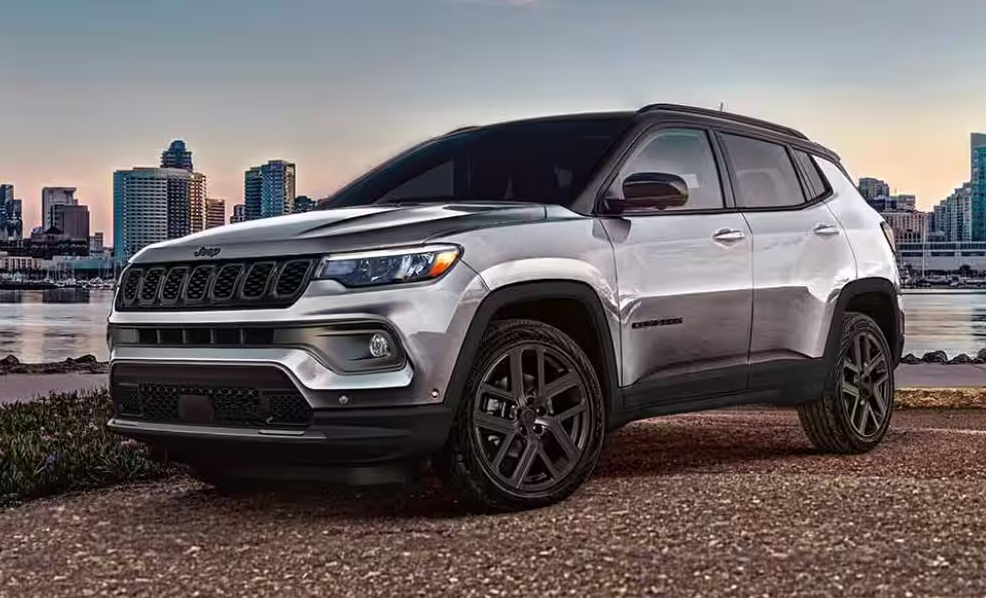
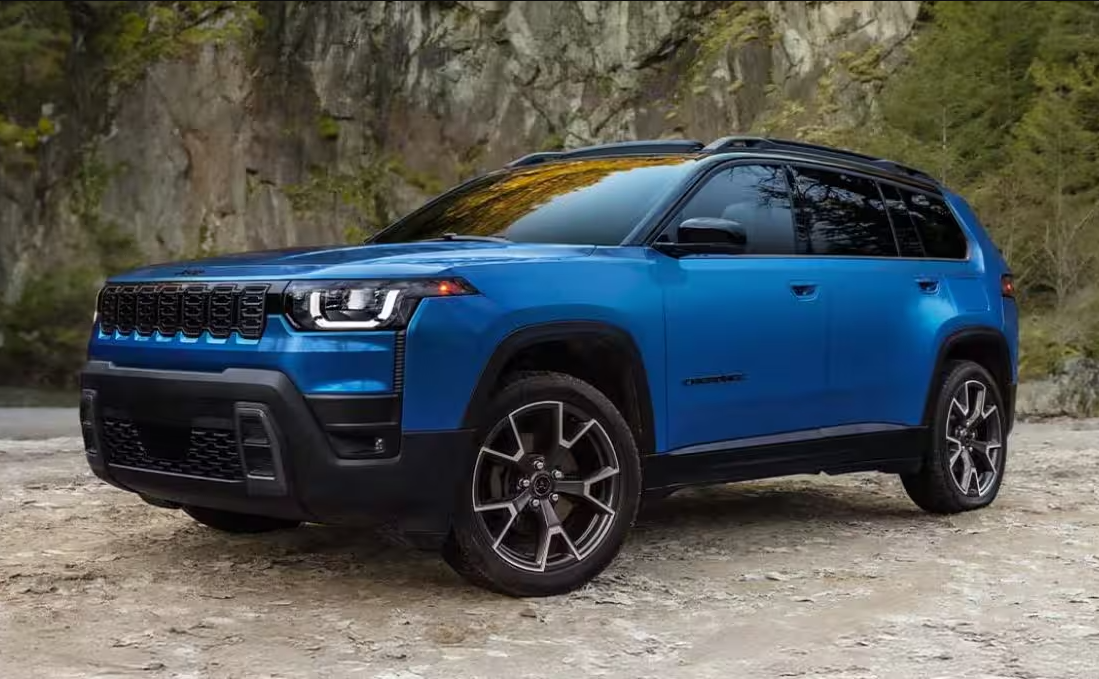
Choosing between two well-regarded compact SUVs is rarely simple, especially when each one brings genuine strengths to the table. The 2026 Jeep Compass vs. Honda CR-V debate comes up often among shoppers around Carmel, NY, and for good reason. Both vehicles sit comfortably in the same class, serve similar budgets, and target drivers who want a capable, tech-forward SUV for daily use. The similarities fade quickly once you look under the surface. The Compass leans into rugged capability and trail-ready design without sacrificing everyday comfort. The CR-V counters with a roomy cabin, smooth ride quality, and a family-first orientation that's hard to argue with. If you're weighing these two and trying to figure out which fits your actual lifestyle, the breakdown below should help you make a clearer call. more Getting to Know the 2026 Jeep Compass and Its Five Trims The 2026 Jeep Compass arrives with five distinct trims, each targeting a slightly different type of buyer. Rather than treating every trim as a minor variation of the last, Jeep has designed these configurations with clear personality differences. That structure makes it easier to find the exact version that fits your commute, your weekends, or your budget, without overpaying for features you don't need. If you want to experience Jeep capability firsthand, check out our new Jeep vehicles for sale in Carmel, NY. Latitude and Latitude Altitude: Everyday Confidence, Elevated Style The Latitude is the entry point into the Compass lineup, and it delivers more than you'd expect at its price. Standard AWD comes included across every trim, which is a meaningful advantage for anyone dealing with wet roads or light snow around Carmel, NY and the broader Putnam County area. The standard 8.4-inch Uconnect touchscreen with wireless Apple CarPlay and Android Auto is intuitive and responsive, the kind you can figure out without digging through a manual. The Latitude Altitude builds on that foundation with visual upgrades that sharpen the Compass's overall look. Darker trim accents and bolder badging give it a sportier, more assertive presence. For drivers who want something that stands out without jumping into a premium price range, the Altitude package delivers real appeal without a dramatic cost increase. Limited and Limited Altitude: Comfort and Premium Upgrades Move up to the Limited and the Compass starts to feel like a genuinely premium compact SUV. An available upgrade to the 10.1-inch Uconnect display, heated front seats, and upgraded interior materials make a noticeable difference on longer drives or family outings. These trims suit buyers who appreciate thoughtful details and don't want to feel like they made compromises just because they chose a compact over a midsize. The Limited Altitude blends the comfort-focused amenities of the Limited with the distinctive styling of the Altitude models. It's a strong combination for drivers who want their SUV to reflect both taste and practicality. If you're cross-shopping the Compass against competitors and looking for something with a more upscale feel at a reasonable price, these trims are worth a close look. To compare specific trim configurations, check out our matchup on the 2026 Jeep Compass Latitude vs. Limited Altitude. Trailhawk: Built for the Roads Less Traveled The Trailhawk is where the Compass separates itself most clearly from the CR-V and from most other vehicles in the compact SUV segment. This trim is purpose-built for off-road performance, featuring enhanced suspension geometry and a Selec-Terrain system with Rock mode, giving you hardware specifically designed to handle rough, uneven ground with confidence. Whether you're working through a muddy trail upstate or dealing with a rough winter back road near Carmel, the Trailhawk gives you tools the CR-V simply doesn't offer. The rugged design isn't just cosmetic either. It's a genuine off-road performance package, capable on surfaces that would stop most crossovers cold. For outdoor enthusiasts who see their SUV as a tool for getting somewhere rather than just driving to it, this trim makes a strong case. What the Honda CR-V Brings to the Table The CR-V has built a loyal following for very understandable reasons. It offers one of the most spacious interiors in the compact SUV class, with thoughtful storage solutions and a rear cargo area well-suited to grocery runs and longer road trips alike. Fuel efficiency is another strong suit, with EPA estimates of 28 city / 33 highway mpg in FWD configuration and 27 city / 31 highway mpg with AWD, making it an attractive option for commuters who spend significant time on the highway. The CR-V's safety technology suite is thorough, and its reliability reputation is well-established. Resale values tend to hold up solidly over time, which is worth factoring into total cost of ownership. When comparing the CR-V against the Compass on purely practical, family-focused criteria, it earns its reputation. What you give up, though, is off-road versatility and any real trail capability. All-Weather Capability and Real-World Performance Living in Putnam County means dealing with real weather: slick winter intersections, slushy streets, and wet back roads that can turn challenging quickly. Both SUVs are designed to handle it, though they approach all-weather confidence from different starting points. The CR-V delivers a composed, stable on-road experience in rain and light snow, with its optional AWD system working quietly in the background. AWD is not standard on the CR-V; it's available on most trims but requires an upgrade. The Compass takes a broader approach. Every trim comes standard with AWD, giving you that baseline confidence without any additional decisions. The Trailhawk goes further, with Selec-Terrain and Rock mode actively adjusting power delivery and stability control to match the surface you're on. For drivers who regularly encounter unpaved roads, muddy conditions, or weekend gear-hauling into the hills, that level of adaptability matters. The Compass can also tow up to 2,000 pounds, compared to the CR-V's 1,500-pound towing capacity, a useful difference if you haul a trailer or gear on weekends. Tech, Comfort, and the Everyday Cabin Experience Technology is a deciding factor for many compact SUV buyers, and the Compass vs. CR-V comparison in this area is competitive. A side-by-side look at the key specs: Feature 2026 Jeep Compass Honda CR-V Engine 2.0L turbo inline-four 1.5L turbo Horsepower 200 hp 190 hp Torque 221 lb-ft 179 lb-ft Transmission 8-speed automatic CVT AWD Standard Available (standard onTrailSport Hybrid and Sport Touring Hybrid) Towing 2,000 lbs 1,500 lbs Fuel Economy (AWD) 24/32 mpg 27/31 mpg The 2026 Compass features a standard 8.4-inch Uconnect touchscreen with wireless Apple CarPlay and Android Auto across the lineup, with an available 10.1-inch display on mid-range and higher trims. The CR-V's interface is clean and easy to use, and its connectivity options are well-implemented. Where the Compass has an edge is in the sense of premium polish and the variety of features available as you move through its trim structure. The Limited and Limited Altitude trims offer a level of comfort refinement that makes extended driving noticeably more enjoyable. For a deeper look into cabin materials and tech features, read our guide breaking down the 2026 Jeep Compass interior. Pricing and Value: What You Get at Each Step Up The 2026 Compass is structured to offer strong value at each trim step, with meaningful feature additions that justify the cost difference rather than incremental padding. The Latitude provides a capable, well-equipped starting point. The Limited and Limited Altitude trims add premium comfort features that bring the cabin experience closer to near-luxury territory. The Trailhawk commands a premium that reflects its unique off-road engineering and is genuinely unlike anything Honda offers in this class. To keep your vehicle covered over time, learn more in our article explaining what the Jeep Compass warranty includes. The CR-V sits at a comparable price range in most trims, and its higher configurations are well-justified for buyers prioritizing interior room and fuel efficiency. For those seeking a compact SUV that also brings genuine off-road capability, the Compass consistently delivers more at each price point without forcing you to choose between everyday usability and the ability to venture off the pavement. The Bottom Line: Which SUV Is Right for You? The choice between the 2026 Jeep Compass and the CR-V comes down to how you use your SUV. If off-road capability and trail-ready performance are priorities, the Compass is the clear answer. The Trailhawk has no real counterpart in Honda's lineup. If maximum cabin space and time-tested family practicality matter more, the CR-V is a sensible, well-rounded choice that earns its reputation. For drivers in Carmel, NY who want everyday comfort and the confidence to handle whatever Putnam County winters throw at them, the Compass makes a strong case. The five-trim structure means you can find the right version without overspending, and the all-weather capability built into every configuration fits the region's conditions well. If you're ready to explore your options, browse the new Jeep Compass inventory in Carmel, NY or take a look at the full new Jeep lineup for sale in Carmel, NY at Meadowland of Carmel CDJR. Our team can walk you through the trims, answer your questions, and get you behind the wheel at a time that works for you.
Top Interior Features in the 2026 Jeep Grand Wagoneer You'll Love
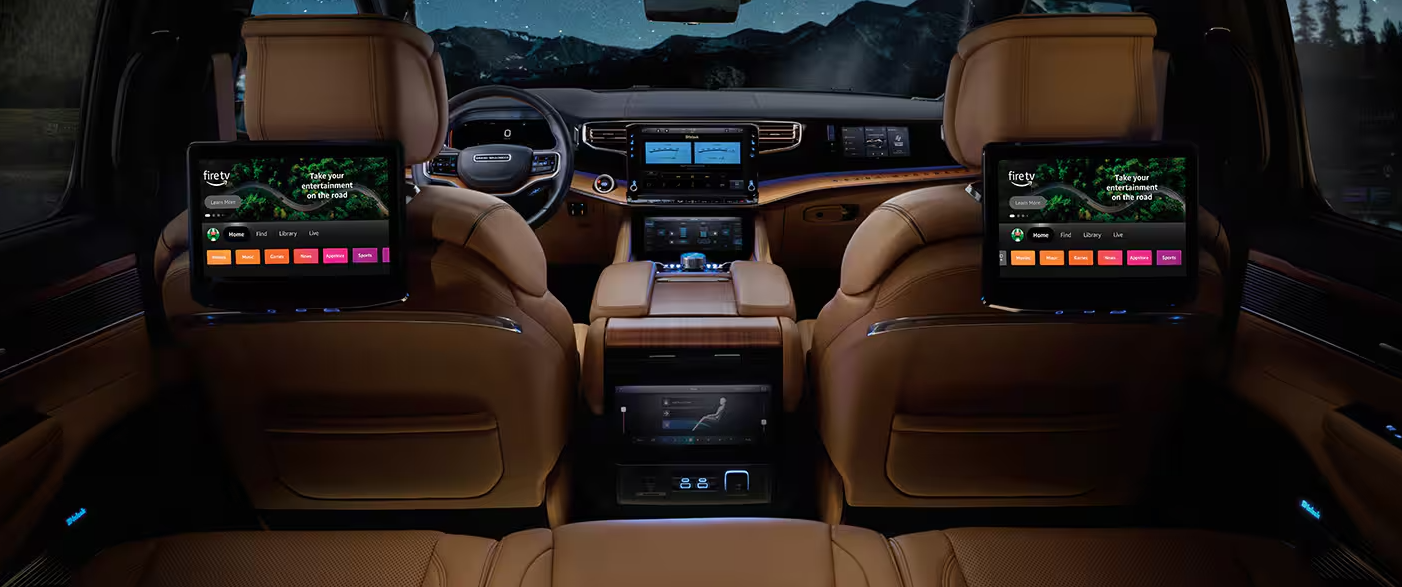
The 2026 Jeep Grand Wagoneer interior doesn't just compete in the luxury segment. Once you're inside, it's clear this cabin was designed with real intention. The materials hold up to scrutiny, the technology feels well thought out, and there's genuine space for everyone. If you've been searching for a three-row SUV that delivers on both comfort and capability, the Grand Wagoneer makes a strong case. more Why the 2026 Jeep Grand Wagoneer Interior Raises the Bar for Luxury SUVs Luxury SUVs have traditionally asked buyers to accept trade-offs. The third row is often barely usable, and the premium materials turn out to be surface-level. The Grand Wagoneer interior breaks from that pattern. Jeep built this cabin with enough detail to rival dedicated luxury brands, pairing real craftsmanship with livable space in a way that feels considered rather than cosmetic. What makes this generation stand out is how that design philosophy carries through the entire cabin rather than stopping at the driver's seat. Every row gets real attention, and every surface gets a finish worth noticing. For families who log meaningful time in their vehicles, whether on daily commutes through Putnam County or weekend road trips, that kind of consistency matters. A Digital Dashboard That's Hard to Ignore Technology is where the Grand Wagoneer dashboard makes its most immediate impression. The architecture is built around a well-integrated digital ecosystem that keeps everything visible and accessible without cluttering the cabin. The 75-Inch Screen Cluster and What It Does The centerpiece of the Grand Wagoneer interior is a setup that delivers up to 75 inches of total screen space across the first two rows, combining the driver display, infotainment screen, passenger display, and rear-seat entertainment into one cohesive system. The driver gets simultaneous access to navigation, vehicle performance data, and driver-assist monitoring, all laid out to minimize eye movement and keep key information in your peripheral field. For anyone who has spent time on unfamiliar stretches of Route 6 or the Taconic, that kind of clarity is genuinely useful. Passenger-Side Display and Controls The Grand Wagoneer also features a dedicated 10.25-inch Front Passenger Interactive Display. Front-seat passengers can browse entertainment options, adjust navigation inputs, or access vehicle cameras without pulling the driver's attention from the road. It's a subtle design shift with a real practical payoff: the front passenger becomes an active participant rather than just along for the ride. The layout also retains physical controls for key functions, so nothing important gets buried in touch menus. Second-row passengers can tap into available 10.1-inch Rear Seat Entertainment Screens with available Amazon Fire TV Built-In, plus an articulating lower comfort display for climate and seat settings. These screens make up much of that 75-inch total, so they're worth confirming on the trim and package you're considering. Premium Materials and Craftsmanship From Every Angle Technology is only half the story. The other half is what you feel when you run your hand across the door panel or settle into the seat. The Grand Wagoneer interior earns its luxury designation through materials that hold up to close inspection. Upholstery, Surface Finishes, and Interior Color Options Higher trims offer available Palermo leather-trimmed seating alongside genuine walnut wood accents and metal trim throughout. Leather-trimmed door panels and a leather-wrapped center console extend the premium feel beyond just the seats. Interior color combinations include Global Black, Sea Salt/Black, and Tupelo/Black, giving buyers real options for personalization. Photos don't fully communicate the tactile quality. You need to sit inside one to understand how the surfaces work together. Three-Row Comfort Built for Real Family Life Whether the third row actually works for adults is the question most families buying a three-row SUV care about most. In the Grand Wagoneer, it does, with enough legroom for teenagers and average-height adults to sit comfortably rather than just tolerate the space on short trips. Front and Second-Row Features Worth Knowing Grand Wagoneer seating capacity accommodates up to eight passengers across three rows, with second-row captain's chairs in the standard configuration and an available eight-passenger seating package that swaps in a second-row bench. Buyers who need the eighth seat should confirm the package is included on their build. Front seat adjustability varies by trim, climbing to available 24-way power-adjustable front seats with massage capability on the upper trims, paired with Palermo leather-trimmed seating. Lower trims offer fewer adjustment points, so buyers who want the full 24-way massage setup should confirm it's included on their chosen configuration rather than assuming it carries across the lineup. Heated and ventilated front seats are standard across the lineup, along with a heated steering wheel and memory settings for the driver seat, steering wheel, and audio. Second-row captain's chairs provide power adjustment, heating, and ventilation on select trims. Jeep also equips the Grand Wagoneer with more second-row legroom than competitors in its class, along with the most first- and second-row hip room in the segment. Third-Row Livability and Cargo Flexibility That third-row legroom is far from guaranteed in this class. Power-folding third-row seats are available on select trims, and with rows folded, cargo capacity expands meaningfully for ski trips or larger hauls. Concert-Quality Sound With the McIntosh Audio System The available McIntosh audio system is one of the more distinctive features in the full-size luxury SUV segment. Jeep equipped the Grand Wagoneer with 23 specifically tuned speakers, including a 12-inch dual voice coil subwoofer, all powered by a 24-channel, 1,375-watt amplifier. McIntosh has a long reputation in home audio, and their automotive work brings that same fidelity into the cabin. Whether you're streaming music or running audio through Apple CarPlay or Android Auto, the quality difference is immediately noticeable. We encourage anyone curious about this system to come experience it firsthand at our Carmel, NY location. How Interior Comfort Upgrades Vary Across Trim Levels The Grand Wagoneer lineup includes several configurations, each with a different approach to interior appointments. The table below summarizes how key interior features differ across trims. Trim Front Seat Adjustability Massage Seats Audio System Seating Material Head-Up Display Panoramic Sunroof Grand Wagoneer Power-adjustable No Standard audio Leather-trimmed Available Available Limited Altitude Power-adjustable No Upgraded audio Leather-trimmed Available Available Upland Power-adjustable No Upgraded audio Leather-trimmed Available Standard Limited Reserve Power-adjustable Available Available McIntosh Palermo leather available Available Available Summit Obsidian Up to 24-way power Yes Available McIntosh (23-speaker) Palermo leather available Available Standard Summit Reserve Up to 24-way power Yes Available McIntosh (23-speaker) Palermo leather available Available Standard The fundamental spaciousness and digital setup carry through at every level. The experiential details shift meaningfully as you move up, so buyers should compare trim features carefully to make sure the options they want most are actually included. If you're weighing the Grand Wagoneer against a slightly smaller three-row option, you can also browse the new Jeep Grand Cherokee to see how the two compare before deciding. Perfect for Hudson Valley Families: Long Drives and Daily Errands The Hudson Valley places specific demands on family vehicles. Winter road conditions are real. Weekends regularly mean longer drives out to Westchester, Dutchess County, or beyond. Daily life involves school pickups, highway commutes, and after-school logistics, often all in the same afternoon. The Grand Wagoneer handles all of it without compromise. The available four-wheel-drive system manages seasonal conditions with confidence, and the air suspension on higher trims adjusts ride height based on terrain. Inside, the cabin insulation keeps highway noise low enough that conversation doesn't require extra effort. For families driving regularly between Carmel, Poughkeepsie, Brewster, or into Danbury, CT, the Grand Wagoneer is a practical fit for the region's lifestyle. Explore the 2026 Jeep Grand Wagoneer at Meadowland of Carmel CDJR Reading about the Grand Wagoneer interior gets you most of the way there, but the full picture only comes together when you're sitting inside one. Meadowland of Carmel CDJR, located at 1952 US-6 in Carmel, NY, carries new Grand Wagoneer inventory and welcomes customers from across the Hudson Valley, including Poughkeepsie, Brewster, and Danbury, CT. We invite you to explore our new Jeep lineup to see what's currently available, or schedule a test drive to experience the cabin in person. Our team is available Monday through Thursday from 9 AM to 7 PM and Friday through Saturday from 9 AM to 6 PM. If you have questions about trim levels or want to explore financing options, don't hesitate to contact us directly at 845-704-4245. We're here to help you find the right configuration for your family.
2026 Jeep Compass Latitude vs. Limited Altitude: Feature & Value Guide
Picking the right Jeep Compass trim isn't just about the price tag. It's about figuring out which features actually matter to your daily life, your commute, and how you want to feel behind the wheel. Here at Meadowland of Carmel CDJR, we work with Carmel, NY-area buyers every day who are wrestling with exactly this decision, so we put this guide together to make it simple. Browse our current 2026 Jeep Compass in Carmel inventory or schedule a test drive to see both trims in person. more What You're Really Deciding When Choosing Between These Two Trims When you compare the 2026 Jeep Compass Latitude vs. Limited Altitude, you're really choosing between smart practicality and a more refined, premium experience. The Latitude delivers honest value with modern technology and solid capability at a more accessible price. The Limited Altitude layers in bolder styling, upgraded interior materials, and advanced tech for buyers who want their daily driver to feel like a genuine step up. Neither trim is a compromise. Both have real strengths in the Jeep Compass lineup. The real question is which strengths matter most to you, and that depends on your budget, your lifestyle, and what you expect every time you climb in. The 2026 Jeep Compass Latitude: More Than Just the Entry Point It would be a mistake to write off the Latitude as the bare-minimum option. Among the 2026 Jeep Compass trims, it's built to deliver a complete, well-rounded experience without charging you for features you'll rarely use. Tech, Comfort, and Everyday Convenience The Latitude comes with a capable infotainment setup built around an 8.4-inch Uconnect 5 touchscreen. Wireless Apple CarPlay and Android Auto make staying connected simple, no cable fumbling required. Heated front seats are a genuine comfort during cold Carmel winters, and the heated steering wheel means you're not gripping something frigid on your morning commute. These aren't spec-sheet fillers. They're well-integrated features that make the Latitude genuinely easy to live with day after day. Safety Features and AWD Capability Safety technology is where the Latitude earns real respect. Jeep equips it with Full-Speed Forward Collision Warning Plus with automatic emergency braking, Blind Spot Detection, and a solid suite of driver assistance features that work quietly in the background. Whether you're merging onto a busy highway or squeezing into a tight parking lot on errand day, these systems give you real confidence. Standard Jeep 4x4 AWD with Selec-Terrain makes the Latitude a capable year-round vehicle. For buyers dealing with mixed weather on fall and winter roads around Carmel, that AWD system with multiple terrain modes adds practical versatility that matters when conditions turn on you fast. Understanding the Limited Altitude: A Premium Trim With a Bold Look The Limited Altitude is not a separate trim level. It's the Limited trim with the Altitude package applied on top. That distinction matters because you're getting everything the Limited already brings, with a layer of aggressive styling and additional features stacked onto that foundation. Knowing that makes the value calculation a lot clearer. What the Altitude Package Adds to the Limited The Altitude package brings a distinctive blacked-out aesthetic that sets this configuration apart immediately. Gloss black exterior accents, a black two-tone roof, LED headlamps, 19-inch Painted Satin Granite Crystal aluminum wheels, and unique Altitude badging give the Limited Altitude a sport-forward presence that the Latitude's monotone exterior and 17-inch aluminum wheels simply don't match. For buyers who want their Compass to make a visual statement on Carmel roads, this package delivers that personality without any aftermarket work. The exterior changes aren't random add-ons, either. They work together to create a unified blacked-out look that feels deliberate rather than cosmetic. Interior Upgrades and Advanced Technology Step inside the Limited Altitude and the difference is immediate. Heated black leatherette front seats replace the Latitude's premium cloth and vinyl, and available heated rear seats make longer trips more comfortable for everyone. Dual-zone automatic climate control means the driver and passenger aren't battling over the temperature dial, which matters on longer commutes or weekend road trips. The infotainment upgrade is meaningful here too. Jeep gives the Limited Altitude a 10.1-inch Uconnect 5 touchscreen, larger than the Latitude's 8.4-inch display, and adds available Alexa Built-In, connected services, and an available 10.25-inch digital cluster. Wireless charging takes care of the cable clutter that builds up over time. A foot-activated liftgate, rain-sensing wipers, auto-dimming mirror, and 8-way power driver seat round out the convenience upgrades that make daily use noticeably smoother. On the safety side, the Limited Altitude adds Adaptive Cruise Control with Stop & Go and ParkSense rear park-assist on top of everything the Latitude already includes. 2026 Jeep Compass Latitude vs. Limited Altitude: Feature Comparison Table Here's a side-by-side look at the core differences between these two trims to help you compare at a glance. Feature Latitude Limited Altitude Engine & Drivetrain 2.0L Turbo I4, 200 HP, 221 lb-ft torque, 8-speed auto, Jeep 4x4 AWD, Selec-Terrain Same 2.0L Turbo I4, 200 HP, 221 lb-ft torque, 8-speed auto, Jeep 4x4 AWD, Selec-Terrain Wheels 18-inch aluminum 19-inch Satin Granite Crystal or gloss black Exterior Styling Body-color door handles, monotone exterior Gloss black accents, black two-tone roof, LED headlamps, fog lamps, unique badging Seating & Interior Premium cloth/vinyl, heated front seats, heated steering wheel Heated black leatherette front seats, available heated rear seats, dual-zone automatic climate control Infotainment Uconnect 5, 8.4-inch touchscreen, wireless Apple CarPlay/Android Auto, 6-speaker audio Uconnect 5, 10.1-inch touchscreen, available Alexa Built-In, connected services, available 10.25-inch digital cluster Convenience Power liftgate, passive entry, remote start Foot-activated liftgate, rain-sensing wipers, auto-dimming mirror, wireless charging, 8-way power driver seat Safety & Driver Aids Full-Speed Forward Collision Warning Plus, Blind Spot Detection All Latitude features + Adaptive Cruise Control with Stop & Go, ParkSense rear park-assist Both trims share the same 2.0L turbocharged engine, AWD system, and Selec-Terrain capability. What separates them is the styling package, interior materials, infotainment screen size, and the expanded driver assistance and convenience features that come with the Limited Altitude. Price Difference and Real-World Value for Carmel Shoppers The price gap between the Latitude and the Limited Altitude is meaningful but not extreme. The Latitude is positioned to keep capable AWD technology and solid everyday features accessible to budget-conscious buyers. The Limited Altitude commands a higher price, and that step up reflects specific, named improvements: heated black leatherette seating, the larger 10.1-inch Uconnect 5 touchscreen, Adaptive Cruise Control with Stop & Go, wireless charging, dual-zone automatic climate, and the full Altitude exterior treatment. If you plan to keep the vehicle for several years, those upgrades add up to a noticeably better day-to-day experience over time. Adaptive cruise control on a regular highway commute reduces fatigue in ways that are hard to quantify but easy to feel after a few months. Wireless charging and a foot-activated liftgate are small conveniences that earn their place every single day. That said, if your priority is AWD capability, solid safety tech, and a connected infotainment experience without paying for amenities you won't regularly use, the Latitude delivers genuine, well-rounded value right from the start. We're happy to walk you through financing options that make either trim more accessible than you might expect. Explore our new Jeep vehicles in Carmel or view current inventory to see what's available and start building a payment plan that fits your budget. Which Trim Matches Your Priorities? There's no objectively correct answer in the Latitude vs. Limited Altitude debate. It comes down to what you value most and how you actually use your vehicle. The Latitude Is the Right Call If... The Latitude is the smart pick if you want a fully capable, technology-equipped SUV without stepping into luxury pricing. It's ideal for practical commuters, families looking for a dependable all-season vehicle, and buyers who appreciate modern safety tech and solid connectivity without paying for amenities they won't regularly use. The standard Jeep 4x4 AWD, Uconnect 5 infotainment, heated front seats, and Full-Speed Forward Collision Warning Plus give you a complete, well-rounded experience. You don't need to spend at the top of the range to get a genuinely capable Compass. The Limited Altitude Makes Sense If... The Limited Altitude is worth the investment if you spend significant time in your vehicle and want that time to feel like a step up. Heated black leatherette seating, dual-zone automatic climate control, Adaptive Cruise Control with Stop & Go, wireless charging, and the larger 10.1-inch Uconnect 5 touchscreen all add up to a noticeably more refined daily experience. The Altitude package's blacked-out exterior is a real differentiator for buyers who want their Compass to stand out from the crowd. If you're the kind of driver who notices and actively values those details, the Limited Altitude will satisfy in ways the Latitude simply isn't designed to match. Explore Both Trims at Meadowland of Carmel CDJR Reading about these trims only tells part of the story. The best way to decide between the 2026 Jeep Compass Latitude and Limited Altitude is to sit in both, drive both, and feel the difference for yourself. We carry both configurations here in Carmel, NY and our team is ready to walk you through each trim without any pressure. We serve buyers across Carmel, Poughkeepsie, Brewster, and Danbury, CT, and we're known for a straightforward buying experience with no surprises. Contact us online to check current availability, ask about financing, or set up a time to come in. The comparison gets a lot clearer once you've experienced what each trim actually delivers on the road.
Why the 2026 Jeep Gladiator Willys Is a Top Choice for Adventurers
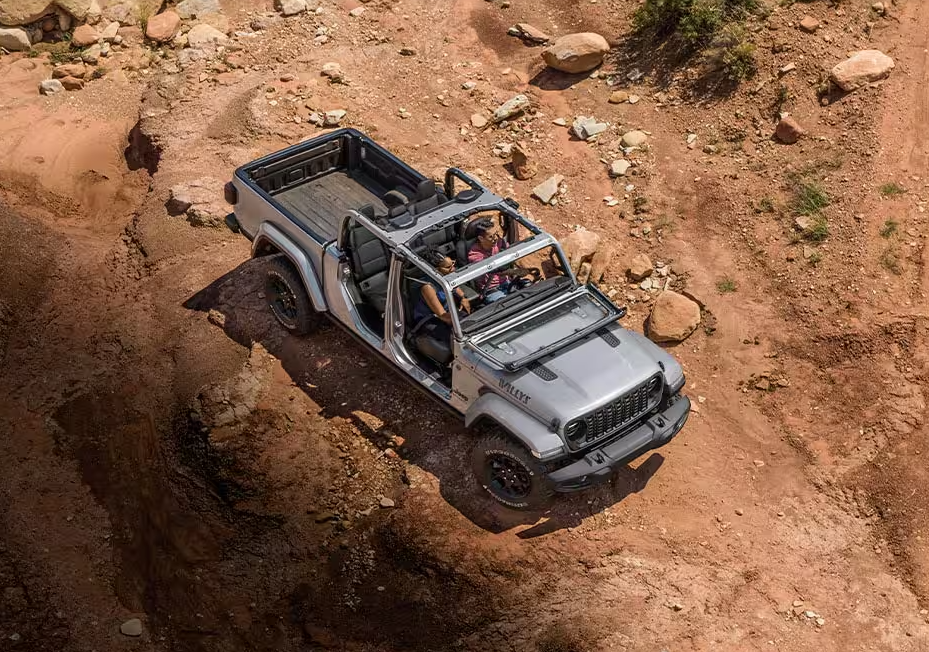
The Jeep Gladiator has always carved out its own niche in the truck world, blending genuine off-road muscle with open-air freedom and real hauling utility. Within the 2026 lineup, the Willys trim holds a particularly interesting spot. It speaks directly to drivers who want more than just a capable-looking truck; they want one actually built with serious trail performance in mind, without paying for features that'll never leave the pavement. Whether you're planning an overland weekend in the Hudson Valley, poking around unpaved back roads outside Carmel, NY, or simply want a Gladiator that backs up its rugged looks with genuine hardware, the Willys delivers. Browse our new Jeep Gladiator inventory to see what's available now. more Why Adventure-Ready Drivers Are Choosing the 2026 Jeep Gladiator Willys What separates the Willys from the rest of the 2026 Gladiator lineup is how it packages off-road hardware typically reserved for higher trims into a more accessible configuration. You get real 4x4 capability, trail-tuned suspension, and a heritage-backed identity that resonates with longtime Jeep fans and newer converts alike. It also pulls double duty as a daily driver, comfortable enough for the commute and more than capable once the pavement ends. Meet the Willys Lineup: Two Trims Built on the Same Legendary Spirit For 2026, the Willys name covers two distinct configurations within the Gladiator family. Both share the same off-road-first philosophy, but they serve slightly different audiences. The Standard 2026 Gladiator Willys The standard Willys builds on the Sport S foundation and adds a focused set of off-road upgrades that meaningfully change how the truck behaves on challenging terrain. Power comes from Jeep's 3.6L V6 producing 285 hp and 260 lb-ft of torque, paired with an 8-speed automatic transmission. Ground clearance sits at 10.0 inches, the approach angle measures 40.8 degrees, and the departure angle comes in at 25.0 degrees. Towing capacity reaches 6,000 lbs., payload tops out at 1,720 lbs., and EPA-estimated fuel economy is 17 city / 22 highway / 19 combined MPG. Starting MSRP is $46,445, and the truck is U.S.-assembled with a 3-year/36,000-mile basic warranty. The New-for-2026 Willys '41: A Heritage Tribute With Modern Edge New to the 2026 lineup, the Willys '41 takes the core Willys package and layers on a tribute to Jeep's origins. The name references the original Jeep Kaiser M715 military truck, paying tribute to Jeep's storied military heritage and the lineage that launched the entire Jeep brand. Exclusive to this variant: Olive Drab paint, period-correct vintage decals, a heritage plaque, painted 17-inch wheels, 32-inch mud-terrain tires, a Mojave hood, steel front and rear bumpers, a Mopar triple hoop grille guard, and skid plates protecting the fuel tank and transfer case. These aren't styling additions for their own sake. The steel bumpers improve approach geometry, the mud-terrain tires add grip on loose surfaces, and the skid plates provide undercarriage protection the standard Willys doesn't include. The Willys '41 mirrors the standard Willys on suspension specs and angles, so the trail performance foundation is identical. For buyers drawn to a truck with a clear identity rooted in heritage and equipped for the present, it's one of the more compelling options in the entire 2026 Gladiator range. Off-Road Hardware That Actually Changes How You Drive There's a real difference between trucks that look off-road ready and trucks that perform differently once the pavement ends. The Willys falls firmly in the second category. Its off-road components aren't decorative; they alter the vehicle's dynamics in meaningful ways on actual terrain. Suspension, Clearance, and Trail Geometry The Willys runs Rubicon-grade shocks, a significant step up from the standard suspension. Ground clearance of 10.0 inches and a 40.8-degree approach angle mean the front of the truck can climb over obstacles without the bumper making contact first. The 25.0-degree departure angle protects the rear when dropping off ledges or clearing steep exit ramps on uneven trails. These numbers matter when you're navigating rocky terrain, crossing shallow water, or climbing over obstacles. They represent genuine engineering decisions, not trim-level marketing. The suspension tuning also affects articulation: how well the wheels maintain contact with uneven ground. Better articulation translates to more traction in situations where a standard setup would leave a wheel spinning in the air. On technical trails throughout Carmel, NY and the broader Hudson Valley, that's a distinction you feel immediately. Locking Differential and Underbody Protection The Willys includes a locking rear differential, which forces both rear wheels to spin at the same speed regardless of traction conditions. With a standard open differential, if one wheel loses grip, power flows to the path of least resistance. The locker eliminates that problem and keeps the truck moving forward with authority. Combined with the Rubicon-grade shocks and the Willys '41's available skid plates, the underpinnings form a cohesive system built for conditions that would stop a less-equipped truck cold. Ready to feel the difference on your own terms? Schedule a test drive and we'll set you up with the trim that matches how you actually drive. Built for the Weekend: Real-World Scenarios Where the Willys Shines Specs only go so far until you picture yourself actually using the truck. The Willys is designed for the kind of adventurous driving that defines weekends for buyers throughout this region. Camping and Overland Trips in the Hudson Valley The Hudson Valley is genuinely strong overland territory. State parks, forest roads, and riverside campsites reward drivers who can get off the beaten path. Clarence Fahnestock Memorial State Park is a natural starting point for campers and trail riders near Carmel, NY, and the Willys handles its rougher access roads without drama. The 60.3-inch steel bed with integrated tie-downs and an easy-lift tailgate provides ample space for camping gear, coolers, and recovery equipment. The removable top and doors add a dimension of connection to the outdoors that no other full-size Jeep truck can match, whether you're cruising with the top down or pushing into a campsite that would turn most vehicles around. Trail Riding and Unpaved Back Roads On technical trails and unpaved back roads, the Willys earns its keep quickly. The lifted suspension, locking differential, and aggressive tires allow for confident navigation through terrain that demands real mechanical capability. Drivers who explore the network of forest roads and off-highway trails throughout the region will immediately notice how different this feels compared to trucks with basic 4WD systems. The 4-door configuration means you can bring passengers along comfortably, making it a social adventure vehicle rather than a solo machine. Rugged Looks That Earn Their Keep: Exterior Styling and Design Intent The Willys trim doesn't chase style for its own sake. Its exterior design choices connect directly to its purpose. The Willys badge carries genuine weight; it signals a lineage that predates most of the competition by decades. The Willys '41 amplifies this with Olive Drab paint, vintage decals, and a heritage plaque that give it a distinct identity within the lineup. Functional additions like the steel bumpers and Mopar triple hoop grille guard reinforce the aesthetic with real hardware. These are design choices with context and meaning, not marketing additions. Truck Capability That Goes Beyond the Trail The Willys is a full-size Jeep truck with genuine credentials. Its 6,000-lb. towing capacity and 1,720-lb. payload make it a practical workhorse for buyers who regularly haul trailers, carry equipment, or move materials. That dual utility, equally at home on a trail or at a job site, is a significant part of what makes it such a compelling option in the 2026 pickup market. The 60.3-inch steel bed also gives it versatility that enclosed SUVs simply can't replicate. Loading and unloading bulky gear is straightforward, and the bed can be outfitted with a wide range of Mopar accessories to suit specific needs. For buyers who want one vehicle that serves as their adventure rig, daily driver, and utility truck all at once, the 2026 Gladiator makes a strong case. We carry a full selection of new Jeep vehicles in Carmel for buyers who want to compare options before deciding. Where the Willys Fits in the 2026 Gladiator Lineup and Why It's a Strong Value Positioned between the base Sport configurations and the more premium Rubicon, the Willys occupies a strategically smart place in the 2026 hierarchy. It delivers a meaningful upgrade in off-road hardware over the Sport and Sport S without the price premium that comes with Rubicon-level capability. Starting at $46,445, it hits a sweet spot for pragmatic adventurers who want genuine trail performance without paying for the most extreme configuration available. The Rubicon's front and rear Tru-Lok differentials and full underbody skid plates make it the right choice for buyers who regularly tackle the most demanding terrain. The Mojave's Fox shocks are tuned for high-speed desert-style running. For Hudson Valley trails, forest access roads, and weekend overland trips, though, the Willys delivers the hardware that matters most. The math favors it over stepping down to a base model and over paying significantly more for capability most drivers will rarely use. Explore the 2026 Jeep Gladiator Willys at Meadowland of Carmel CDJR The 2026 Jeep Gladiator Willys is a well-engineered truck that earns its trail reputation and handles everything else a busy week demands. At Meadowland of Carmel CDJR, we serve adventure-minded buyers throughout Carmel, NY and the surrounding region, including Poughkeepsie, Brewster, and Danbury, CT. Our team can help you choose between the standard Willys and the new Willys '41, walk through financing options, and get you behind the wheel so you can experience the difference firsthand. Contact us to get started; we're ready to help you find the right fit.
2026 Jeep Gladiator vs. Toyota Tacoma: Powertrain & Off-Road Capability Comparison
Picking a midsize truck used to be simple. Not anymore. The 2026 Jeep Gladiator vs. Toyota Tacoma sits at the top of that conversation, and both trucks are genuinely strong contenders chasing the same buyer on paper while delivering completely different experiences once you're behind the wheel. Whether you spend weekends on trails through the Hudson Valley or haul gear for work, powertrain performance and off-road credentials matter as much as anything else on the window sticker. Browse our new inventory or schedule a test drive to get started. more New Jeep Vehicles For Sale New Jeep Gladiator For Sale Call Us Today Gladiator vs. Tacoma: Two Different Philosophies in a Midsize Truck It helps to understand what each truck is actually trying to be. The Gladiator is built around the idea that a truck shouldn't have to compromise. It draws on decades of Jeep off-road heritage and layers that DNA onto a functional, open-air pickup platform. Drop the doors, fold the windshield, pull the top off, and you have something no other truck in this segment even attempts. The Tacoma takes a different path. Toyota built its reputation on reliability and consistency, and the Tacoma reflects that fully. It appeals to buyers who want a capable, dependable truck that handles a daily commute just as confidently as a gravel road. Both approaches are legitimate. Which one fits you depends entirely on how you plan to use it. Under the Hood: Comparing the 2026 Powertrains The engine lineup is where these two trucks begin to separate in meaningful ways. 2026 Jeep Gladiator: The 3.6L Pentastar V-6 The Gladiator runs one engine for 2026: the 3.6L Pentastar V-6, producing 285 hp at 6,400 rpm and 260 lb-ft of torque at 4,400 rpm, paired with an 8-speed automatic. That simplicity is a genuine advantage. No trim-level guesswork about which powertrain you're getting. The V-6 delivers linear, predictable power that's easy to manage in demanding situations, and it has a well-earned reputation for durability every time the pavement runs out. 2026 Toyota Tacoma: Turbocharged Four-Cylinder and i-FORCE MAX Hybrid Toyota moved to a turbocharged 2.4L i-FORCE inline-four as the standard engine. Output varies by trim: SR produces 228 hp and 243 lb-ft at 1,600 rpm, while the SR5 and higher gas trims produce 278 hp and 317 lb-ft at 1,700 rpm. The i-FORCE MAX hybrid adds an electric motor, pushing combined output to 326 hp and 465 lb-ft. That hybrid setup is appealing for drivers who cover long distances and want lower fuel costs, though the added complexity is a trade-off some off-road buyers would rather skip. Power, Torque, and What the Numbers Mean on the Trail Torque, not horsepower, is what moves heavy loads up steep grades and keeps a truck crawling forward when traction gets scarce. The Gladiator's 260 lb-ft edges out the Tacoma SR's 243 lb-ft, and that difference shows up on the Putnam County backroads and technical trails accessible from Carmel. The Tacoma's i-FORCE MAX hybrid does close that gap with its combined output, but the hybrid system's added weight becomes a real liability when maximum articulation and mechanical simplicity are priorities on the trail. Towing and Hauling: Which Truck Works Harder? Towing Capacity Head-to-Head The Gladiator holds a clear advantage here. Properly equipped, it tows up to 7,700 lbs. The Tacoma maxes out at 6,500 lbs on gas configurations and drops to 6,000 lbs with the hybrid. That's a meaningful gap for anyone who tows boats, campers, or trailers on a regular basis. Payload and Bed Utility for Weekend Adventurers Payload tells a similar story. The Gladiator carries up to approximately 1,720 lbs, while Tacoma payload ranges from 1,155 to 1,705 lbs, depending on configuration. Beyond the numbers, the Gladiator's removable doors and fold-down windshield create utility options no conventional cab-and-bed arrangement can match. If you're ready to see available configurations, explore our Gladiator inventory in Carmel, NY or schedule a test drive today. Off-Road Capability: Trail Rated vs. Trail-Ready Both trucks market themselves to outdoor enthusiasts, but their off-road credentials come from genuinely different engineering foundations. The Gladiator carries the Trail Rated badge, earned through rigorous off-road trials measuring traction, water fording, articulation, ground clearance, and maneuverability. The Tacoma is capable off-road, no question, but it approaches that capability from a different structural base. Suspension Architecture: Solid Axle vs. Independent Rear The most fundamental off-road difference between these two trucks is rear suspension design. The Gladiator uses a solid rear axle, which allows both wheels to move together as terrain demands. When one wheel drops into a rut or over a rock, the axle maintains contact and keeps traction where you need it. That articulation is critical on uneven terrain. The Tacoma uses a solid rear axle with either leaf springs or a coil-spring multi-link setup, depending on trim. This delivers a smoother, more composed ride on pavement and light trails when configured with coil springs. The trade-off versus the Gladiator's full coil-sprung Dana 44 setup is less factory-tuned articulation and a different approach to load-carrying. For technical off-roading, the Gladiator's coil-sprung Dana 44 axles paired with available locking front and rear differentials provide a hardware advantage that genuinely matters. Worth noting: the Tacoma TRD Pro is equipped with 2.5-inch FOX QS3 internal bypass shocks with rear remote reservoirs over its solid rear axle with coil-sprung multi-link locating arms. Factory Hardware: Lockers, Skid Plates, and Ground Clearance The Gladiator Rubicon includes front and rear locking differentials, an electronic sway-bar disconnect for maximum articulation, 33-inch tires, Rock-Trac 4WD, full skid plates, and 11.1 inches of ground clearance (the Mojave reaches 11.6 inches, the highest of any Gladiator). The Tacoma TRD Pro brings 2.5-inch FOX QS3 internal bypass shocks, 33-inch tires, Multi-Terrain Select, Crawl Control, a standard locking rear differential, a standard Stabilizer Disconnect Mechanism (SDM) front sway bar disconnect, and skid plates, with 11.5 inches of ground clearance. For moderate to challenging off-road conditions, it performs with real confidence. For the most technical rock crawling, the Rubicon's locking front differential and Rock-Trac 4:1 low-range transfer case provide hardware the Tacoma TRD Pro doesn't match. 2026 Gladiator vs. Tacoma: Specs Comparison at a Glance Specification 2026 Jeep Gladiator (Sport) 2026 Toyota Tacoma (SR 4x2) 2026 Toyota Tacoma (i-FORCE MAX Hybrid) Engine 3.6L Pentastar V-6 2.4L Turbo I-4 2.4L Turbo I-4 Hybrid Horsepower 285 hp @ 6,400 rpm 228 hp 326 hp Torque 260 lb-ft @ 4,400 rpm 243 lb-ft @ 1,600 rpm 465 lb-ft Transmission 8-speed automatic 8-speed automatic 8-speed automatic Max Towing 7,700 lbs 6,500 lbs 6,000 lbs Max Payload ~1,720 lbs up to 1,705 lbs Varies Fuel Economy (city/hwy/comb) 17/22/19 mpg 20/26/23 mpg 23/24/23 mpg Ground Clearance Rubicon 11.1 in. / Mojave 11.6 in. 9.4 in. TRD Off-Road 11 in. / TRD Pro 11.5 in. Drivetrain 4WD RWD / 4WD 4WD Real-World Performance Around Carmel and Beyond The Hudson Valley offers a compelling mix of terrain for midsize truck owners. From rocky backroads near Carmel and the trails at Fahnestock State Park to open highways toward Poughkeepsie and Danbury, a truck needs to perform well across multiple settings. The Gladiator handles that range comfortably: its V-6 delivers confident acceleration on highway on-ramps, the open-air design makes summer driving genuinely enjoyable, and the off-road hardware means no trailhead needs a second thought. The Tacoma brings consistent, reliable performance to those same roads. Drivers who prioritize comfort and fuel efficiency will appreciate the i-FORCE MAX hybrid on longer commutes. But when conditions get rough, the Gladiator's additional off-road hardware and solid axle architecture give it a clear edge on the terrain surrounding Carmel. Which Midsize Truck Is Right for You? The decision comes down to priorities: Maximum off-road hardware, higher towing capacity, open-air driving capability → Gladiator Daily commute comfort, fuel savings, hybrid option → Tacoma Want a truck that tackles serious terrain, removes its doors for a summer trail run, and tows a 7,700-lb trailer? The Gladiator is the clear choice. If fuel efficiency and hybrid technology are your primary concerns, the Tacoma makes a strong case. For buyers leaning toward the Gladiator, we carry a full selection of new Jeep vehicles at Meadowland of Carmel, including multiple Gladiator trims from Sport to Rubicon. Test Drive the 2026 Jeep Gladiator at Meadowland of Carmel CDJR The Gladiator's capabilities are best experienced in person. We're located at 1952 US-6 in Carmel, NY, serving drivers throughout Carmel, Poughkeepsie, Brewster, and Danbury, CT. Contact us to schedule your test drive and find out firsthand why the 2026 Jeep Gladiator is the stronger choice for serious off-road and towing capability in the midsize segment.
2026 Jeep Grand Cherokee Interior Features That Make Every Ride Better
The 2026 Jeep Grand Cherokee isn't just capable on paper. Step inside and you'll understand almost immediately why this vehicle keeps earning attention in a crowded segment. The interior reflects a clear philosophy: every surface, every feature, every layout decision should serve the driver and passengers first. Whether you're hauling the family on a weekend trip or grinding through a daily commute around Carmel, NY, what's inside this SUV matters just as much as what's under the hood. more A 2026 Jeep Grand Cherokee Interior Built for How You Actually Drive The Grand Cherokee has always walked that line between rugged capability and refined comfort, but the 2026 model sharpens that balance considerably. The cabin feels intentional rather than assembled by committee. Controls sit where your hands naturally fall, storage shows up where you actually need it, and the materials feel worthy of what you're paying. If you're researching a new Jeep Grand Cherokee in Carmel, NY, the interior is one of the strongest arguments for it. Across trim levels, Jeep engineered the Grand Cherokee to feel tailored rather than generic. Seating Comfort and Passenger Space Designed for Real Families One of the first questions buyers ask when shopping this vehicle: how many seats does the Jeep Grand Cherokee have? It depends on the configuration. The standard Grand Cherokee seats five across two rows, while the three-row Grand Cherokee L stretches that to six or seven occupants, giving families genuine flexibility. Front Seats: Supportive, Adjustable, and Ready for Long Commutes The front seating experience is built for drivers who spend real time in their vehicles. Jeep engineered 8-way power adjustment for both driver and passenger as standard, along with height adjustment, power-adjustable lumbar support, and multi-level heated seats. Front head room measures 39.9 inches, leg room comes in at 41.3 inches, and shoulder room reaches 59.2 inches. That's a genuinely spacious environment for adults of any size. Higher trims step up to 16-way adjustable seats with memory presets and massage functionality, which makes a meaningful difference on longer drives through the Hudson Valley. Ventilated front seating is available on the Limited Reserve and above. Cold Carmel, NY mornings become far more manageable, and long highway stretches toward Danbury, CT or Poughkeepsie feel noticeably less fatiguing. Second and Third Row: Legroom, Flexibility, and Thoughtful Access Rear passengers benefit from genuinely usable legroom rather than the token space many competitors offer. Heated rear seats are available on the Limited trim and above, a welcome feature during the winter months. In the three-row Grand Cherokee L, third-row access is handled through a fold-forward second-row mechanism that kids and smaller adults navigate easily. The seat itself provides reasonable support rather than the afterthought-style bench you'll find in many three-row SUVs. Uconnect 5 Infotainment and the Tech That Keeps Everyone in the Loop Uconnect 5 NAV is one of the main reasons the 2026 Grand Cherokee interior feels genuinely modern. The 12.3-inch Uconnect 5 NAV touchscreen comes standard on the Laredo Altitude and above, running on a faster processor than its predecessor. The base Laredo and Laredo X use an 8.4-inch touchscreen, which still supports navigation and connects seamlessly to your devices. It responds quickly, supports over-the-air software updates, and handles navigation, audio, and vehicle settings through a clean interface. For the front passenger, an available 10.25-inch interactive display lets the copilot send route updates directly to the central screen, a genuinely practical feature on longer trips. Wireless Apple CarPlay, Android Auto, and Charging Convenience Wireless Apple CarPlay and wireless Android Auto come standard on the Laredo Altitude and above, eliminating the cable clutter that still plagues plenty of competing vehicles. The base Laredo and Laredo X include wired CarPlay and Android Auto. Wireless charging pads are available on the Altitude trim and above, letting you drop your phone and stay powered throughout your drive. If you want to experience how seamlessly the tech integrates before committing, schedule a test drive and see Uconnect 5 NAV in action firsthand. Cabin Materials and Trim Levels at a Glance Each trim level brings a distinct character to the cabin. Rather than describe each one at length, the table below captures the key differences using confirmed 2026 specifications. Trim Key Standard Features Key Available Upgrades Laredo Cloth seats, 8.4" Uconnect touchscreen, wired CarPlay/Android Auto, power-adjustable driver seat Sunroof (Laredo X), ambient LED lighting Laredo X Cloth seats, 8.4" Uconnect touchscreen, wired CarPlay/Android Auto, power-adjustable driver seat, heated front seats, heated steering wheel, wireless charging, moonroof Ambient LED lighting Laredo Altitude Suede and synthetic leather seats, 12.3" Uconnect 5 NAV, wireless CarPlay/Android Auto, heated front seats, heated steering wheel, wireless charging Panoramic sunroof (Altitude X) Limited Premium leather seats, 12.3" Uconnect 5 NAV, wireless CarPlay/Android Auto, heated front and rear seats, heated steering wheel, wireless charging, ambient LED lighting Alpine audio, ventilated front seats, panoramic sunroof Limited Reserve Premium leather seats, 12.3" Uconnect 5 NAV, wireless CarPlay/Android Auto, ventilated front seats, heated front and rear seats, heated steering wheel, wireless charging, ambient LED lighting 16-way seats, digital rearview mirror Summit Quilted Palermo leather seats, 12.3" Uconnect 5 NAV, wireless CarPlay/Android Auto, McIntosh 19-speaker 950W audio, 4-zone climate control, ventilated front and rear seats, suede headliner, digital rearview mirror 16-way seats with massage, 10.25" passenger screen, CommandView sunroof The multicolor ambient LED lighting system is available across all trims as an upgrade, letting buyers personalize the cabin atmosphere regardless of where they enter the lineup. Buyers exploring all available new Jeep vehicles in Carmel will find the Grand Cherokee's trim range one of the most flexible in the segment. Standout Interior Features Worth Knowing About A handful of individual features deserve specific attention because they meaningfully affect daily ownership. Rear view camera and rear parking sensors standard on all trims Adaptive cruise control standard across the lineup Keyless ignition, tilt and telescopic steering wheel, and steering wheel controls for transmission, cruise, and audio all standard Dual illuminating vanity mirrors with turn signals in mirrors standard Overhead console with storage, front seatback storage, and front and rear door pockets standard Hands-free power liftgate available on select trims Interior air filtration system standard across all trims Digital rearview mirror and off-road camera system available on higher trims CommandView dual-pane panoramic sunroof available on Altitude X, Limited, and above The McIntosh 19-speaker, 950-watt audio system is standard on Summit models and delivers a genuinely concert-quality listening experience. For anyone who spends meaningful time commuting, the difference between the base six-speaker setup and the McIntosh system is not subtle. Cargo Versatility and Everyday Storage That Keeps Life Organized The 2026 Grand Cherokee offers 37.7 cubic feet of cargo space behind the rear seats. To put that in real-world terms: during testing, the cargo area fit 13 standard carry-on suitcases with the seats up. Fold the rear seats flat and that number jumps to 28 carry-ons. For families loading up in Carmel, NY before a road trip toward Danbury, CT or heading north to Poughkeepsie, that kind of practical capacity makes a real difference. In the three-row Grand Cherokee L, cargo behind the third-row seats measures 17.2 cubic feet, offering meaningful space even when all seats are occupied. Everyday cabin storage is equally well-considered: deep door pockets, a large center console bin, a forward storage area, and cupholders sized for modern oversized cups. Rear passengers get their own storage pockets and cupholder access, cutting down on the front-to-back hand-off routine that leads to spills on family trips. Driver-Assist Technology That Makes Every Commute More Confident The 2026 Grand Cherokee includes a solid suite of driver-assist technologies that work quietly in the background to reduce fatigue and improve safety. Adaptive cruise control comes standard, handling highway pacing without constant input. Rear parking sensors and a rear-view camera are standard across all trims, and a digital rearview mirror with off-road camera system is available on higher configurations. The standard interior air filtration system is a practical addition for New York drivers, filtering out pollutants and allergens during daily commutes on Route 6 or highway stretches between Carmel and Brewster. These systems reflect Jeep's approach to building a cabin that genuinely protects and supports occupants, not just one that looks the part. Explore the 2026 Grand Cherokee Interior at Meadowland of Carmel Visit Us and See It in Person Reading about the 2026 Jeep Grand Cherokee interior tells part of the story. Sitting in one tells the rest. We carry new Jeep inventory, including the 2026 Grand Cherokee across multiple trim levels, and our team is ready to walk you through every cabin detail and help match the right configuration to how you actually use your vehicle. Start the Process Today Meadowland of Carmel serves buyers from Carmel, Poughkeepsie, Brewster, and Danbury, CT. Whether you're ready to move forward or just want to ask a few questions, our financing team can help you understand your options, and you can always reach out to us directly to get started. The 2026 Jeep Grand Cherokee rewards close inspection, and the interior is where the investment shows most clearly.
How to Evaluate a Used Jeep Wrangler Before You Buy
Buying a used Jeep Wrangler means getting an iconic off-road vehicle with legendary capability and strong resale value. These vehicles hold their worth better than most, but that popularity creates unique challenges. At Meadowland of Carmel CDJR, we help buyers navigate these challenges daily, and we know Wranglers often lead adventurous lives that hide wear beneath their rugged exterior. Understanding what makes these vehicles tick and where problems typically develop helps you spot a solid investment versus a money pit. more Why Evaluating a Used Jeep Wrangler Takes Special Care Jeep Wranglers attract enthusiasts who push these vehicles to their limits. Previous owners may have taken them rock crawling every weekend or modified the suspension for extreme trails, creating inspection challenges you won't find with typical sedans or crossovers. The Wrangler's body-on-frame construction and removable components mean more entry points for water and dirt. Soft tops, drain holes, and exposed areas make these vehicles prone to rust in ways that unibody designs avoid. The modular nature that makes Wranglers fun to customize also means components might not match or work together properly. Off-road use puts stress on parts that other vehicles rarely experience. What looks like normal wear might indicate serious frame damage or drivetrain issues underneath. A fresh coat of spray paint can hide rust, and cosmetic repairs might mask structural concerns. That's why we encourage customers to browse our used Jeep Wrangler inventory, where vehicles undergo thorough inspection before reaching our sales lot. Service History and Documentation Checklist Complete service records tell the real story of how someone treated their Wrangler. Look for consistent oil changes at proper intervals (every 5,000 miles for normal driving or 3,000 miles for off-roading). Regular maintenance suggests an owner who valued the vehicle. Documentation should include major repairs and warranty work. If someone replaced the clutch at 40,000 miles, that raises questions about driving habits. Multiple transmission services before 60,000 miles might indicate towing abuse or mechanical problems. Transfer case and differential service records matter more on Wranglers because these components work harder during four-wheel-drive operation. Check for recall completion and technical service bulletins addressed by previous dealers. Missing service records aren't necessarily a deal breaker, but they require more thorough mechanical inspection to compensate for unknown history. Exterior, Frame, and Underbody Inspection The body and frame deserve careful attention because cosmetic issues often signal deeper problems. Panel gaps and alignment should look consistent around doors, hood, and fenders. Uneven gaps or mismatched paint might indicate accident damage or poor repair work. Rust and Corrosion Hot Spots to Check In the Carmel, NY area, winter salt exposure makes rust inspection critical. Wranglers develop corrosion in predictable locations. Body mounts where the tub connects to the frame trap moisture and salt, creating corrosion that compromises structural integrity. Look for bubbling paint, flaking metal, or soft spots. Door hinges and lower door corners rust from the inside out. Open each door and inspect the hinge area thoroughly, checking for weakness or excessive play. The tailgate follows similar patterns, especially around the spare tire mount and latch mechanism. Underneath, focus on the frame rails from front to back. Surface rust shows an orange-brown color but feels solid, while penetrating rust flakes away when scraped. The rear frame section near the gas tank and exhaust often shows damage first because heat and moisture concentrate there. Frame Integrity and Underbody Condition Get under the Wrangler with good lighting to assess the frame's true condition. Look for cracks near welds, especially around suspension mounting points and crossmember connections. Previous off-road impacts can create stress fractures that appear as thin lines in the metal. Check skid plates and rock sliders for impact damage that transferred force into the frame. Deep dents or bent sections indicate hard hits that might have affected frame straightness. Inspect suspension mounting points for elongated bolt holes or cracked metal around shock towers. These areas take tremendous force during off-road driving, and damage here affects handling and safety. How to Evaluate Modifications on a Used Jeep Wrangler Modified Jeeps require extra scrutiny because aftermarket parts affect reliability and safety. Quality modifications installed by professionals can enhance capability, but amateur work often creates problems. Understanding what to look for helps determine whether modifications add value or signal trouble. Lift kits change suspension geometry and stress components. Check for adjustable control arms that correct angles properly, and upgraded track bars that maintain safe steering geometry. Cheap spacer lifts without proper correction parts cause accelerated wear on ball joints, tie rods, and unit bearings. Larger tires need corresponding gear ratio changes to maintain proper engine performance. If someone installed 35-inch tires but kept stock 3.21 gears, the drivetrain struggles. Ask about regearing and speedometer recalibration. Examine how modifications were installed. Quality shops use proper hardware, maintain adequate thread engagement, and protect exposed wiring. Home installations often show zip ties holding wires, exposed connections, and shortcuts that create safety hazards. Mechanical and Drivetrain Inspection Checklist The powertrain and drivetrain components determine whether a used Wrangler delivers reliable transportation or constant repair bills. These systems work harder than in typical vehicles, especially with regular off-road use or towing. Check critical components before purchase to prevent expensive surprises. Engine, Fluids, and Cooling System Start with a cold engine to check for fluid leaks and starting behavior. Oil leaks around the valve cover, oil pan, and rear main seal are common on higher-mileage engines but shouldn't be excessive. Small seepage is normal, but active dripping indicates seals needing replacement. Check oil level and condition. Fresh oil should look amber or light brown, while dark, thick oil suggests neglected maintenance. Metal flakes or a milky appearance signal serious internal damage. Coolant should appear bright without rust particles or oil contamination. Listen to the engine idle for unusual noises. The 3.6-liter Pentastar engine should sound smooth without ticking, knocking, or rattling. Valve train noise when cold that disappears when warm is generally acceptable, but persistent knocking indicates problems. Rev the engine gently and watch for blue smoke from the exhaust, which signals worn piston rings or valve seals. Check the cooling system for leaks around the water pump, radiator hoses, and heater core connections. Many Wranglers develop radiator leaks around plastic end tanks, so look carefully for staining or corrosion. Suspension, Steering, and Tire Condition Grab each front tire at top and bottom, then try to rock it. Movement indicates worn unit bearings or loose ball joints needing replacement. Repeat the process, i.e., pushing and pulling from the sides to check tie rod ends and steering components. Bounce each corner and watch how the suspension responds. It should settle quickly without continued bouncing, which would indicate worn shocks. Listen for clunking or squeaking that suggests worn bushings or loose components. Inspect tires for even wear across the tread. Cupping or scalloping indicates suspension problems or the lack of rotation. Excessive wear on inner or outer edges signals alignment issues. Tire tread depth should measure at least 4/32 inch for safe wet-weather driving. Examine brake rotors through the wheels for scoring, rust, or discoloration indicating overheating. Test the brake pedal feel with the engine running. It should feel firm without sinking slowly. Test Drive Cues and Questions to Ask the Seller The test drive reveals problems that static inspection can't detect. Plan a route that includes highway speed, stop-and-go traffic, rough pavement, and turns in both directions. Ready to experience one yourself? Schedule a test drive at our Carmel location. What to Feel and Listen For Pay attention to how the engine accelerates from a stop. It should pull smoothly without hesitation or unusual vibration. Automatic transmissions should shift crisply through all gears without slipping or harsh engagement. Manual transmissions need smooth clutch engagement and should shift without grinding. Highway driving shows whether the Wrangler tracks straight or pulls to one side. Vibration at highway speed might indicate unbalanced tires, bent wheels, or driveline issues. The death wobble appears as violent shaking when hitting bumps at speed, signaling serious steering or suspension problems requiring immediate attention. Wind noise around doors and the soft top increases with speed, which is normal. The transfer case should operate quietly in two-wheel drive and engage smoothly when shifted to four-wheel drive. Grinding or clunking during engagement suggests internal problems. Test the four-wheel-drive system in a safe area. Shift into four-high and make turns at low speed to confirm the front axle engages properly. Try four-low if possible to verify the low-range gears work correctly. Key Questions Before You Buy Ask the seller directly about off-road use and modifications. Understanding how they used the Wrangler helps assess potential hidden damage. Find out whether they performed their own maintenance or used professional shops. Inquire about any accidents or insurance claims, even minor ones. Frame damage from collisions affects safety and resale value significantly. Ask whether the vehicle was ever underwater or exposed to saltwater, which accelerates corrosion. Request information about ongoing issues or recent repairs. Ask why they're selling (the reason might indicate problems they don't want to admit directly). Confirm the title is clear without liens, and verify the VIN matches the title and registration. Shop Used Jeep Wranglers at Meadowland of Carmel CDJR We understand that evaluating used Jeep Wranglers requires expertise and time. At Meadowland of Carmel CDJR, our used and certified pre-owned vehicles undergo thorough inspection before reaching our sales lot. Our factory-trained technicians know exactly what to look for in Wranglers, from frame integrity to modification quality. Our CPO program provides additional confidence with warranty coverage and verified inspection reports. These vehicles meet strict criteria for condition and maintenance history. As part of the Volz Auto Group, we offer access to quality inventory across multiple locations, giving you more selection when shopping for the right Wrangler. Our service team at 1952 US-6 in Carmel offers pre-purchase inspections and ongoing maintenance to protect your investment. We understand northern Westchester and Putnam County driving conditions and what they mean for vehicle longevity. Ready to find your next Wrangler? Browse our inventory or contact us to schedule an evaluation. Call our sales team at 845-704-4245 Monday through Thursday 9 AM to 7 PM, Friday and Saturday 9 AM to 6 PM. For service needs, reach us at 845-842-7355 weekdays 7:30 AM to 5 PM or Saturday 8 AM to 3:30 PM.
2026 Jeep Grand Cherokee L vs. Regular Grand Cherokee: Which SUV Fits Your Lifestyle?
Choosing between the 2026 Jeep Grand Cherokee and the three-row Grand Cherokee L comes down to one question: how do you actually use your SUV? Both vehicles deliver Jeep's legendary capability and premium comfort, but they're built for different daily realities. The regular Grand Cherokee handles like a true midsize SUV with two rows of spacious seating, while the Grand Cherokee L stretches out to accommodate a third row without sacrificing the refined driving experience you expect. Understanding these differences helps you pick the right fit instead of paying for space you don't need or wishing you had room for just one more passenger. Schedule a test drive at Meadowland of Carmel to experience both models and discover which one matches your lifestyle. more Two Rows or Three: Understanding Your Real-World Needs The core distinction centers on passenger capacity and how it shapes your daily routine. The standard 2026 Grand Cherokee seats five comfortably across two rows, giving you a vehicle that balances interior space with athletic handling. This configuration works beautifully for couples, small families, or anyone who values cargo room over maximum seating. The Grand Cherokee L adds a third row that brings total seating to seven passengers, transforming the vehicle into a people mover capable of handling full family trips, sports teams, or group outings without leaving anyone behind. Think about your typical week. Do you regularly transport more than four people, or does your back seat usually sit empty? The answer guides you toward the right model. Everyday Maneuverability: Parking, Garages, and City Driving Grand Cherokee: The Nimble Advantage The two-row Grand Cherokee measures 193.5 inches long, making it notably easier to navigate through tight parking lots and crowded streets around Carmel and Brewster. This compact footprint means less stress when parallel parking downtown or squeezing into your garage at home. The vehicle feels responsive in traffic and turns with precision, giving you confidence whether you're weaving through city blocks or taking mountain roads. Owners who live in urban areas or have older garages with tighter clearances appreciate how the standard model handles like a smaller SUV while still delivering premium space inside. Grand Cherokee L: Still Manageable, Just a Bit More SUV The Grand Cherokee L stretches to 204.7 inches in length, adding 11.2 inches to accommodate that third row. The width remains similar to the standard model, so you're not dealing with a significantly wider vehicle in narrow lanes. What changes is the turning radius and overall presence on the road. You'll notice the extra length when backing into spots or navigating parking structures, but the difference isn't dramatic. Modern driver assistance features help compensate, and the available 360-degree camera system maintains excellent visibility. The L still fits in most standard garages and parking spaces without issue. Passenger Space: Who's Riding with You? Family Road Trips and Carpool Duty Both models shine in the first and second rows, offering generous shoulder room and supportive seats that make long drives comfortable. The Grand Cherokee provides 145 cubic feet of passenger volume, while the L expands to 152 cubic feet across all three rows. Adults get plenty of stretch-out space in the second row of either model. Where families with multiple kids or frequent carpoolers see the benefit is in having that flexibility to add passengers without cramming everyone together or making multiple trips between Carmel and Poughkeepsie. The second row in both vehicles includes USB ports, climate controls, and easy access to the cargo area. Kids appreciate the personal space, and parents value the quiet ride that keeps road trip chaos to a minimum. When you're shuttling teammates to practice or picking up extended family at the airport, the L's third row removes the "who sits in the middle" debate entirely. When the Third Row Makes Sense The third row in the Grand Cherokee L works best for kids or occasional adult passengers on shorter trips. It's not designed for full-size adults on cross-country journeys, but it handles school runs, weekend adventures around Danbury, and in-town driving comfortably. The power-folding seats drop flat when not in use, so you're not sacrificing cargo space on a daily basis. Families with young children find the third row transforms their hauling capacity for years until kids grow into needing more legroom. If you only need extra seating a few times per year, the two-row model with its more compact dimensions might serve you better. But when that third row becomes part of your regular routine, whether for kids, carpools, or social activities, the L justifies the extra space. Explore our Grand Cherokee L selection to see available configurations with second-row captain's chairs or bench seating. Cargo Room: Groceries, Gear, and Everything In Between Cargo with All Seats in Use The standard Grand Cherokee offers 37.7 cubic feet of cargo space behind the second row, enough for a week's worth of groceries, sports equipment, or several large suitcases. This capacity handles everyday life without requiring you to fold seats or play Tetris with your gear. The opening is wide and low, making it easy to load heavy items without straining. The Grand Cherokee L provides 17.2 cubic feet with all three rows in use, which covers grocery runs and daily essentials but fills up quickly with larger items. Understanding this trade-off matters when you're weighing passenger capacity against hauling needs. Most families using the third row regularly accept this compromise because the ability to transport everyone together outweighs the reduced cargo space. Folding Seats for Maximum Hauling Fold the second row in the standard Grand Cherokee and you unlock 70.8 cubic feet of cargo space, transforming the SUV into a serious hauler for furniture, camping gear, or home improvement projects. The flat load floor and square cargo area make packing efficient. The Grand Cherokee L takes this capability even further. With the third row folded flat, you gain 46.9 cubic feet of cargo volume, and folding both the second and third rows creates a maximum 84.6 cubic feet of hauling space. This extra capability means you can handle larger items like mattresses, appliances, or complete camping setups for extended trips. Both vehicles maximize their available space intelligently, but the L offers more real estate when you need to haul instead of transport people. Browse our Grand Cherokee lineup to compare cargo configurations in person. Ride Comfort and Winter Driving Confidence Both models deliver smooth, refined rides that absorb road imperfections without harsh jolts. The suspension tuning prioritizes comfort while maintaining body control through corners, giving you a composed feel whether you're cruising highways or navigating winding backroads. Both models offer sophisticated available 4WD systems, including Quadra-Trac I and the more advanced Quadra-Drive II with rear electronic limited-slip differential. The Selec-Terrain Traction Management System provides five specialized drive modes including Auto, Sport, Rock, Snow, and Mud/Sand, adjusting throttle response, transmission shifting, and traction control to match conditions. Snow-covered roads, icy patches, and muddy trails all become manageable with the right mode selected. Both the standard Grand Cherokee and the L are available with the new 2.0L Hurricane Turbo I4 engine producing 324 horsepower and 332 lb-ft of torque. Base Laredo and Laredo X trims come equipped with a 3.6L Pentastar V6 delivering 293 horsepower, while the Hurricane I4 becomes the standard engine from the Laredo Altitude trim upward. Whichever powertrain you choose, both vehicles share the same engine options and deliver capable, confident performance in all weather conditions. Questions to Ask Yourself Before Choosing Before deciding between configurations, take a moment to think about how you plan to use your SUV day to day. These questions can help you determine which option best fits your lifestyle: How many passengers do you regularly transport, and does that number include occasional guests or permanent fixtures in your daily routine? Do you have a compact garage, street parking in a dense neighborhood, or tight office parking lots that would make the L's extra 11.4 inches challenging? Would you rather have maximum cargo space with five seats, or accept less everyday cargo capacity to gain seating flexibility? Do you haul sports equipment, strollers, or work gear daily that requires the standard model's 37.7 cubic feet with all seats up? How often will you actually use a third row, and will those passengers primarily be kids or adults? Are you planning to keep this vehicle as your family grows or changes over the next several years? Find Your Perfect Fit at Meadowland of Carmel CDJR Deciding between these two capable SUVs becomes easier when you experience them in person. Our team at Meadowland of Carmel CDJR understands that your lifestyle dictates which Grand Cherokee works best, and we're ready to help you explore both options without pressure. Located at 1952 US-6 in Carmel, NY, we serve families throughout Carmel, Poughkeepsie, Brewster, and Danbury with a straightforward approach to finding your ideal vehicle. You can sit in both models, check cargo space with your actual gear, and see how the dimensions work for your garage and parking spots. Our sales team walks you through available trims, colors, and options while explaining financing solutions that fit your budget. As part of the Volz Auto Group, Meadowland of Carmel offers access to quality used and certified pre-owned inventory if you're considering previous model years alongside the 2026 lineup. Visit Us Today Ready to compare these SUVs side by side? Call our sales team at 845-704-4245 or schedule a test drive online. You can also stop by during sales hours Monday through Thursday from 9 AM to 7 PM, Friday and Saturday from 9 AM to 6 PM. Contact our team to ask specific questions about availability and pricing. Whether you choose the nimble two-row or the spacious three-row model, you're getting a premium SUV built by Jeep to handle everything from daily commutes to weekend adventures with confidence.
Breaking Down the 2026 Jeep Wrangler Trim Levels: Sport, Sahara, Rubicon & More
Choosing the right Wrangler can feel overwhelming when you're staring at seven different trim levels plus special editions. The 2026 Jeep Wrangler lineup ranges from budget-friendly adventurers to V8-powered trail beasts, and understanding these differences saves you from buyer's remorse. You might love the idea of a Rubicon's rock-crawling prowess, but if you're mostly commuting with weekend camping trips, you're paying for capability you'll rarely use. At Meadowland of Carmel CDJR, we help buyers navigate these choices to find the trim that actually fits their needs. Browse our new Jeep Wrangler inventory to see which trims are currently available. more Finding Your Perfect 2026 Jeep Wrangler: Start With Your Goals Before falling in love with a specific color or wheel design, be honest about how you'll actually use your Wrangler. Planning serious rock crawling on technical trails, or do you want the Jeep aesthetic for weekend adventures? Your answer dramatically changes which trim makes sense. Consider your typical week. If you're driving kids to school or making client visits around Carmel and Westchester County, comfort features jump in importance. The four-door configuration offers significantly more space for passengers and cargo; two-door models provide better maneuverability on tight trails. Think about who rides with you regularly and whether Hudson Valley winters mean heated seats become necessities rather than luxuries. Entry-Level Adventure: Sport and Sport S 2026 Jeep Wrangler Sport: The Foundation Best for: Budget adventurers wanting pure Jeep essence for casual trails and daily errands. The Sport trim proves you don't need to drain your savings to join the Jeep family. This entry point includes everything that makes a Wrangler legendary: removable doors, fold-down windshield, and genuine off-road capability. You get Command-Trac part-time 4x4, skid plates protecting fuel tank, transmission, and transfer case, plus tow hooks that actually work. With 9.7 inches of ground clearance and 32-inch tires, the Sport handles fire roads, beach driving, and light trails confidently. This trim makes particular sense if you're planning modifications. Why pay for premium wheels and suspension when you're replacing them anyway? The money saved on the base price funds lift kits, better tires, and lighting upgrades that matter more than factory premium packages. 2026 Jeep Wrangler Sport S: Everyday Comfort Upgrades Best for: Commuters who need daily comfort without sacrificing weekend capability. The Sport S addresses the biggest complaint about the base Sport: daily driving comfort. You're adding adaptive cruise control, forward collision warning, and LED lighting that makes your commute more bearable while keeping the price reasonable. The upgraded cloth seats provide better support, and the available Alpine audio system produces clear sound at highway speeds where wind noise typically dominates. Think of the Sport S as the sweet spot for buyers who want Wrangler capability without sacrificing everyday practicality. The modest price increase buys you features you'll use every single day, not just on weekend adventures. Off-Road Value: Willys and Willys '41 2026 Jeep Wrangler Willys: Trail-Ready Without the Premium Price Best for: Weekend warriors who genuinely hit trails but don't need extreme rock-crawling gear. The Willys trim targets buyers who want serious off-road gear without Rubicon pricing. Rock rails, 33-inch off-road tires, and 9.7 inches of ground clearance come standard, along with Command-Trac 4x4 with rear locker. The 17-inch black wheels, gloss black grille, and Willys hood decals announce your off-road intentions. The capability gap between Sport and Willys becomes obvious quickly. Rock rails protect your rocker panels on technical trails, while upgraded suspension handles rough terrain better. Specialized tires dramatically improve traction on loose surfaces and mud. The Willys conquers 80% of trails you'll actually drive without the complexity or maintenance costs of more advanced systems. The Willys '41 special edition adds heritage styling to the standard Willys capability, with military-inspired badging, drab blue decals, and tan interior trim celebrating Jeep's military roots. For buyers who appreciate the brand's history, this distinctive look stands out from standard Wranglers on the trail. 2026 Jeep Wrangler Sahara: The Refined Daily Driver Best for: Buyers prioritizing daily comfort and highway refinement with weekend adventure capability. The Sahara shifts focus from hardcore off-roading to comfortable daily driving. Available only in four-door configuration, this trim features Selec-Trac full-time 4WD, body-color Freedom Top hardtop, black leather seats, and the 12.3-inch Uconnect touchscreen. The optional Sky One-Touch power top changes everything about owning a convertible. Press a button and enjoy open-air driving in seconds rather than wrestling with manual latches. The Sahara optimizes for daily comfort you'll appreciate constantly while still handling moderate off-roading competently. Leather-trimmed seats, heated front seats, and all-terrain tires on 18-inch wheels create an environment that doesn't punish you for choosing a Wrangler as your daily driver. Body-colored exterior elements give the Sahara a more upscale appearance that fits better in corporate parking lots around Westchester County. Maximum Trail Capability: Rubicon and Rubicon X 2026 Jeep Wrangler Rubicon: Built for Serious Off-Roading Best for: Serious enthusiasts who regularly tackle technical terrain and need legitimate rock-crawling capability. The Rubicon includes hardware most SUVs can't touch: Rock-Trac 4x4 with electronic locking front and rear differentials, electronic sway bar disconnect, and 10.8 inches of ground clearance. These systems determine whether you complete difficult trails or turn back. Locking differentials ensure both wheels on an axle spin together, which becomes crucial when one wheel lifts off the ground on extreme terrain. The disconnecting sway bar allows massive wheel articulation, keeping 33-inch tires planted on uneven surfaces. Combined with full skid plate protection and ParkSense, the Rubicon tackles obstacles that seem impossible. Available in both two-door and four-door configurations, this trim targets buyers who need genuine capability, not just the Jeep image. 2026 Jeep Wrangler Rubicon X: Enhanced Trail Experience Best for: Buyers who want maximum capability wrapped in premium comfort features. The Rubicon X takes the Rubicon's trail-conquering hardware and packages it with steel bumpers, a forward-facing off-road camera, Nappa leather upholstery, power-adjustable heated front seats, a heated steering wheel, a nine-speaker Alpine sound system, a body-color three-piece hardtop, sound-insulated front windows, navigation, and a full suite of driver assistance tech including blind-spot monitoring and rear cross-traffic alert. This trim targets buyers who can afford the best and refuse to compromise. You want to tackle difficult trails Saturday, then comfortably drive to dinner Sunday evening. 2026 Jeep Wrangler Moab 392: V8 Power for Those Who Want It All Best for: Enthusiasts who want ultimate Wrangler performance and have the budget for V8 power. The Moab 392 leads the 2026 lineup as the first of Jeep's "Twelve 4 Twelve" limited-edition releases celebrating the brand's 85th anniversary. It is powered by a 6.4-liter HEMI V8 under the hood producing 470 horsepower and 470 lb-ft of torque. Available only in four-door configuration with 11.6 inches of ground clearance and 35-inch tires, this isn't about practicality. It's about wanting every advantage possible both on trails and highways. This trim combines full-time 4WD, front and rear lockers, and 4.56 axle ratio with brutal power that makes every drive entertaining. You can crawl over rocks at walking pace with Selec-Speed control, then merge onto highways with authority. Unique 17-inch beadlock-capable machined-aluminum wheels with black pockets and black tow hooks signal the V8 beneath. If you're considering this trim, you want the ultimate Wrangler experience and have the budget to make it happen. Schedule a test drive to experience this power firsthand. 2026 Jeep Wrangler Trim Comparison Trim Door Options 4WD System Ground Clearance Tires Key Features Best For Sport 2-door / 4-door Command-Trac Part-Time 9.7" 32-inch Skid plates, tow hooks, removable doors Budget-conscious first-time buyers Sport S 2-door / 4-door Command-Trac Part-Time 9.7" 32-inch (17" gray wheels) Adaptive cruise, forward collision warning, LED lights Daily commuters wanting comfort Willys 2-door / 4-door Command-Trac + Rear Locker 9.7" 33-inch off-road Rock rails, black wheels, hood decals Weekend trail enthusiasts Sahara 4-door only Selec-Trac Full-Time 10" All-terrain (18" wheels) Leather seats, power top option, 12.3" touchscreen Refined daily driver with adventure capability Rubicon 2-door / 4-door Rock-Trac + Front/Rear Lockers 10.8" 33-inch Sway bar disconnect, full skid plates, ParkSense Serious rock crawlers Rubicon X 2-door / 4-door Rock-Trac + Front/Rear Lockers 10.8" 33-inch Rubicon features + leather dash, enhanced blind-spot Premium trail capability Moab 392 4-door only Full-Time + Lockers 11.6" 35-inch 470 hp V8, 4.56 axle ratio, Selec-Speed Ultimate performance enthusiasts The 3.6-liter Pentastar V6 producing 285 horsepower comes standard on most trims. A 2.0-liter turbo producing 270 horsepower and 295 lb-ft of torque comes standard on the Sahara and is available as an option on Sport, Sport S, Willys, Rubicon, and Rubicon X trims. The 6.4-liter HEMI V8 remains exclusive to the Moab 392. Explore our Jeep lineup to compare available configurations. Experience the Difference at Meadowland of Carmel CDJR Reading about trim levels only gets you so far. You need to sit in each trim, feel the materials, and experience how different features work in practice. We maintain inventory across the Wrangler lineup at our Carmel, NY location, giving you the chance to compare trims side-by-side and understand the real-world differences. Our team helps match buyers with the right trim based on actual needs, not just what sounds exciting. We'll walk you through the practical implications of each choice, explaining how features like the one-touch roof or locking differentials work in daily life. You can explore both two-door and four-door configurations across various trim levels to find the right combination of capability, comfort, and space. Located at 1952 US-6, Carmel, NY 10512, we serve buyers throughout Carmel, Poughkeepsie, Brewster, and Danbury, CT as part of the Volz Auto Group. View our current Jeep Wrangler inventory to see available models, or contact our team at 845-704-4245 for personalized guidance. We're available Monday through Thursday from 9 AM to 7 PM, Friday and Saturday from 9 AM to 6 PM. The right Wrangler for your life is waiting.
Essential Spring & Fall Maintenance Tips for Your CDJR Vehicle
Your Chrysler, Dodge, Jeep, or Ram vehicle faces unique challenges when seasons shift in Carmel, NY. Months of road salt attack undercarriage components while freeze-thaw cycles test seals and gaskets. Then summer heat pushes cooling systems to their limits. We see these patterns firsthand at Meadowland of Carmel CDJR, serving drivers throughout northern Westchester and Putnam counties who navigate these exact conditions daily. Seasonal transitions are critical maintenance windows that determine whether your CDJR vehicle handles the next season confidently or leaves you stranded. Spring care addresses winter damage before minor issues escalate. Fall preparation ensures survival through another harsh northeast winter. Let's walk through what your CDJR vehicle needs when temperatures shift, separating quick checks you can handle from tasks requiring professional attention. more Why Seasonal Maintenance Matters for Your CDJR Vehicle Your Ram truck doesn't maintain itself between oil changes. Neither does your Jeep Wrangler or Dodge Durango. Seasonal maintenance catches problems before they strand you on Route 6 during a snowstorm or leave you overheating on I-684 in July. Weather changes stress different vehicle systems. Winter cold drains batteries and thickens fluids while salt corrodes metal. Summer heat stresses cooling systems and degrades rubber components. Your CDJR vehicle needs different attention in April than October, and timing this maintenance with seasonal transitions prevents expensive repairs. Regular seasonal checks also protect warranty coverage. Whether you recently purchased from our new vehicle inventory or you're maintaining a reliable used CDJR, documented seasonal service proves you upheld maintenance responsibilities. Safety matters most. Brake performance, tire traction, and visibility systems keep you safe when Carmel roads turn icy or summer storms reduce visibility. These aren't optional items but essential safety systems requiring seasonal attention. Essential Spring Maintenance After Winter Winter beats up every vehicle navigating salted roads and sub-freezing temperatures. Spring maintenance is damage control after months of harsh conditions specific to our area. Recovering from Salt Damage and Winter Wear Road salt destroys vehicle components with alarming efficiency. It accelerates corrosion on your CDJR vehicle's undercarriage, brake lines, exhaust system, and frame. After months of salted roads around Carmel, your vehicle needs thorough attention before rust penetrates deeper. Professional undercarriage cleaning removes accumulated salt and grime from hard-to-reach areas. Garden hoses can't match the pressure and coverage professional equipment provides. Our technicians inspect for existing corrosion while cleaning, catching rust spots early when treatment costs less than replacement. Brake components deserve special attention. Salt attacks brake lines, potentially causing failure when you need stopping power most. Corroded brake hardware affects pad performance and creates safety risks. Suspension components also suffer, with bushings and ball joints deteriorating faster under salty conditions. Don't assume visible cleaning handles hidden damage. Salt penetrates seams and crevices where moisture lingers, continuing corrosion long after roads dry. Professional inspection identifies trouble spots before they compromise safety or require expensive repairs. Cooling System and A/C Preparation Your CDJR vehicle kept you warm through winter. Now it needs preparation for summer heat that tests cooling capacity differently. Check coolant levels and condition first. Coolant breaks down over time, losing its ability to transfer heat and protect against corrosion. Brown or rusty coolant signals replacement time. Hoses and belts also need attention since winter temperature swings crack rubber, creating failure risks when heat increases pressure. Your A/C system sat mostly unused through winter. Testing it early reveals refrigerant leaks or compressor issues before you desperately need cooling in July. Strange smells often indicate mold growth in the evaporator, common in our area's humid conditions. Professional HVAC service addresses these issues before they affect comfort or require costly repairs. Radiator and condenser fins also need attention. Road debris and salt accumulation blocks airflow, reducing cooling efficiency and potentially causing overheating during summer driving. Spring Tire and Visibility Checks Tires and visibility systems took constant abuse through winter. Spring offers a perfect checkpoint before summer demands peak performance from both. Start with tire pressure. Temperature swings dramatically affect inflation. Every 10-degree increase adds roughly one PSI. Proper inflation improves fuel economy, extends tire life, and ensures safe handling. Check pressure when tires are cold for accurate readings. Tread depth matters more than most drivers realize. Shallow tread reduces traction in rain, increasing hydroplaning risks during spring storms common to Westchester and Putnam counties. Use the penny test: insert a penny into tread with Lincoln's head upside down. If you see his entire head, replacement time has arrived. Uneven wear patterns signal alignment issues requiring professional correction. Inspect tires for winter damage. Potholes created by freeze-thaw cycles cause sidewall bubbles and internal damage not always visible externally. These weak spots risk sudden failure at highway speeds. Windshield wipers worked overtime battling winter precipitation. Replace blades showing cracks, tears, or streaking. Spring rain demands clear visibility. Top off washer fluid too as spring pollen and road grime require frequent cleaning. Check all exterior lights. Moisture entering assemblies during winter affects bulb performance and creates safety hazards. Replace any burned-out bulbs immediately. Essential Fall Maintenance Before Winter Fall preparation determines whether your CDJR vehicle handles another Carmel winter confidently or leaves you calling for roadside assistance when temperatures drop. These checks belong on your autumn to-do list before the first frost arrives. Battery Health and Winter-Ready Fluids Cold weather kills weak batteries. Starting your engine requires more power when temperatures plummet, and older batteries lack the cranking amps needed for reliable starts. Testing battery health in fall identifies replacement needs before winter stranding occurs. Have your battery professionally tested. Free testing takes minutes and reveals whether your battery holds sufficient charge for winter demands. Corroded terminals also reduce electrical performance. Batteries typically last three to five years. Replace yours proactively if it's approaching this age. Winter-grade fluids protect your CDJR vehicle differently than summer formulations. Motor oil thickens in cold temperatures, making winter-weight oil essential for proper engine lubrication during cold starts. Antifreeze concentration also requires testing. Insufficient antifreeze allows coolant to freeze, potentially cracking your engine block. Transmission fluid, power steering fluid, and brake fluid also deserve attention. These hydraulic fluids degrade over time, losing protective properties and affecting system performance. Heating, Defrost, and HVAC Service Winter survival in Carmel requires functioning heat and defrost systems. Testing these now prevents discovering failures during January's worst cold snap. Weak heater output often signals problems with the heater core, thermostat, or coolant circulation. Strange smells when running heat indicate accumulated debris or mold requiring professional cleaning. Poor heating affects both comfort and safety. Defrost performance prevents dangerous ice buildup on windshields. Test both front and rear defrosters before winter arrives. Weak defrost often results from blocked vents, failed heating elements, or electrical issues. These repairs take minimal time when scheduled proactively but create major problems during winter storms. HVAC system service ensures all climate control functions work properly, including blend doors that direct airflow, ductwork integrity, and fan operation at all speeds. Fall Safety Preparations for Winter Driving Winter driving in northern Westchester and Putnam counties demands peak performance from safety systems. These fall checks ensure your CDJR vehicle handles whatever winter delivers. Tire Readiness and Winter Options Your tires provide the only contact between your vehicle and the road. Winter conditions test traction limits, making tire readiness critical. All-season tires work adequately in mild conditions but compromise performance in severe winter weather. Dedicated winter tires use specialized rubber compounds and tread patterns designed for snow and ice. Consider winter tire installation if you regularly navigate unplowed roads or hilly terrain around Carmel. For Jeep and Ram owners with AWD or 4WD systems, winter tires maximize traction capabilities. AWD helps you go but doesn't help you stop. Proper tires do. Matching tire types on all four wheels ensures balanced handling and prevents drivetrain stress. Check tire age regardless of tread depth. Rubber degrades over time. Tires older than six years require replacement regardless of appearance. The manufacturing date appears on the sidewall as the last four digits indicating week and year of production. Brake and Exterior Lighting Inspections Brakes and lights keep you safe when winter conditions deteriorate. These systems require professional inspection before winter arrives. Brake performance suffers from worn pads, contaminated fluid, and corrosion that winter accelerates. Have your brakes professionally inspected, including pad thickness, rotor condition, brake line integrity, and fluid quality. Thin pads need replacement before winter when stopping power matters most. Spongy brake pedals signal air in lines or worn components requiring immediate attention. Winter's reduced daylight makes exterior lighting crucial. Check headlights, taillights, brake lights, turn signals, and side markers. Replace any burned-out bulbs immediately. Dim headlights might need restoration or replacement as yellowed lenses scatter light poorly, reducing nighttime visibility. Keep emergency equipment in your vehicle before winter: ice scraper, jumper cables, flashlight, and basic tools. These items help you handle minor issues safely. Your Seasonal CDJR Maintenance Checklist Use these checklists as quick references when preparing your CDJR vehicle for seasonal transitions. While you can check some items yourself, professional service ensures thorough inspection and proper repairs. Spring Maintenance Checklist: Professional undercarriage wash and corrosion inspection Coolant level and condition check A/C system performance test Tire pressure adjustment and tread depth measurement Windshield wiper replacement if needed Washer fluid refill All exterior light function checks Battery terminal cleaning Brake component inspection for salt damage Fall Maintenance Checklist: Battery load test and terminal cleaning Winter-weight oil change Antifreeze concentration test Transmission and brake fluid condition check Heater and defrost system performance test HVAC system service Tire tread depth and condition assessment Winter tire installation consideration Brake system comprehensive inspection All exterior lighting function verification Emergency equipment stocking Schedule Your Seasonal Service at Meadowland of Carmel CDJR Your CDJR vehicle deserves expert attention from technicians who understand local driving conditions and brand-specific requirements. Our factory-trained service team combines Volz Auto Group's multi-dealership expertise with deep knowledge of challenges Carmel vehicles face seasonally. We use genuine Mopar parts designed specifically for your vehicle, ensuring proper fit and performance. Contact us online or call our service department at 845-842-7355 to schedule your seasonal service. We're open Monday through Friday from 7:30 AM to 5 PM and Saturdays from 8 AM to 3:30 PM at 1952 US-6 in Carmel. By staying on top of spring and fall maintenance, you can enjoy safer drives, improved efficiency, and peace of mind knowing your vehicle is ready for whatever the road brings.
2026 Jeep Wrangler: Engine Options Compared
For Carmel and Putnam County drivers, choosing a Jeep is about choosing a lifestyle. Whether you commute daily down Route 6 or explore the trails near Fahnestock State Park, the Jeep Wrangler is at home on the pavement and off-road. Meadowland of Carmel CDJR has been serving this community for decades, and we know that picking the right engine is key to enjoying the performance and capabilities you want in a Wrangler. This guide compares the 2026 Jeep Wrangler engine options to help you choose the powertrain that best matches your lifestyle. more 2026 Wrangler Engine Changes and Improvements The 2026 Wrangler has several engine options, including a 3.6-liter Pentastar V-6, a 2.0-liter four-cylinder, a V-8, and a hybrid powertrain. Here's more about each engine: 3.6-liter Pentastar V-6 The Wrangler comes standard with a 3.6-liter V-6 that produces 285 horsepower and 260 lb-ft of torque. It pairs with a six-speed manual transmission, but an eight-speed automatic is optional. The V-6 with a manual transmission gets 17 mpg city, 23 mpg highway, and 19 mpg combined. Traditional Jeep enthusiasts love this engine for its linear power delivery, lower upfront cost, and simple maintenance. 2.0-liter Turbocharged Four-Cylinder The 2.0-liter turbo-four engine produces 270 horsepower and 295 lb-ft of torque and comes standard with the eight-speed automatic transmission. The engine's torque advantage over the V-6 makes it ideal for daily drivers who need passing power for confident lane merging and low-end torque for hilly roads in Putnam County. It offers 20 mpg city, 23 mpg highway, and 21 mpg combined, making it ideal for urban trips. This powerplant is the sweet spot for drivers who want a 2026 Jeep Wrangler Sport or Sahara for daily commutes without sacrificing the off-roading grit of Jeeps. The Moab 392 trim comes with a powerful 470-hp 6.4-liter Hemi V-8. However, this engine achieves fuel economy ratings of 13 mpg city and 16 mpg highway. 4xe Plug-In Hybrid The 4xe plug-in hybrid Wrangler combines a 2.0-liter turbocharged four-cylinder engine and one electric motor to produce 375 horsepower and 470 lb-ft of torque. The updated hybrid powertrain provides an EPA-estimated all-electric driving range of 21 miles thanks to a 14.0-kWh lithium-ion battery pack. Fuel economy is 20 mpg city and 20 mpg highway when using the gas engine only. Gas-electric driving returns 49-MPGe. With this powertrain, you can run errands around Carmel's town center on pure electric and switch to gas for longer trips. Towing and Payload Capacity Two-door 2026 Jeep Wranglers can tow 2,000 pounds, while four-door models can pull up to 3,500 pounds. Four-door Rubicon models with the 2.0-liter turbo-four engine have the highest towing capacity of 5,000 pounds. Off-Road Capability Differences The 2026 Jeep Wrangler lineup offers varying degrees of off-road capability. Sport and Willys models come with the Command-Trac 4WD for daily driving and moderate trails. The Selec-Trac full-time 4WD on the Sahara adapts to conditions on and off the trail. For hardcore off-roading, the Rubicon trims boast advanced equipment like Rock-Trac 4WD, Dana 44 axles, and Tru-Lok locking differentials. They come with an electronic sway bar disconnect for improved articulation in extreme terrain, and you can choose specialized drive modes like mud, sand, and rock to optimize the drivetrain's performance for your specific driving situation. For even more off-roading prowess, the Rubicon X comes with an upgraded suspension that allows you to conquer the wilderness without fear. Pricing Breakdown by Engine and Trim Here's a breakdown of the price and engine by trim: Sport: The two-door Sport trim starts at $34,895, while the four-door version starts at $38,100. Sport S: The Sport S two-door and four-door trims start at $39,240 and $41,095, respectively. Willys: Two-door Willys trims have starting MSRPs of $42,715, and four-door models start at $44,500. Rubicon: Two-door and four-door Rubicon trims start from $45,970 and $49,895, respectively. Sahara: The Sahara's MSRP starts from $48,895 and is four-door only. Rubicon X: The Rubicon X has an MSRP starting at $57,320 and $61,990 for two-door and four-door models, respectively. Moab 392: The Moab 392 starts at $79,995. The 3.6-liter Pentastar V-6 is standard on the Sport, Sport S, Willys, Rubicon, and Rubicon X. The 2.0-liter turbo-four is available for these models and standard on the Sahara. Wrangler 4xe models feature the hybrid powertrain, while the Moab 392 gets the mighty 470-hp V-8. How to Choose the Right Engine for Your Needs The right engine to choose depends on how you intend to use your Jeep Wrangler. If you want a perfect balance of power and reliability, the standard V-6 is more than enough for most daily driving and off-roading. The turbo-four engine has more torque, making it ideal for commutes and towing trailers. If you prefer silent off-roading adventures and excellent fuel efficiency, the hybrid powertrain provides an eco-conscious driving experience without sacrificing the go-anywhere Jeep trait. When choosing an engine for your Jeep Wrangler, it's important to consider ownership costs. The V-6 is the cheapest to own, since it comes standard with most trim levels. It's also easy to maintain, especially if you love working on your vehicles. The turbo-four will save you money at the pump, but costs up to $3,000 more. While the V-8 delivers enormous power, it guzzles a lot of gas. The hybrid offers a sweet spot between fuel savings and capabilities, but it has a significant price premium over gas-only models. Experience the 2026 Jeep Wrangler Engines at Meadowland of Carmel CDJR There's no wrong engine choice with the 2026 Wrangler. You only need to select a powertrain option that's best for your lifestyle. At Meadowland of Carmel CDJR, we have a large inventory of 2026 Jeep Wranglers with all the engine options. Contact us today to schedule a test drive to discover the engine and trim combination that suits your driving preferences. Images from jeep.com