




Several types of fluid keep your vehicle safe on the road. Fluids ensure the engine is cooled and lubricated. They operate the hydraulic brake and power steering systems, ensuring your transmission shifts flawlessly. Some fluids require periodic topping off, while low levels of other fluids indicate likely problems. Check your owner's manual for recommended fluid replacement times. Car owners should monitor fluid levels, helping to flag potential issues and keep their vehicle's systems operating safely. Follow your owner's manual or your mechanic's recommended service schedules. If needed, schedule a service today with Meadowland of Carmel. Vital Fluids to Monitor step 5 by Robert Couse-Baker is licensed with CC BY 2.0 Lacking the necessary levels of fluids such as coolant, motor oil, and transmission fluid can cause extensive damage. Check fluids regularly during gas fill-ups or oil changes to ensure that levels are in operating range and are not contaminated. Watch for any suspicious leaks or smells. Motor Oil Your oil should be light-to-medium brown and changed approximately every 3,000 to 5,000 miles, but always consult the owner's manual. Synthetic motor oil and high-quality oil filters last for more miles. Oil will get darker as it gets old. Ensure it's within the normal operating range since the engine doesn't receive proper lubrication if the oil is too low. If it's low or looks bad, check for leaks and determine if your vehicle is past due for service. An oil change is typically an express service at a service department such as Meadowland of Carmel. Coolant The coolant is bright green or pink depending on the formulation used and is suitable for up to 100,000 miles depending on the manufacturer's recommended replacement schedules. Top off with a 50-50 ratio of coolant to water, or use a pre-mixed coolant that matches your vehicle's requirements. Watch for leaks from the hoses, water pump, or engine block. While checking at home, remember that fluid is dangerous for pets. Low coolant can cause overheating and significant engine damage. Automatic Transmission Fluid Automatic transmission fluid has a reddish tone and an oil-like texture and may need to be topped off occasionally. Darker colors, odd smells, and low levels may indicate a fluid and filter flush is past due or that there are other issues. Low fluid levels can cause shifting problems, overheating, or damage to the transmission. Transmission service frequency is recommended in the owner's manual and includes a fluid flush and a new filter. Brake Fluid This fluid is a light yellow-brown color, with low levels usually indicative of brake wear or a leak in the brake system. Brake fluid replacement intervals should be available in the owner's manual. This service replaces old fluid, helping prolong the life of the brake system. Power Steering Fluid Power steering fluid has a yellow-brown color and requires periodic topping off. Low levels may indicate leaking seals or hoses, leading to steering difficulty and damage to the power steering pump. Windshield Washer Fluid Windshield washer fluid is water-like and comes in various colors, commonly blue. Options include summer blends that must be used up before cold weather arrives since they may freeze. Washer fluid requires regular filling depending on how often the windshield washer is used. Fluid Mishaps: What Are the Remedies? Sometimes mistakes happen when fluids are being topped off or refilled. Depending on which fluid was mistakenly added, this may not cause problems, or it could require flushing and replacement with the proper fluid. Below are some common mistakes and their implications: Motor oil should match the specifications in the owner's manual. Switching brands has little effect, but switching viscosity like adding 10W-30 instead of 5W-20 alters the oil's lubricating properties. Adding synthetic oil to conventional motor oil doesn't cause any harm as long as the viscosity ratings match, but it doesn't offer any benefits. Remedy: One quart of mismatched viscosity oil shouldn't cause issues, but improper oil can be fixed with a prompt oil-and-filter change. Anything other than motor oil added to the oil requires an immediate oil-and-filter change and consulting a mechanic in case engine flushing is necessary. Engine coolant should generally be mixed with water at a 50-50 ratio unless it's pre-mixed. Too much water in the coolant makes it susceptible to freezing in cold weather or boiling over on a hot day. Remedy: A coolant flush may be required if many coolants were improperly added or a different fluid was added by accident. Otherwise, adding some straight coolant can even out the required 50-50 ratio with water. Automatic transmission fluid must match the manufacturer's required specifications, such as Mopar ATF+4. Improper transmission fluid can cause poor lubrication, overheating, poor performance or clunking noises, or transmission failure. Adding motor oil or brake fluid to the transmission can cause severe damage. Remedy: A quick transmission fluid flush and filter replacement can fix this issue as long as it's done quickly. Let your mechanic know about the issue, as extra transmission cleaning may be necessary. Brake fluid is a specialty hydraulic fluid that can't be replaced with power steering fluid. Improper fluid can damage seals and hydraulic components and lead to brake performance issues. Remedy: Brake fluid flush service, recommended at specific times by most owners' manuals, can replace contaminated or old brake fluid and preserve the components. Washer fluid cleans the windshield and removes bugs and other debris. Summer fluid works well for cleaning but will freeze and cause damage to the tank and components. Water doesn't clean well. Substituting household cleaners with ammonia can leave residue, damage the car's finish, and allow potentially harmful odors to get into the car. Remedy: It's relatively easy to drain or remove contaminated washer fluid. If accessible, remove the hose off the bottom of the reservoir and take off the reservoir cap to allow the fluid to drain. Another method is to dilute the contaminated fluid with a cup of hot water and remove the old fluid with a turkey baster or siphon. Consult Meadowland of Carmel Regularly checking your vehicle's fluids is a crucial way to prevent damage and, over time, gives you a sense of how the fluids should look. Monitoring the levels is essential, but following recommended fluid replacement schedules is another way to make your vehicle last longer. Meadowland of Carmel can monitor your vehicle's fluid levels, replacing old fluids and fixing leaks at its fully equipped service center. Factory-certified technicians have expert knowledge of Chrysler, Dodge, Jeep, RAM, and Fiat vehicles and a large inventory of OEM Mopar parts. Call us at 845-842-7355 or complete our secure online form for service today.
What are tire rotations good for?
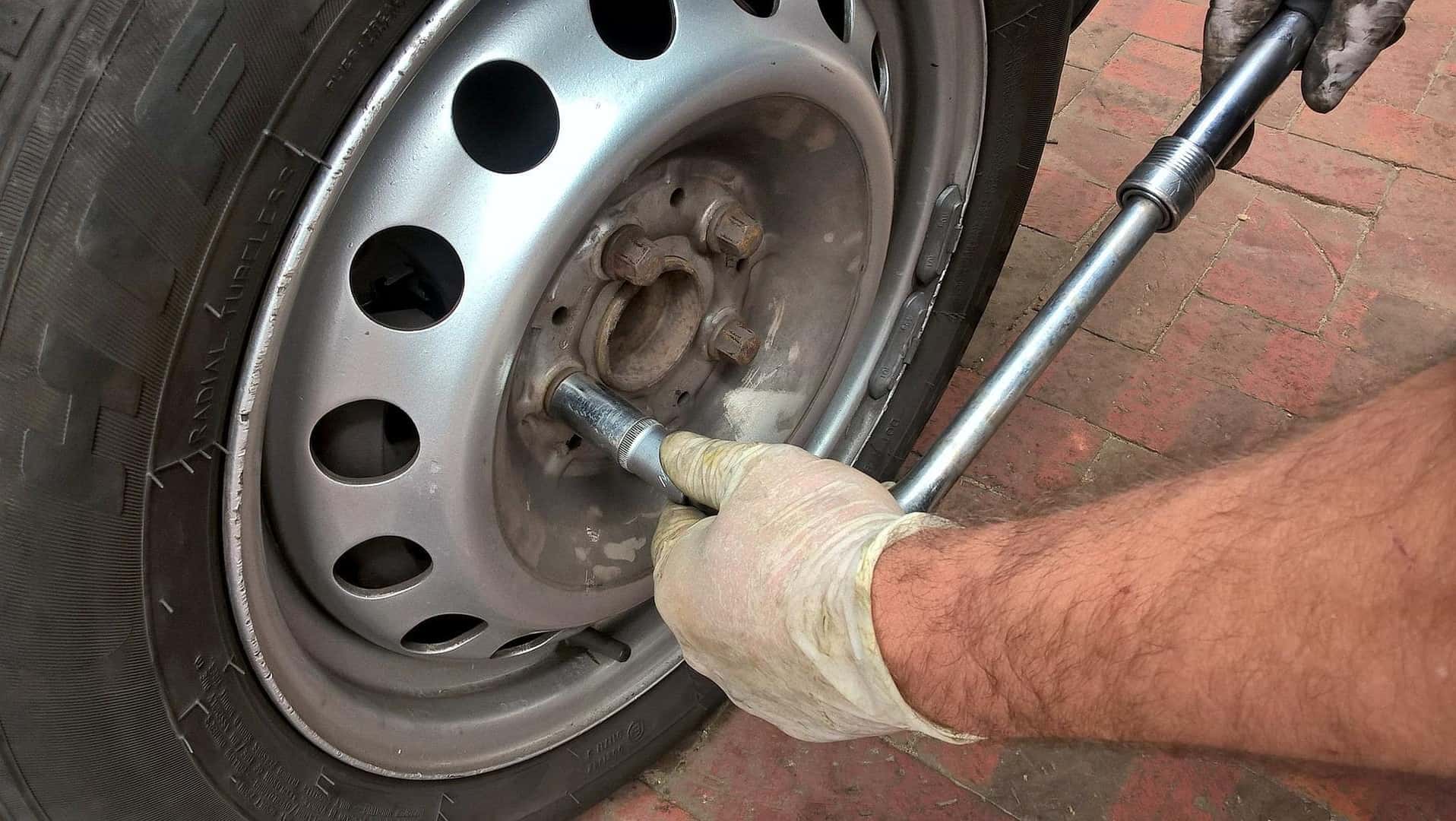
With the onset of summer in New York, you can't wait to travel to all the destinations on your season's to-do list with your friends and family. You may have achieved your summer body goals, and you can't wait to flaunt your abs, curves, or fit body, but what about your other travel companion, your vehicle? Your tires are a vital part of your vehicle that requires checking and maintenance. You don't want to experience any mishaps while driving around the city or any inconveniences to your summer plans. Scheduling your vehicle for tire rotation and maintenance with your dealership will ensure that your tires last longer and achieve optimal vehicle performance and road safety. Our experts at Meadowland of Carmel, New York, explain tire rotation activities from tire balancing to tire alignment, why they are essential, and signs to detect them. Tire Rotations Tire rotation refers to switching your tires from one position to another in distinct patterns to wear more evenly and extend their tread life. Auto technicians take out each wheel and place it in a different spot on the vehicle. For example, they can take out your front left wheel and place it in the rear right position. Front tires may wear out faster than rear tires since they absorb additional friction when turning your wheels. How Often Should You Schedule Tire Rotation? Experts recommend a tire rotation every six months after driving 6,000 to 8,000 miles or whenever you get an oil change. However, tire rotation frequency also depends on whether your vehicle is front, rear, or all-wheel. You can also assess your tires' treads for uneven wear to predict your next tire rotation. As always, refer to your vehicle manufacturer's manual for the rotation frequency of your tires. Tire Alignment Image via Pixabay Tire alignment involves a mechanical adjustment of your vehicle's suspension to influence the direction and angle of the tires' contact with the road surface. Tire alignment improves vehicle handling and keeps your vehicle from pulling in one direction or vibrating strangely on the road. The manufacturer sets every vehicle's optimum tire alignment, so your car's settings must align with what the manufacturer's manual states. How Often Should You Schedule Tire Alignment? There is no specific time frame for your tires to get an alignment. However, tire manufacturers recommend that you shouldn't exceed three years without a tire alignment. Various factors can contribute to tire misalignment, including driving on Carmel's bumpy or rough terrains. So, to ensure you avoid any misalignment, you can schedule an alignment inspection every time you go for your routine vehicle servicing. Indicators of Tire Misalignment The following are signs of tire misalignment: Drifting or pulling the car to one side of the road. When driving on a straight or flat surface, you shouldn't have to steer in the opposite direction to keep the car straight. If your car pulls to one side, either left or right, it may indicate that your tires are misaligned. Off-center steering wheel. Your steering wheel should always be centered, even after taking sharp turns or parking at tight spots. However, if you notice that the steering wheel doesn't return to its normal centered position afterward, it may be time to schedule a tire alignment. Uneven tire wear. If you notice that the inner and outer edges are wearing out faster than the rest of the tread, it can be due to misalignment. This uneven wear indicates your tires are leaning too much to one side, causing the outer and inner edges to wear unevenly. Vibrating steering wheel. If you detect a vibrating steering wheel while driving, it may be due to sudden disruptions to your vehicle's suspension, such as hitting a pothole or a raised surface like a curb. Whatever the cause may be, visiting your dealership for routine assessment is recommended since these vibrations can also signify a more significant and more serious issue. Tire Balancing Tire balancing involves inspecting your vehicle's weight distribution on your tires and wheel parts. This procedure eliminates uneven points on your tires to ensure that you have smooth and comfortable rides. Auto technicians perform tire balancing through a match mounting process which involves matching the high and low areas in your rims with the tires. When Should You Take Your Vehicle for Tire Balancing? Tire balancing is not a routine service. Therefore, you should schedule a tire balancing appointment when you notice certain things while driving, such as seat vibrations. Also, you may require tire balancing if you notice that your steering wheel, floorboard, and seat shake or vibrate while you drive especially fast. Uneven tire wear across your tire tread can also signify that your vehicle requires tire balancing. Why You Shouldn't Neglect Tire Maintenance Neglecting tire maintenance risks your road safety and other road users. Here are the issues that you may experience as a result of neglecting each tire maintenance activity: Tire tread wear: Your vehicle tire tread may wear unevenly, thus creating a rough and potentially unstable driving surface. Premature tire tread wear may cause heat buildup and an increased risk of punctures and blowouts. Tire misalignment: Tire misalignment affects steering, suspension, and safety. Neglecting your tire alignment routine can pose a collision risk if you find yourself in an emergency, such as making a sharp turn to avoid an oncoming vehicle. Tire imbalance: Unbalanced tires can wobble or bounce up and down, which causes vibration when driving. It may cause vehicle instability, eventually damaging your tires, suspension system, and steering system. Any of these issues can be costly to repair. Schedule Your Tire Rotation and Maintenance at Meadowland of Carmel, New York If you detect either of the mentioned signs above while driving around Carmel, it may indicate that you need to schedule tire rotation, balancing, or alignment at your dealership. You may also schedule routine checks and servicing to avoid other problems. Are you looking for an auto dealership to service your vehicle around Carmel? Then look no further. Contact or Visit Meadowland of Carmel, New York, to have your vehicle issues fixed by our certified auto technicians in our well-equipped service center. You may also schedule a service appointment with us. Road and vehicle safety is our utmost priority for our clients.
Is the Air Conditioning going or does it just need an AC Recharge?
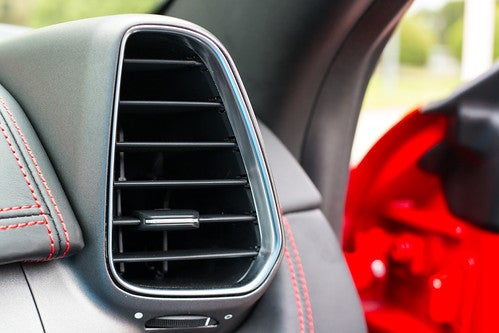
If you find that your vehicle's air conditioner isn't cooling properly or working as it should, it can be because of a wide range of issues, from a low refrigerant charge to a damaged component that needs to be replaced. So, how do you determine whether your AC needs more refrigerant or a major repair? Let's find out in this helpful guide. Search Inventory Service Department Schedule Service Image via Flickr by nan palmero | CC by 2.0 How Does Your Car's Air-Conditioning System Work? To produce cold air, your vehicle's air-conditioner uses a compressor to pressurize and circulate refrigerant through the system. It consists of two sides: a low-pressure side and a high-pressure side. The refrigerant comes into the low-pressure side as gas and turns into a liquid on the high-pressure side. Its constant movement between these two sides of the system is what keeps the cabin of your car cool. Since it's pressurized, your vehicle's air-conditioning system can only work properly if it's completely sealed. Similar to other pressurized systems, it's capable of developing leaks over time. If left unattended, a leak may cause the system to lose so much refrigerant that it won't produce cool air anymore. When the refrigerant and pressure levels of your AC drop too low, you have to recharge it with a pressurized refrigerant to restore it to normal function. What Are the Signs Indicating Your Car's Air-Conditioner Needs More Refrigerant? Recharging your vehicle's air conditioner is a task best left to professionals. However, you don't need a trained eye to know that your system is low on refrigerant. Below are a few signs indicating it may be time to visit a service center for an AC recharge: Warm Air If you find that the air coming out of your car's air-conditioning system is noticeably warmer than usual, it may mean that the refrigerant level has dropped to an inadequate level. As mentioned earlier, your AC keeps your cabin cool by circulating pressurized refrigerant. When it's running low on refrigerant, it'll experience a decline in cooling performance. AC Clutch Unable to Engage When you set the AC control to maximum coldness, you'll hear a clicking sound coming from your air-conditioning system. This signifies that the clutch is engaging and the system is functioning correctly. The clutch starts to engage when it receives a signal from the pressure switch, which uses a sensor to monitor the pressure level of the system. If the pressure level is too low, the pressure switch won't activate, and therefore, the clutch will fail to engage. Without an involved clutch, your AC won't be able to circulate even the lowest amount of refrigerant, meaning it'll stop working altogether. Visible Signs of Refrigerant Leaks Visible signs of refrigerant leakage are another indication that your vehicle's air conditioner needs a recharge. If you notice a greasy film on any of the components or fittings of your AC system or a pool of refrigerant underneath your car, a leak has likely developed. If you don't fix the leak promptly, your air-conditioner will keep losing refrigerant until it no longer functions. What Happens During an Air-Conditioner Recharge? The process of recharging a car air-conditioning system begins with the technician checking the refrigerant and pressure levels of the AC system. If the system is just a little low on refrigerant, they can locate the leak right away. However, if the refrigerant is too low or completely gone, they may have to add refrigerant before they start looking for the leak. Once the leak is found, the technician will flush out the old refrigerant and fix the leak before refilling the air-conditioner with the new refrigerant. Without evacuating the refrigerant, it won't be possible to determine the correct amount to add to the system. Suppose the refrigerant system has been opened or one or more of its components changed. In that case, the technician will use a vacuum pump to remove all the atmospheric air and pressure from the system before recharging it. The entire process can take a few hours. When you need to recharge your car's air-conditioning system, it's essential to have the procedure done at a reputable auto service facility using a specialized AC recharge kit. An inexperienced mechanic may add more refrigerant instead of evacuating the system and finding and repairing the leak first. Modern car air-conditioners are pretty intolerant of excess refrigerant. So, adding an 8-ounce can when only a couple of ounces are needed can cause damage to the system. How to Tell If Your Car's Air-Conditioner Needs to be Repaired or Replaced? Refilling the refrigerant in your vehicle's air conditioner is standard auto maintenance. While it requires you to make a trip to the service center, it doesn't necessarily indicate your system is broken and needs a major repair or part replacement. However, you have to keep an eye out for certain signs that may point to more severe car A C problems, such as: No air-conditioning: If your car's AC system isn't blowing out any air at all, it can mean that it has entirely run out of refrigerant and may need an AC Recharge. However, it's also possible to have damaged cooling fans, a faulty compressor or condenser, or an electrical issue. Water stains inside your car: After running your AC system for a while, you'll see water draining out from the bottom of your vehicle, which is perfectly normal. Nonetheless, if you find water stains on your front floor mats, you may have a damaged or clogged drain that causes the water to back up into your vehicle. Rattling sound: A variety of problems can cause your air-conditioner to emit a rattling sound, from debris clogging up the system to a broken fan belt or condenser. If you hear this sound, immediately take your car to a service center for a diagnosis. If you own a Chrysler, Dodge, Jeep, RAM, or Fiat vehicle in Carmel, New York, you can get top-quality car air-conditioning services at Meadowland of Carmel. With a fully equipped service center, factory-certified technicians, and a large inventory of OEM Mopar parts, we're able to help you keep your vehicle's air-conditioner running at peak performance. Contact us today to schedule an appointment.
Oil Changes Carmel, NY
When you own a car, truck, or SUV, it's important to get routine maintenance to keep it operating at its best. Routine maintenance like check-ups and oil changes help to improve performance and minimize damage when you drive your vehicle, which can help you save big. If you have questions about oil changes, including why they are important and what they entail, this guide can help you understand their value and why it's so important to change your vehicle's oil on schedule. If you need an oil change, use our online service scheduler to set up an appointment at your earliest convenience. Schedule Service Today The Importance of Consistent Oil Changes Regular oil changes are important to maintain your vehicle and help it operate at its best. Failure to do so can result in overheating, knocking off the engine, or total engine damage. You might be worried that it's an expensive and time-consuming endeavor, but that's far from the truth. Most car dealers offer complimentary oil replacements, and they take 30 minutes or less. There are many benefits to completing oil changes along your scheduled mileage levels, including: Improved Performance: When your oil and oil filter is changed, it removes contaminants from your vehicle's oil lines. This allows it to operate more efficiently. In addition, your engine will work at its best, delivering improved power and performance every time you hit the gas. Higher Fuel Economy: Improved engine efficiency will lead to better fuel economy. This means more miles in between stops at the pump, which can quickly add to significant savings on fuel costs. Cleaner Operation: You aren't the only one who can benefit from the more efficient operation that comes from regularly changing your oil. The contaminants that decrease your performance also contribute to the hydrocarbons released when you run your engine. Changing your oil makes your vehicle run more cleanly and reduces your carbon footprint. Engine Protection: Your engine is your vehicle's most important component and often the most expensive to repair if it experiences difficulties. Keeping your oil changed regularly reduces the wear and tear on your engine in order to avoid engine repair and replacement. A well-protected engine can save you significant money by staying on the road and out of the shop. What to Expect From Your Professional Oil Change A professional oil change involves more than simply adding fresh oil to your vehicle. When you get a professional oil change at Meadowland of Carmel, our staff will provide the following services: Oil Changes: As the name implies, a key component of any oil change is replacing all the oil currently in your vehicle. Our service professionals will drain your current oil and safely dispose of it before refilling your reservoir with fresh oil. While topping off your existing oil can help to refill, if you aren't replacing the oil completely in accordance with your mileage recommendation, it can lead to buildup and debris that harms your engine and lowers performance levels. Filter Changes: The oil isn't the only thing that gets changed out when you take your vehicle in for an oil change with Meadowland of Carmel, however. Replacing your oil filter is another important step in helping your engine run more cleanly. A dirty filter cannot clean your oil as effectively as intended, leading to additional build up in your engine. When our service professionals install a fresh, premium auto filter, you can be confident your engine is receiving the protection it deserves. Leak Repair: Another benefit of choosing professional oil change service from Meadowland of Carmel is our inspection of the lines in your oil system. Oil leaks can lead to rapid depreciation of your oil, and potentially to damage to your vehicle. If our service professionals identify any leaks, they will repair them in order to keep your engine performing at its best. Meadowland of Carmel is Carmel, NY's Best Service Center We recommend taking your vehicle to a professional service station for an oil change in order to receive the high-quality automotive service professionals can provide. Meadowland of Carmel is proud to be a premier automotive service provider in Carmel. Some benefits of choosing Meadowland of Carmel for your next oil change include: Premium Parts: When getting an oil change, it's important to rely on a high-quality parts in order to provide the best results for your vehicle. At Meadowland of Carmel, we use high-quality filters and oil in order to provide your vehicle with the highest possible care. This maximizes the benefits you receive because of the oil change, making it an even better investment in your car's present and future. Professional Replacement: When you choose to patronize the professionals of Meadowland of Carmel for your next oil change, you're assured of high-quality service and workmanship. Our experienced staff are the best service professionals around Carmel, New York. When you drop your car off for an oil change, you can do so confident that you are receiving premium service at an affordable price. Complimentary Inspection: Often, the best way to save money on automotive repairs is to identify minor problems before they have the chance to grow into bigger and more expensive ones. When our staff performs an oil change on your vehicle, they'll also be looking for warning signs of potential damage or malfunctions that can lead to more serious problems in the future. With professional servicing from Meadowland of Carmel, you reduce your risk of missing serious problems developing in your car, truck, or SUV. If your car, truck, or SUV is currently due for an oil change or approaching its next milestone, let the expert team at Meadowland of Carmel help. Our service professionals will provide you with a premium oil change and the peace of mind of knowing that your car has been seen by experienced professionals. To get started, just give us a call, or fill out our online contact form, and our staff will reach out to help you schedule your appointment today.