




You may already know that there are nearly endless ways to protect your vehicle from damage and maximize the efficiency of your ride. But did you know that the fuel type you select can also influence your vehicle’s performance? If you want to make the most out of your ride and keep it running at its best for a long time, it’s important to understand which type of fuel you should use and how your driving can affect your car’s fuel economy.
At Meadowland of Carmel, we want to make sure that your vehicle can always take you where you need to go. Read on to learn more about the different gas types and to determine how you can preserve your investment in a quality new or used vehicle.
How Does Your Driving Style Affect Your Vehicle’s Fuel Efficiency?
There are a few ways that your driving can affect your vehicle’s fuel efficiency. Some driving behaviors that can require more fuel include accelerating frequently, idling often, braking heavily, and driving at high speeds. You can also burn through fuel more quickly by carrying or towing extremely heavy loads. Generally, the harder your vehicle works, the more fuel it’ll use.
Your vehicle’s fuel consumption can also depend on the amount and type of trips you take. Since you use a good amount of gasoline to start your engine, taking a collection of short trips where you turn the vehicle on and off can use more fuel than if you took one long trip without stopping, consider planning your drives with this in mind.
Another way you can save on fuel is by limiting the amount of driving you do. Routinely using different types of transportation like walking, biking, or taking public transportation can save you some gas money for your most important trips. These options are great for shorter trips around town.
Finally, a well-maintained vehicle can always run more efficiently than one that doesn’t receive regular service. This is because your qualified mechanic can diagnose and fix any small issues with your vehicle before they become big problems. They can also determine if your vehicle is running at its most efficient and offer fixes if it isn’t. To optimize your vehicle’s power and performance, schedule service with our highly trained technicians today.
What Are the Various Types of Fuel?
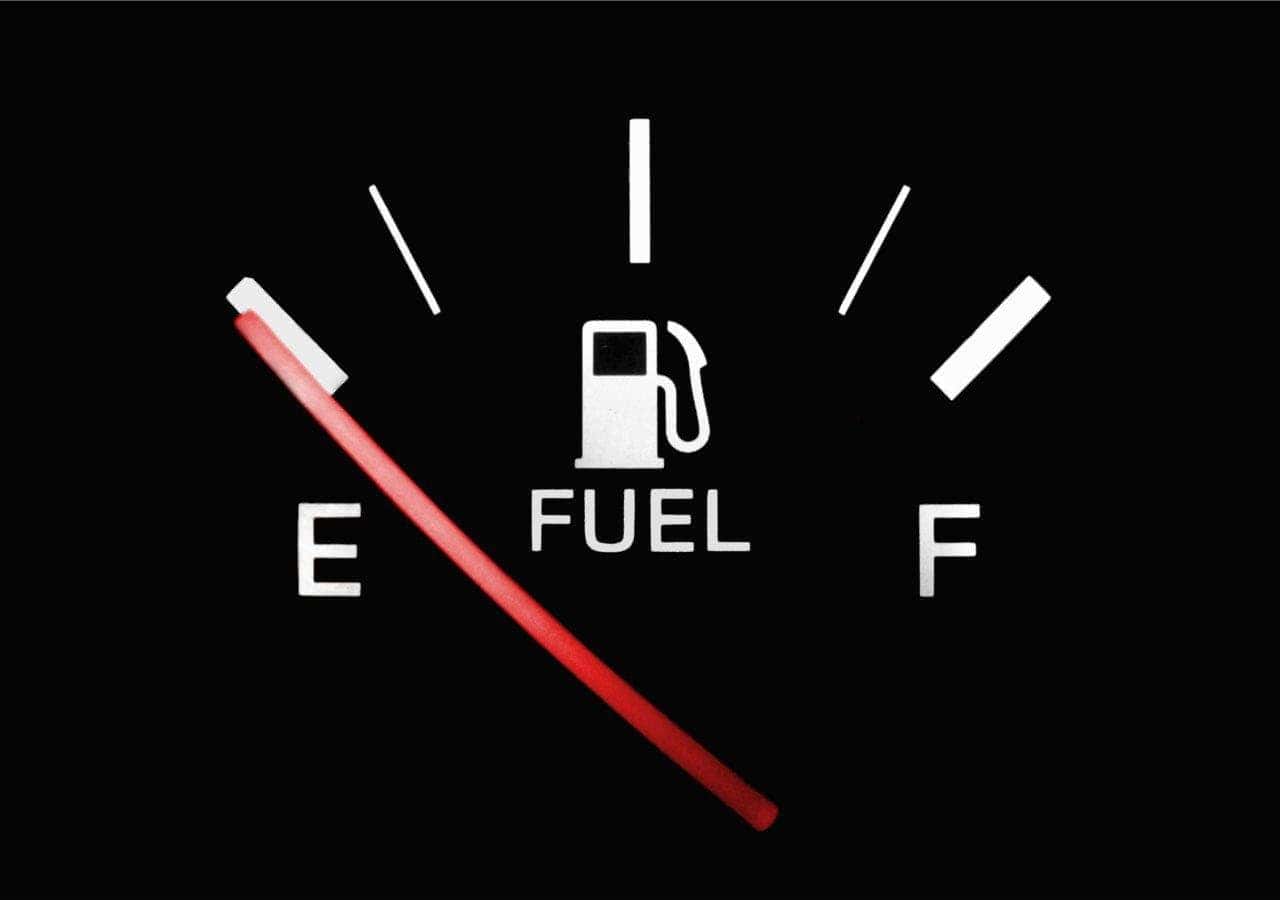
You will typically see several fuel types at the pump. The commonly used regular fuel option is 87 octane. Octane refers to the stability of fuel or the amount of pressure at which the fuel will combust. Mid-grade gasoline offers around 89 octane, and premium fuel falls between 91 and 93 octane. If your vehicle has a diesel engine, which uses compressed air rather than a spark plug to ignite, you can also select specialty diesel fuel.
How Do You Know Which Fuel To Use?
The best way to determine which fuel to use is to check the user’s manual for your vehicle. In your manual, you can find the minimum octane rating for your vehicle. If your ride requires premium fuel, the manual will say that. If not, there’s no reason to select any gasoline other than the lowest-priced option. While your manual should have this information, you can also find it near the vehicle’s gas cap or fuel gauge. You can always contact our certified service department if you have questions or are unsure about your vehicle’s required fuel rating.
Why Do Some Vehicles Require Higher Octane Fuel?
If you’ve selected a vehicle with a high-output engine, it may need premium gasoline to work effectively. These powerful engines require a higher compression ratio, meaning they compress air and fuel into smaller, highly combustible sizes. With the added pressure and heat associated with high compression, you may need a fuel type that can stand extra pressure before igniting. Without it, you risk the engine igniting prematurely, negatively affecting your vehicle’s performance.
What Happens if You Put the Wrong Type of Fuel in Your Vehicle?
You can rest assured that using the wrong grade of gasoline won’t destroy your ride. However, it can create some negative consequences and diminish your vehicle’s performance. If you want to keep your vehicle on the road for as long as possible, always use the proper grade.
However, if you have a diesel engine, do not use gasoline; regular gas will ruin a diesel engine. If you accidentally put gasoline in your diesel vehicle, don’t start it or turn if off immediately if you already have, and have it towed to a mechanic immediately.
If your vehicle requires only the lowest fuel grade, a higher octane option shouldn’t create any negative effects besides costing more money. If you use gasoline with too low octane, though, this can limit your power and efficiency. Since octane refers to the pressure at which gas can combust, lower octane fuels may not handle exceptionally high pressure as well as premium options. Luckily, modern vehicles have a sensor that can retune an engine to avoid premature ignition, limiting lasting damage. Still, it’s a good idea to determine your vehicle’s exact fuel needs before filling up.
Does the Type of Fuel Affect a Vehicle’s MPG Rating?
As long as you use the proper gasoline for your vehicle, you shouldn’t notice an effect on your vehicle’s gas efficiency rating. The miles per gallon will not increase if you purchase a higher octane fuel. If you use a lower octane rating than required, your ride can, unfortunately, demonstrate diminished performance that can result in lower efficiency. Be sure to know which level is best for your vehicle before fueling up. If you’d like to upgrade your fuel efficiency rating, you can select a vehicle (and fuel) with a diesel engine.
We want you to get the most out of your new or used vehicle at Meadowland of Carmel. Understanding which fuel to use is a great way to keep your ride in its best shape. To maximize the efficiency of your drive, be sure to browse our extensive collection of new vehicles and impressive pre-owned offerings to find one that meets your fuel economy needs. We can’t wait to help you find a ride that exceeds all your expectations for efficiency, power, and drivability.
Connect with us


- July 2026
- June 2026
- May 2026
- April 2026
- March 2026
- February 2026
- January 2026
- December 2025
- November 2025
- October 2025
- September 2025
- August 2025
- July 2025
- June 2025
- May 2025
- April 2025
- March 2025
- February 2025
- January 2025
- December 2024
- November 2024
- October 2024
- September 2024
- August 2024
- July 2024
- June 2024
- May 2024
- April 2024
- March 2024
- February 2024
- January 2024
- December 2023
- November 2023
- October 2023
- September 2023
- August 2023
- July 2023
- June 2023
- May 2023
- April 2023
- March 2023
- February 2023
- January 2023
- December 2022
- November 2022
- October 2022
- September 2022
- August 2022
- July 2022
- June 2022
- May 2022
- April 2022
- March 2022
- February 2022
- January 2022
- December 2021
- November 2021
- September 2021