




Blog / Vehicle Tips

Blog

All Vehicle Tips Jeep Vehicles Local Ram Trucks Dodge Models Local Restaurants Service Chrysler Vehicles CDJR Vehicles Charger Jeep Wagoneer Used Vehicles
Question to ask when buying an EV

Questions to ask when buying an EV

Buying an electric vehicle (EV) is a big decision, so it's important to consider all the different aspects of owning one. You want to ensure you get the best deal and that the car will work well for your lifestyle. Asking the right questions can help you feel confident about your choice and know you're making a smart investment. Understanding EV Rebates and Incentives One of the best things about buying an EV is the many rebates and incentives available. The federal government offers a tax credit of up to $7,500 for people who buy certain EVs. Many states also have their own incentives, such as New York's Drive Clean rebate of up to $2,000. It's important to do your research and find out what incentives are available, as they can help lower the upfront cost of buying an electric car. For example, if a car has a sticker price of $40,000 but you qualify for a $7,500 federal tax credit and a $2,000 state rebate, suddenly that car only costs you $30,500. That's a significant difference. We can advise you about any EV incentives that might apply to the car you're interested in and help you determine what you qualify for. Calculating the Cost of EV Ownership Over Time While the upfront cost of an EV might be higher than a gas-powered car, there are long-term benefits of EVs in terms of savings. For one thing, electricity is cheaper than gas. Fueling an EV can cost about half as much as gas for the same mileage, depending on where you live and what time of day you charge. EVs also have lower maintenance costs, as fewer moving engine parts and fluids must be changed regularly. You'll still need to rotate your tires and replace your brakes eventually, but overall, EVs cost less to maintain than gas cars. Some estimates say you could save $4,600 or more over the vehicle's life span. The battery is a big factor in an EV's long-term costs. Most batteries are covered under warranty for at least eight years or 100,000 miles. After that, replacing a battery can cost several thousand dollars. But battery technology is constantly improving, and costs are decreasing. It will likely be much more affordable when you need a new battery. When considering EV ownership costs, make sure to factor in both the upfront price (minus any incentives) and the long-term savings on fuel and maintenance. You might be surprised at how much you could save over time, even with a higher sticker price. Key Considerations Before Purchasing an EV Before shopping for an EV, there are a few key factors to consider. One of the biggest is driving range. Today's EVs can typically go 200-400 miles on a single charge, but some may have a smaller range. Think about your daily driving needs and whether an EV's range will work for you. If you regularly take long road trips, you may want to look for a model with a higher range or consider a plug-in hybrid as a backup. Another important factor is charging. You'll want to consider where and how you'll charge your EV. Most people charge their EVs at home, so you'll need access to a power outlet in your garage or driveway. If you live in an apartment or condo, ask about any shared charging stations or whether you can install your own. You should also look into the availability of public charging stations in your area. While most of your charging will likely happen at home, it's good to know where to top off if needed. Look for charging stations at grocery stores, shopping centers, and along major highways. Choosing the Right EV Model Many different EV models are available today, from small hatchbacks to large SUVs. Think about what size vehicle you need and what features are most important to you. Consider the cargo space, passenger room, and towing capacity. If you have a long commute, you might prioritize a model with a longer range. Some EVs can charge faster than others when it comes to charging speed, which can be helpful if you need to top off quickly on a road trip. Models that offer DC fast charging can add around 100 miles of range in just 30 minutes. Of course, budget is also a factor. While EVs may have higher sticker prices than comparable gas cars, remember to factor in any available incentives and long-term savings. Our team at Meadowland of Carmel can help you find models that offer the best balance of features and value for your needs. The Future of EVs EVs are becoming more popular every year, and for good reason. They offer a cleaner, more efficient way to get around, with lower long-term costs and a smaller environmental footprint. As battery technology continues to improve, EVs will only get better. In the coming years, we can expect longer driving ranges, faster charging times, and more affordable prices. Many automakers have pledged to phase out gas-powered cars entirely in the next decade or two, so EVs will soon be the norm rather than the exception. Investing in an EV now means being part of this exciting transition. By choosing an EV, you're not just saving money on gas and maintenance but also helping reduce air pollution and combat climate change. As more people switch to electric, we'll all benefit from cleaner air and a healthier planet. Take the Next Step: Experience an EV at Meadowland of Carmel The best way to learn more about EVs is to experience one for yourself. At Meadowland of Carmel, we have a wide selection of EVs available for test drives. Our knowledgeable sales staff can answer all your questions and guide you through the buying process. We'll help you find the perfect EV for your needs and budget and take advantage of all available incentives. Contact us today and discover the long-term benefits of EVs. With lower fuel and maintenance costs, a smaller carbon footprint, and exciting new technology, there's never been a better time to switch to electric.
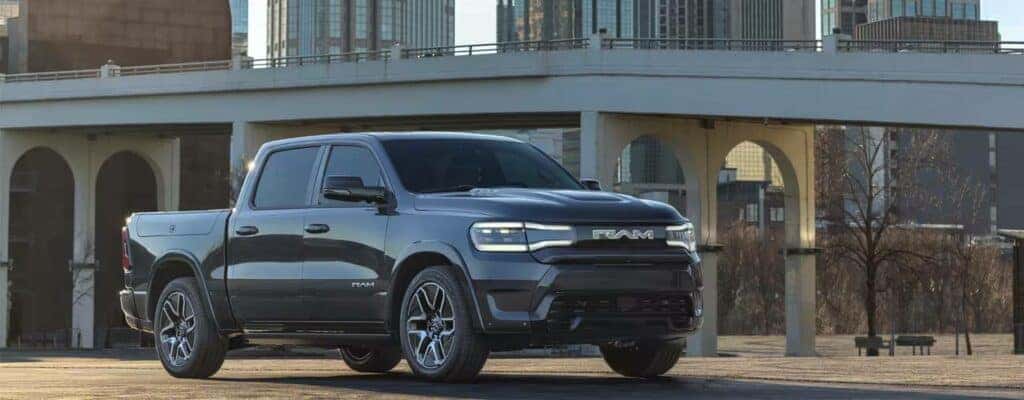
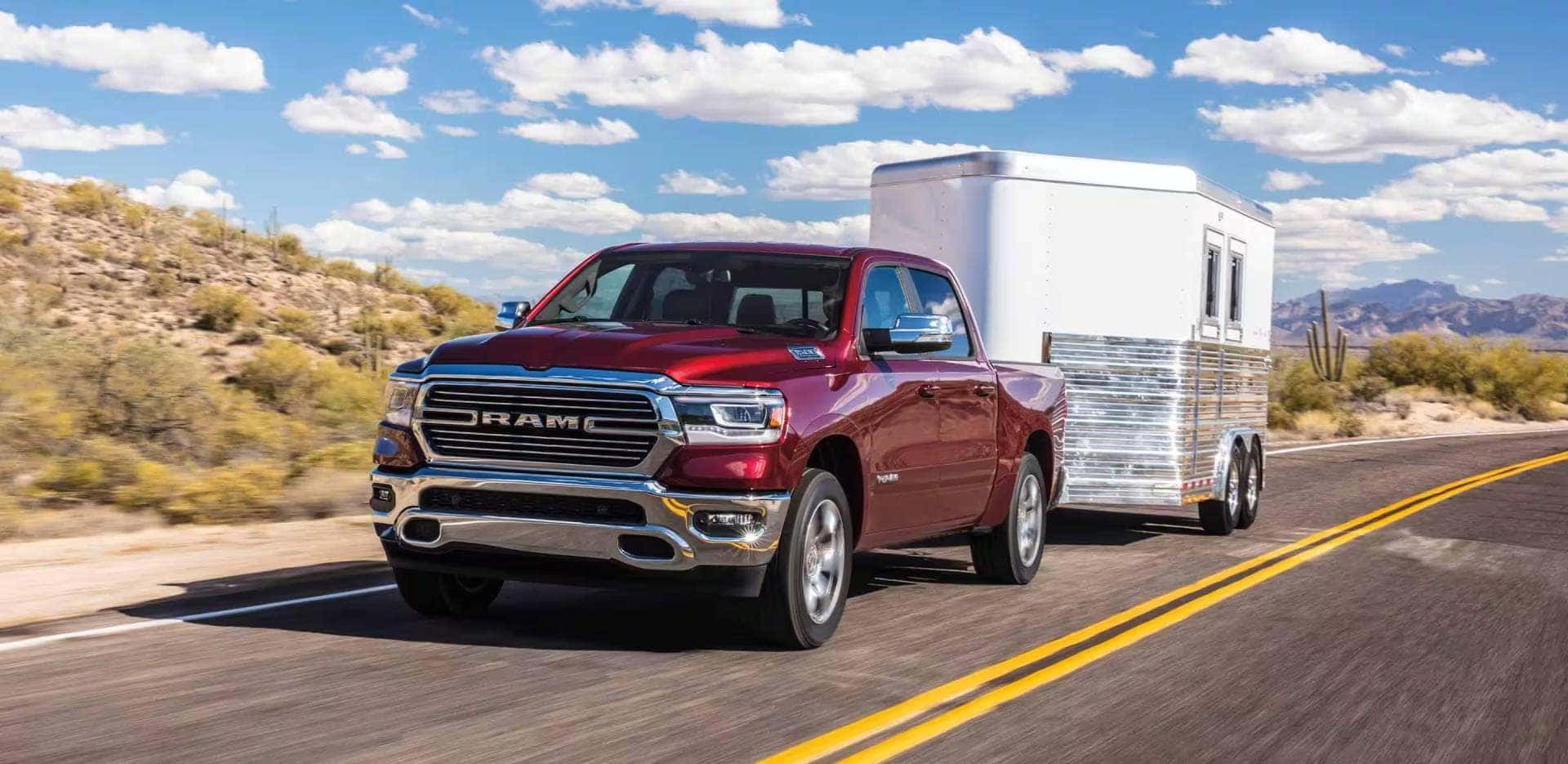
2024 Ram 1500 vs 2024 F-150

2024 RAM 1500 vs. 2024 Ford F-150

The pickup truck segment is fiercely competitive, with the Ram 1500 and Ford F-150 being two of the most popular choices among consumers. With the introduction of the 2024 models, both trucks have raised the bar in terms of performance, technology, and luxury. Read as our Meadowland of Carmel team compares these two trucks to help you pick the right one for your needs. Starting Price When purchasing a new truck, the starting price is crucial in decision-making. 2024 Ram 1500 The 2024 Ram 1500 has a starting MSRP of $39,420 for the Tradesman trim, which offers a robust V-6 engine and advanced towing capabilities. The lineup extends to the TRX trim, which has a starting price of $96,585 and boasts a supercharged HEMI V-8 engine for unparalleled power. 2024 Ford F-150 In contrast, the starting price for the 2024 Ford F-150's base XL trim begins at $36,570. The high-end Raptor trim costs $77,980 and features a sport-tuned suspension and a powerful EcoBoost engine. Trim Options Diving into the trim levels reveals various features that meet various needs, from basic workhorse functionalities to high-end luxury amenities. 2024 Ram 1500 The 2024 Ram 1500 impresses with a variety of trim levels that cater to Carmel drivers' needs, from the work-ready Tradesman to the luxurious Limited and the off-road-ready Rebel. Tradesman: This trim is the lineup's foundation, offering essential features and capabilities for those who need a reliable work truck. Big Horn: It's a step up with chrome accents and optional premium seating. Laramie: This trim introduces advanced technology and enhanced luxury with leather seating, a larger touch screen, and premium audio. Rebel: It's tailored for off-road adventures and features rugged tires, a unique suspension system, and off-road-specific styling cues. Limited Longhorn: This trim features distinctive Western-themed design elements and premium materials. Limited: It represents the pinnacle of luxury within the Ram lineup, offering state-of-the-art technology, sumptuous leather interiors, and an array of convenience features. TRX: This trim is the ultimate performance truck for adrenaline seekers, with a supercharged engine, a sport-tuned suspension, and aggressive styling. Each meticulously crafted trim level of the 2024 Ram 1500 meets diverse preferences and requirements, ensuring there's a perfect match for every truck enthusiast. 2024 Ford F-150 The 2024 Ford F-150 showcases its versatility through an extensive range of trims, from the practical XL to the high-performance Raptor, each for different lifestyles and workloads. XL: The entry-level trim provides fundamental features. STX: Its stylish exterior ensures it stands out. XLT: This trim adds more comfort and connectivity options to enhance daily usability. TREMOR: It's the perfect trim for off-road enthusiasts seeking adventure. LARIAT: This trim adds higher-end materials, advanced technologies, and increased powertrain choices. King Ranch blends luxury with a Western theme, featuring exclusive leather upholstery and premium comfort amenities. Platinum: This trim offers refined elegance through top-tier features and sophisticated design elements. Raptor: This trim is perfect for those looking for extreme off-road performance. It features a high-output engine, a specialized suspension system, and bold exterior styling. The 2024 Ford F-150's numerous trim levels ensure you can find one that satisfies your demands, whether you're looking for basic reliability or unparalleled luxury and performance. Curb Weight A truck's curb weight influences its performance, handling, and fuel efficiency. The Ram 1500's weight range varies between 4,779 to 5,679 pounds, reflecting its sturdy build and capability-focused design. Alternatively, the Ford F-150 maintains a slightly lighter profile with curb weights ranging from 4,220 to 5,950 pounds. Power and Performance Under the hood, power and performance define what these trucks can do, whether towing heavy loads or cruising on the highway. 2024 Ram 1500 Engines range from a capable V-6 eTorque engine that balances efficiency with performance to the monstrous Supercharged HEMI V-8 in the TRX model. With towing capacities reaching up to 12,750 pounds when properly equipped, Ram ensures you never have to second-guess performance. 2024 Ford F-150 Ford matches stride with potent engine choices, including several EcoBoost options, a PowerBoost Full Hybrid for those seeking efficiency, and even a Supercharged V-8 option in the Raptor R. Towing capacity peaks at an admirable 13,500 pounds on certain models, highlighting Ford's commitment to power and utility. Exterior Design A truck's exterior design isn't just about aesthetics, functionality, durability, and making a statement. 2024 Ram 1500 The Ram 1500's exterior design is bold yet elegant, with available features such as a multifunction tailgate and RamBox Cargo Management System enhancing functionality without sacrificing style. Available accent packages further personalize your truck's appearance, from the street-ready Sport Appearance Package to the rugged Night Edition. 2024 Ford F-150 The Ford F-150 mixes functionality with modern aesthetics. An available Pro Access Tailgate adds convenience, while various wheel designs and appearance packages let you tailor your truck for luxury or off-road capability. Interior Design A truck's interior is where comfort meets utility, enveloping passengers in an environment that's both functional for work and comfortable for daily drives. 2024 Ram 1500 Inside the Ram is an unmatched cabin experience offering luxury and functionality. With available features such as a reconfigurable center console, a digital cluster display, a head-up display, a Harman Kardon Premium Audio System, and plush seating options across trims, comfort is king in every journey. 2024 Ford F-150 Ford doesn't lag in interior offerings either, with various technologies that enhance driver convenience, including SYNC 4, FordPass Connect for connectivity on the go, and various seating options to ensure comfort. The F-150 offers unique work solutions, including an optional interior surface for on-the-go productivity. 2024 Ram 1500 vs. Ford F-150: The Best Fit for Your Needs When comparing the 2024 Ram 1500 and the 2024 Ford F-150, it's clear that both trucks offer incredible value, power, and versatility. The choice between them ultimately comes down to what you prioritize in a truck. If unmatched luxury, advanced technology features, and robust powertrain options top your list, the 2024 Ram 1500 may be your truck. Test-Drive a 2024 Ram 1500 Today Meadowland of Carmel is here to help make your decision easier. Explore our extensive new Ram 1500 inventory or contact our finance department to discover flexible financing options. Are you ready to take the next step? Apply for financing today or use our online tool to value your trade. If you have more questions, feel free to contact us.

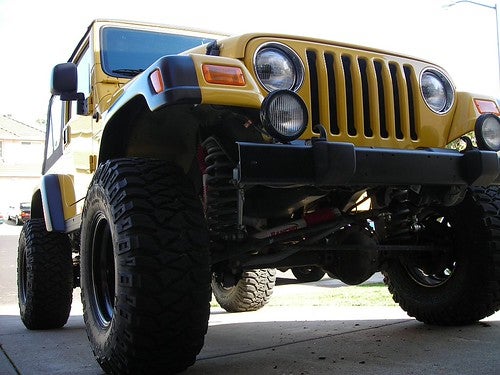
Jeep Wrangler Front Lights

What to know about your Vehicle Lights

Vehicle lights are simple but vital parts of any internal combustion, mild hybrid, hybrid, or electric vehicle. No civilian car, truck, or SUV may be legally driven on America's roadways without these lights installed and in good working order. We’ll cover all the details on different light positions, types, common issues, costs, and more for your convenience. Vehicle Lights by Unit Type and Position Vehicle lights vary in type, number, and position depending on the model year of the vehicle in question. All vehicles have head and taillights, but some also have fog lights, spotlights, daytime running lights, and side mirror signal lights. We'll review what each set is for below. Headlights and Front Signal Lights These are the front-facing primary lights on any vehicle. They’re almost always white lamps or bulb lights, but they can be more compact and bright LED units. Some are single lamps, but on most newer vehicles, they’re multi-lamp units when they aren’t LED. They’re usually high on either side of the front grille or above it. Some SUVs and pickup trucks have larger headlight setups to cover the full distance from the front bumper to the hood area. Taillights and Rear Signal Lights These are the rear-facing primary lights on vehicles. They’re always red, as American law dictates, and set on either side of the rear trunk, hatch, or tailgate. Sometimes they’re small units, but some SUVs and trucks have far larger ones that go up their hatch sides or tailgate sides, respectively. Fog Lights These units are usually smaller than headlights and positioned below them on either side of the grille or below it, depending on the vehicle. They have a far wider and brighter light pattern, making them ideal for cutting through foggy or rainy conditions. This helps to increase drivers' road visibility. They can be found on any civilian vehicle type but are most seen on SUVs and trucks. Spotlights These are probably the rarest lights on our list. They tend to be restricted to mid to high-trim SUVs or pickup trucks and are usually mounted next to the driver's side mirror. They are the most powerful light source that can be standard equipment on normal vehicles, ideal for lighting up work areas or searching for items in the dark. Daytime Running Lights These are among the newest light options installed on cars, trucks, or SUVs. They are meant to catch the attention of other drivers during the day, alerting them to the existence and position of the vehicle using them. Some daytime running light units are integrated into headlight units, while others are separate. Some electric vehicles have creative and beautiful daytime running light setups. Expect them to get more interesting as time goes on. Side-Mirror Turn Signal Lights Many larger vehicles, especially trucks and SUVs, come with side-mirror-mounted turn signals. These blink simultaneously with the rear turn signal lights and increase the odds that drivers and pedestrians within sight will notice the vehicle turning. Common Light Unit Issues and Standard Life Spans Vehicle lights can be compromised in many ways, most repairable through simple maintenance. The most common reasons for light failure include loose wires, bad grounds, corrosion, bulb failure, electrical opens, electrical shorts, a failed switch, or a failed relay. Servicing these issues is almost always quick and simple, so schedule service with us when your lights go out. Our service professionals will deduce the source of the failure and replace components accordingly. The average standard headlight life span runs from 500 to 1,000 running hours on the lower end to over 30,000 running hours on the higher end. LED headlights tend to land in the middle of that range. Taillights of the standard bulb variety last approximately five to six years, while their LED counterparts can last more than 12 years. Headlights should be changed in pairs regardless of the condition of the operating light. This ensures that the bulbs or diodes will wear down simultaneously, avoiding uneven, blurry, or limited lighting effects. Fog lights should be replaced every 12 years. Spotlights tend to last longer. They could run for over 12 years because they’re rarely used. Daytime running lights should be replaced every 10,000 hours, but some newer units can last the entire running life of the vehicle. Side mirror signal lights should be replaced every 4,000 hours. Chrysler, Dodge, Jeep, and Ram Light Replacement Costs The lighting units installed on Chrysler, Dodge, Jeep, and Ram vehicles are among the most recognizable and classic in the industry, but their internal technology has been advancing steadily. One of the most well-known unit types is the standard 7-inch round Jeep headlight. This is a bright headlight you’ve seen on Jeeps since their earliest wartime days. Their main advantage is their broad lighting field. The average Jeep headlight costs around $100 in parts and labor. Ram trucks often have projector beam headlights. These lights are built to minimize any blinding impact on other drivers. Their headlights cost around $110 in parts and labor. Chrysler has an extremely varied range of headlight models. They tend to cost around $150 to replace because their layouts are more complex, meant to convey a merging of luxury, style, and function. The price of Dodge headlights varies. The standard units cost around $100 in parts and labor, while the largest versions can cost over $300. Depending on the unit, taillights cost between $100 and $300, while fog lights cost around $150 to replace. Daytime running lights cost between $60 and $250. The more complex their patterns are, the more expensive they tend to be. Meadowland of Carmel Chrysler Dodge Jeep Ram can handle any light issue your vehicle might have. Schedule service with us when the time comes, and we'll be happy to either replace your units with identical ones or install more powerful or efficient versions. Photo Credit: Jeep by fltmech98 is licensed with CC BY 2.0

Used Vehicle Buyers Guide

Buying a car is a major financial decision. You want to make sure you're making the right choice regarding the vehicle you purchase and the financing option you select. This is particularly true with used vehicles, which come from various sources and often with uncertain histories. To ensure you get the right value for your money, consider these seven tips for buying a used car. Make a List of Requirements and Preferences Before you start looking at the used cars available on the market, write down a list of everything your need in the vehicle you purchase. The first question is, "why do I need a car?" If it's for commuting and other ordinary motoring activities, factors such as comfort and fuel economy are probably more important than power, performance, and size. However, if you plan to use the vehicle for transportation — of people, things, or both — then passenger accommodations and cargo volume are of greater importance. Consider your preferences as well. For example, what sort of drivetrain, infotainment features, driver-assistance technology, and color do you want? Would you like leather upholstery, or is cloth perfectly suitable? By determining your requirements and preferences beforehand, you're creating a plan that clearly defines your vehicle prospects, thus making the task more accessible when you finally start looking for cars. Set a Budget Another preparatory step is to figure out how much you can afford to spend on a used vehicle. Remember that the sticker price of the vehicle you buy is only part of what you'll spend in the long term. Taxes, insurance premiums, fuel, and maintenance are some of the ancillary costs to consider. Determine whether you'd like to pay the entire cost upfront or acquire financing as you set your budget. You can apply for financing online or use our payment calculator to help you figure out your budget. Browse Online Now that you've defined the parameters of your used car purchase, use online resources to find vehicles that match your automotive and financial needs. For example, you can easily click through our inventory of used vehicles from your home. We carry a diverse range of makes and models, including all of the major domestic and import brands. Use the filter options on the left side of the page to limit the options according to your preferences. As you browse our inventory, list every model that merits further consideration. Research Now is the time to research every model on your list. Again, using online resources, look into the specifications of these vehicles to assess whether they truly meet your criteria. If, for example, you're looking at a 2017 Ram pickup truck, one of the best resources would be the official Stellantis press kit page for that model. For similar information on other makes and models, try typing the year and name of the vehicle you want along with the word "media" or "press kit" in your preferred search engine. Other information that may be helpful for your search would be the Kelley Blue Book values of the vehicles in which you're interested. All you have to do is input the details of a vehicle to see how much it may cost. This information is helpful because it gives you a baseline for how much you should pay for a particular used car. Ask for a Vehicle History Report A vehicle history report is a document that details a broad array of information about the background of a used vehicle. The report tells you the vehicle's odometer readings, whether it was involved in any accidents, what repairs it has undergone, who the previous owners were, and more. To get a vehicle history report, simply note the vehicle identification number and then run it through the National Motor Vehicle Title Information System. What you learn about the car can tell you whether it's worth the money. Test-Drive and Inspect the Vehicle The vehicle history report can only tell you so much about the car you're considering. To ensure the car is operating as it should, ask the dealership for a test drive. During the test drive, be mindful of these factors: The sound of the engine. The sound of the transmission. The feel of the brakes and the emergency brake. The feel of the ride at both low and high speeds. The feel and sound of the steering. The alignment of the tires. If you experience anything that seems odd during your test drive, there may be an issue with the vehicle. You can ask the dealer to handle the issue before you commit to the purchase and negotiate the terms accordingly. In addition to a test drive, paying for a vehicle inspection is a wise investment. Seek out a mechanic, brand specialist, or mobile inspection specialist who can thoroughly examine the interior and exterior of the vehicle to determine whether it's in top working order. This measure can give you some peace of mind about the quality of the vehicle before you hand over your hard-earned money. Negotiate At this point, you have learned everything you could about the history, functionality, and condition of the vehicle you want. Using that information, negotiate with the dealer to come to the fairest price for both parties. If all goes well, you may end up paying less than you'd initially expected. If you're in the market for a quality, affordable vehicle in Carmel, New York, we're the dealership for you. In addition to our vast inventory of used vehicles, we offer regular specials on new Chryslers, Dodges, Jeeps, and Rams, so check regularly to find the perfect deal for you. When you find something you like, let us know. Call us at 855-815-6623 or submit an inquiry form via our contact page to schedule a test drive. Then come down to our dealership at 1952 U.S.-6 here in Carmel, New York, to get behind the wheel. We look forward to seeing you drive home in a vehicle you love. Photo Credit: Ready for Notes by Kenny Eliason is licensed with Unsplash License

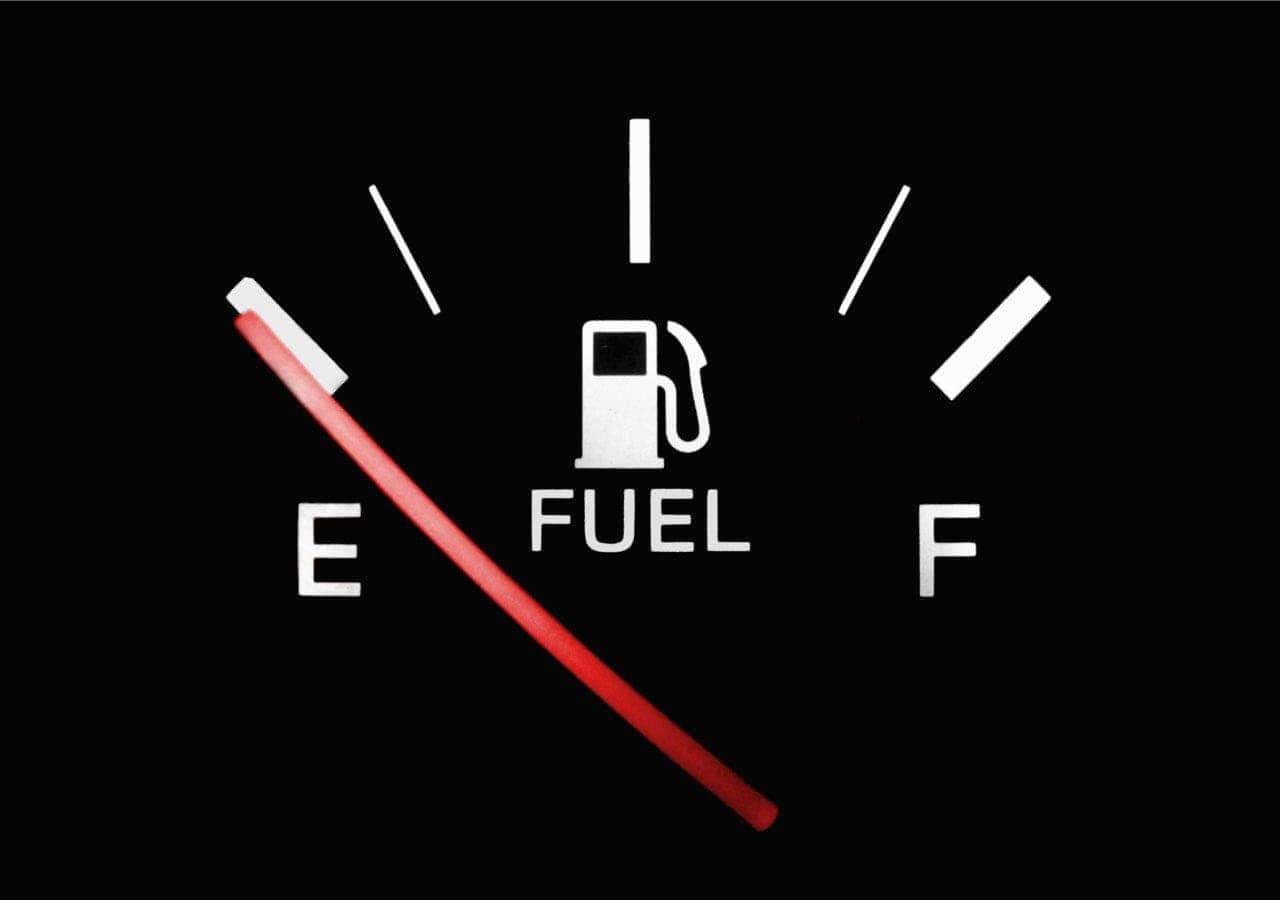
Empty Fuel Gauge

Is Your Driving Style Hurting Your Fuel Efficiency?

You may already know that there are nearly endless ways to protect your vehicle from damage and maximize the efficiency of your ride. But did you know that the fuel type you select can also influence your vehicle's performance? If you want to make the most out of your ride and keep it running at its best for a long time, it's important to understand which type of fuel you should use and how your driving can affect your car's fuel economy. At Meadowland of Carmel, we want to make sure that your vehicle can always take you where you need to go. Read on to learn more about the different gas types and to determine how you can preserve your investment in a quality new or used vehicle. How Does Your Driving Style Affect Your Vehicle's Fuel Efficiency? There are a few ways that your driving can affect your vehicle's fuel efficiency. Some driving behaviors that can require more fuel include accelerating frequently, idling often, braking heavily, and driving at high speeds. You can also burn through fuel more quickly by carrying or towing extremely heavy loads. Generally, the harder your vehicle works, the more fuel it'll use. Your vehicle's fuel consumption can also depend on the amount and type of trips you take. Since you use a good amount of gasoline to start your engine, taking a collection of short trips where you turn the vehicle on and off can use more fuel than if you took one long trip without stopping, consider planning your drives with this in mind. Another way you can save on fuel is by limiting the amount of driving you do. Routinely using different types of transportation like walking, biking, or taking public transportation can save you some gas money for your most important trips. These options are great for shorter trips around town. Finally, a well-maintained vehicle can always run more efficiently than one that doesn't receive regular service. This is because your qualified mechanic can diagnose and fix any small issues with your vehicle before they become big problems. They can also determine if your vehicle is running at its most efficient and offer fixes if it isn't. To optimize your vehicle's power and performance, schedule service with our highly trained technicians today. What Are the Various Types of Fuel? You will typically see several fuel types at the pump. The commonly used regular fuel option is 87 octane. Octane refers to the stability of fuel or the amount of pressure at which the fuel will combust. Mid-grade gasoline offers around 89 octane, and premium fuel falls between 91 and 93 octane. If your vehicle has a diesel engine, which uses compressed air rather than a spark plug to ignite, you can also select specialty diesel fuel. How Do You Know Which Fuel To Use? The best way to determine which fuel to use is to check the user's manual for your vehicle. In your manual, you can find the minimum octane rating for your vehicle. If your ride requires premium fuel, the manual will say that. If not, there's no reason to select any gasoline other than the lowest-priced option. While your manual should have this information, you can also find it near the vehicle's gas cap or fuel gauge. You can always contact our certified service department if you have questions or are unsure about your vehicle's required fuel rating. Why Do Some Vehicles Require Higher Octane Fuel? If you've selected a vehicle with a high-output engine, it may need premium gasoline to work effectively. These powerful engines require a higher compression ratio, meaning they compress air and fuel into smaller, highly combustible sizes. With the added pressure and heat associated with high compression, you may need a fuel type that can stand extra pressure before igniting. Without it, you risk the engine igniting prematurely, negatively affecting your vehicle's performance. What Happens if You Put the Wrong Type of Fuel in Your Vehicle? You can rest assured that using the wrong grade of gasoline won't destroy your ride. However, it can create some negative consequences and diminish your vehicle's performance. If you want to keep your vehicle on the road for as long as possible, always use the proper grade. However, if you have a diesel engine, do not use gasoline; regular gas will ruin a diesel engine. If you accidentally put gasoline in your diesel vehicle, don't start it or turn if off immediately if you already have, and have it towed to a mechanic immediately. If your vehicle requires only the lowest fuel grade, a higher octane option shouldn't create any negative effects besides costing more money. If you use gasoline with too low octane, though, this can limit your power and efficiency. Since octane refers to the pressure at which gas can combust, lower octane fuels may not handle exceptionally high pressure as well as premium options. Luckily, modern vehicles have a sensor that can retune an engine to avoid premature ignition, limiting lasting damage. Still, it's a good idea to determine your vehicle's exact fuel needs before filling up. Does the Type of Fuel Affect a Vehicle's MPG Rating? As long as you use the proper gasoline for your vehicle, you shouldn't notice an effect on your vehicle's gas efficiency rating. The miles per gallon will not increase if you purchase a higher octane fuel. If you use a lower octane rating than required, your ride can, unfortunately, demonstrate diminished performance that can result in lower efficiency. Be sure to know which level is best for your vehicle before fueling up. If you'd like to upgrade your fuel efficiency rating, you can select a vehicle (and fuel) with a diesel engine. We want you to get the most out of your new or used vehicle at Meadowland of Carmel. Understanding which fuel to use is a great way to keep your ride in its best shape. To maximize the efficiency of your drive, be sure to browse our extensive collection of new vehicles and impressive pre-owned offerings to find one that meets your fuel economy needs. We can't wait to help you find a ride that exceeds all your expectations for efficiency, power, and drivability.

Fuzzy Dice Carmel, NY

Why did fuzzy dice become popular in cars?

Some car owners like to customize their vehicles by adding decorations to them. Drivers have achieved this through bumper and window stickers, car decals, or rearview mirror decorations. One of the most popular mirror decorations back in the day was fuzzy dice. Most drivers had a pair of fuzzy dice in their vehicles because they were trendy at the time and wanted to personalize their ride. Let's take a look at the origin of fuzzy dice and what made them so popular. The Origin of Fuzzy Dice Most people aren't aware of the origin of fuzzy dice or how the trend started. Sometimes it seems fuzzy dice just popped up in cars back in the day and suddenly became a trend. However, there are some theories about the origin of these popular rearview mirror decorations. One of the most common of these theories dates back to World War II. Pilots during the war would put lucky trinkets in their aircraft to keep them safe. While these items varied, pilots often used gambling pieces, such as chips and dice, because they were tokens of good luck. The idea was that if these gaming pieces could help you win some money, they might protect you as well. Following World War II, using dice as a decoration continued as a tradition. Eventually, people started hanging fuzzy dice on their rearview mirrors as it was a sign of luck. Many people started doing this trend, which is when fuzzy dice became extremely popular. When Were Fuzzy Dice Most Popular? Although carrying dice in your car started right after World War II, the height of this trend was from the 1950s through the 1980s. Drivers saw fuzzy dice as good luck tokens, but they also became a way to decorate cars. Fuzzy dice came in a variety of colors, sizes, and styles. Whether you wanted to look cool, cute, or stylish, you could find some fuzzy dice to match your style. It was fashionable to place the pair of fuzzy dice around the rearview mirror. After living through a war, young folks wanted the freedom to be themselves, which they could do by customizing their rides. Fuzzy dice allowed these people to practice individualism. Most people had a pair of fuzzy dice hanging in their rearview mirrors. Some drivers used fuzzy dice to signal that they were skilled drivers who drove in races. Whether you used fuzzy dice to deck out your drive, to fit in with the crowd, or show off your driving skills, these decorations were all the rage. Are Fuzzy Dice Still Popular Today? Whether fuzzy dice are still popular today is up to debate. The fuzzy dice trend started to fizzle out in the 1990s. People began viewing fuzzy dice as cheesy instead of cool, which led to their decline in popularity. From the '90s and on, many people wouldn't consider fuzzy dice popular. However, there are some fuzzy dice lovers who still use these decorations despite them being widely viewed as uncool. On the other hand, some trends have a way of coming back in style. In the 21st century, there are few people who use fuzzy dice as decorations. Some stragglers remain, but most people opt for more modern decorations. That said, as the younger generations rediscover trends of the past, you may see fuzzy dice reappear in cars. Keep an eye out, they may come back in style some day. Unique Items Drivers Like To Hang From Rearview Mirrors Whether or not you think fuzzy dice are cool, there are many other unique items that you can hang from your rearview mirror. Some drivers think fuzzy dice are distracting or that they reduce visibility while driving, so it's understandable why you'd want to find some other options. You may prefer to hang items from the rearview mirror, but you could also opt to put some decor on your dashboard. Nowadays, there are many ways you can personalize the look of your ride. If you're interested in putting something around your rearview mirror, then it's important to find an item that's able to hang. For example, you could hang a meaningful necklace or locket around your mirror. Another option is to attach a picture of a loved one on a chain and put it in your car. People who've graduated high school or college often hang their graduation or honors tassels around their rearview mirrors. Here are some other things you might like to hang in your vehicle: Lanyards. Air fresheners. Beads. Mirror charms. Ornaments. Bandanas. Headphones. Dangers of Hanging Items From Rearview Mirrors While many people love hanging different kinds of decorations from their rearview mirrors, it can pose some dangers. Namely, they can block some of your view while driving. Typically, it's not safe to drive with something like fuzzy dice obstructing your view. At the very least, mirror decorations can be road hazards, but in the worst scenario, they could cause accidents. Some states have made it illegal to hang fuzzy dice and other large items from your rearview mirror. This is simply a safety precaution that could prevent collisions from happening. While the decoration itself isn't illegal, it's the obstructed view that's discouraged. If you want to hang dice or other items in your car, check your state's laws to see whether it's allowed. In New York, there's an obstructed view law that states drivers can't operate cars with obstructed views. Therefore, it may be illegal to hang objects, such as fuzzy dice, on your rearview mirror in the state of New York. Fuzzy dice were some of the most popular car decorations that almost everyone had. Although they're less common now, they may come back as a retro trend. Whether you're using fuzzy dice for a token of good luck or you're decorating your car, it's easy to see the appeal of these fun, yet cheesy, car decorations. If you'd like to purchase cool and functional accessories for your car, please contact us at Meadowland of Carmel.

Contact Us

Fill out this form below and we'll contact you shortly
*Required Fields